




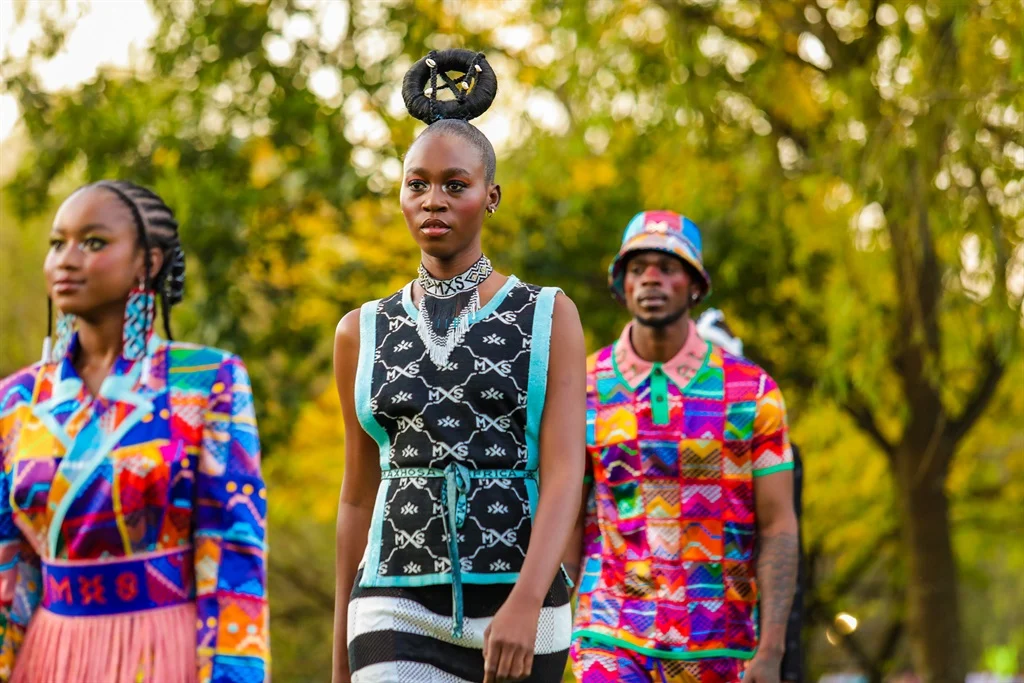
“South African Fashion Week Spring/Summer 2026 launched with a strong emphasis on sustainability, ethical practices, and the empowerment of new designers. The showcase highlighted recycled fabrics, heritage-inspired designs, and experimental techniques, positioning South Africa as a rising force in global sustainable fashion.”
South Africa’s fashion industry has entered a transformative era, with the Spring/Summer 2026 edition of South African Fashion Week (SAFW) serving as a pivotal moment in the global conversation on sustainability. Hosted in Johannesburg, the event was not merely a showcase of creativity but a declaration of intent: fashion must evolve to meet the environmental and social challenges of our time.
Sustainability in Focus
The SAFW organizers collaborated with local and international institutions to promote eco-friendly textiles, fair labor standards, and circular fashion models. This year’s edition was designed around the principle that fashion should not only inspire but also contribute positively to society and the planet.
Key highlights included:
- Recycled fabrics crafted into high-fashion silhouettes.
- Heritage-inspired designs that celebrated African culture while embracing modern sustainability.
- Experimental techniques such as plant-based dyes and biodegradable fibers.
Emerging Talent
A defining feature of SAFW 2026 was the empowerment of emerging designers. Young creatives were given platforms to present collections that merged innovation with responsibility. Their work demonstrated that sustainability is not a limitation but a catalyst for creativity.
Examples included:
- Designers using organic cotton and hemp to create breathable, eco-conscious garments.
- Collections that incorporated upcycled materials, turning discarded fabrics into couture-level pieces.
- Collaborations with local artisans, ensuring fair wages and community empowerment.
Global Influence
South Africa’s commitment to sustainability is resonating globally. SAFW 2026 attracted international attention, with fashion critics noting that the event’s emphasis on circular fashion models aligns with broader global trends. The showcase positioned Johannesburg as a hub for sustainable fashion innovation, comparable to Paris, Milan, and New York.
Cultural Identity Meets Sustainability
One of the most compelling aspects of SAFW was the integration of African heritage into sustainable design. Designers drew inspiration from traditional weaving techniques, beadwork, and indigenous textiles, merging them with modern eco-conscious practices. This fusion created collections that were both culturally rich and environmentally responsible.
Industry Collaboration
The event was supported by partnerships with universities, NGOs, and government institutions. These collaborations reinforced the message that sustainability in fashion requires collective effort across the value chain—from raw material sourcing to final garment production.
Consumer Awareness
SAFW also emphasized the role of consumers in driving sustainability. Workshops and panel discussions educated attendees on the importance of responsible consumption, encouraging buyers to support brands that prioritize ethical practices.
Challenges Ahead
Despite the progress, challenges remain. The South African fashion industry must continue to address issues such as:
- Scaling sustainable production without inflating costs.
- Ensuring accessibility of eco-fashion to broader demographics.
- Competing with fast fashion imports that undermine local sustainable initiatives.
Conclusion
South African Fashion Week Spring/Summer 2026 has set a new benchmark for the industry. By placing sustainability at the heart of its vision, the event demonstrated that fashion can be both beautiful and responsible. As South Africa continues to rise as a global leader in sustainable fashion, the message is clear: the future of fashion is ethical, inclusive, and eco-conscious.



