




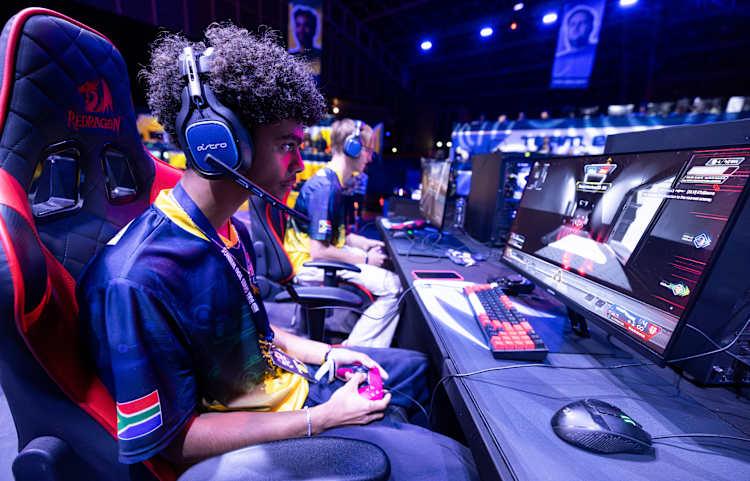
Mind Sports South Africa approved supplementary national-team trials for Counter-Strike 2 Women and Dota 2 to help eligible players compete for national selection ahead of the 2026 World Esports Championship in Indonesia. The decision highlights the importance of transparent selection procedures, opportunities for women in competitive gaming, and continued development of South Africa’s organised esports sector.”
South Africa’s esports ambitions gather momentum ahead of international competition
South Africa’s competitive gaming industry is entering an important preparation period as players, tournament organisers and governing bodies work to strengthen the country’s participation in international esports. A significant recent development is Mind Sports South Africa’s decision to arrange supplementary national-team trials for Counter-Strike 2 Women and Dota 2 ahead of the International Esports Federation’s World Esports Championship 2026.
The announcement, published by MSSA on 7 October 2026, addressed the need to provide eligible competitors with an opportunity to seek selection for international competition. The trials were scheduled online for 10 October, with 11 October reserved as a contingency day if matches required additional time.
The decision matters because international esports participation depends on more than individual ability. Athletes must qualify through recognised processes, compete under established rules and meet eligibility requirements. For a country seeking to develop its reputation in competitive gaming, the quality and transparency of those processes are essential.
Supplementary trials create another selection opportunity
According to MSSA, the supplementary trials were approved following consideration of the circumstances surrounding the national-team trials held on 25 July 2026 and the need to ensure that South Africa could enter teams for the upcoming international championship.
The additional process covered two titles: Counter-Strike 2 Women and Dota 2. Both provide different competitive challenges, requiring players to demonstrate technical skill, strategic thinking, teamwork and the ability to perform under pressure.
Counter-Strike 2 is a tactical first-person shooter in which teams coordinate attacks, defensive positions, equipment purchases and map control. Dota 2, meanwhile, is a multiplayer online battle arena game that requires teams to select complementary heroes, manage resources, control objectives and coordinate complex engagements.
Although the games have different formats, both reward preparation, communication and disciplined decision-making. Consequently, national-team trials provide an opportunity to assess more than individual mechanical ability.
MSSA explained that the supplementary process was open to eligible affiliated members who had qualified during the specified period from 1 July 2025 to 1 September 2026. For the women’s Counter-Strike 2 category, the organisation outlined eligibility requirements relating to participation, placings and registration through an affiliated member.
The organisation also clarified that the decision concerned eligibility and the selection process, rather than constituting a finding of misconduct against any player, team or club.
Why the World Esports Championship matters
The World Esports Championship is an important international competition because it provides national representatives with an opportunity to compete against players from other countries. MSSA identified Indonesia as the host country for the 2026 championship, scheduled for 15–20 December.
For South African competitors, participation would offer valuable experience against international opposition and an opportunity to demonstrate the standard of local esports. International competition can also reveal areas in which players need to improve, including tactical preparation, communication, consistency and performance under pressure.
However, national representation requires careful preparation. Players must understand the competition rules, practise strategies suited to international opponents and develop the ability to adapt when matches do not follow their preferred plans.
In team-based games, these demands become even more pronounced. A technically gifted player may struggle if communication breaks down or teammates cannot coordinate their decisions. Conversely, a well-prepared team can overcome individually stronger opponents through effective teamwork and tactical discipline.
This makes the selection process a critical stage in the broader journey towards international competition.
Opportunities for women in competitive gaming
The inclusion of Counter-Strike 2 Women in the supplementary trials is another important aspect of the announcement.
Women have historically faced barriers to participation and recognition across parts of the gaming industry. These can include limited access to competitive opportunities, online harassment, insufficient visibility and difficulties finding teams that provide structured training.
Providing a recognised route towards national-team selection can help eligible women pursue competitive ambitions within an established framework. It also communicates that women’s esports deserves serious attention as part of the country’s wider sporting development.
Nevertheless, a single trial process cannot resolve every challenge facing women in gaming. Long-term progress depends on sustained competition, accessible training, supportive team environments, fair administration and opportunities to advance beyond domestic tournaments.
Organisers, clubs and sponsors can contribute by promoting respectful participation, supporting emerging players and ensuring that selection opportunities are communicated clearly.
MSSA states on its official website that inclusive participation and the representation of female competitors at international esports competitions form part of its organisational identity. The supplementary trials provide a practical example of how access to national-team pathways can support that objective.
Domestic tournaments remain essential to development
South Africa’s international ambitions also depend on the strength of its domestic esports ecosystem. Players need regular competition to improve their skills, test strategies and gain experience before facing international opponents.
Recent activity illustrates the range of opportunities available. Esports Central reported that Mettlestate scheduled five Cash Cups between 12 and 18 October, featuring Marvel Rivals, eFootball, Call of Duty: Mobile, Tekken 8 and Mobile Legends: Bang Bang. The events offered different competition formats, including individual contests, duos and team-based matches.
Such competitions can serve as entry points for developing players who want to understand organised esports. They also allow experienced competitors to maintain match readiness and practise against different opponents.
At the same time, community tournaments help build audiences. Spectators who follow local competitions may become supporters of teams, streamers and individual players. Over time, that interest can create opportunities for tournament sponsorship, broadcasting, merchandise and other commercial activities.
For the industry to grow sustainably, however, competitions need reliable administration, clear rules, suitable technology and consistent communication. Players should know when registration opens, how qualification works, what prizes are available and which requirements apply.
The connection between local competition and national-team preparation is therefore important. A broad domestic scene gives selectors a larger pool of competitors, while structured national representation can encourage players to take their training more seriously.
Technology, infrastructure and access
Esports depends on technology in ways that differ from many traditional sports. Reliable internet connections, capable computers or consoles, suitable peripherals and stable competition platforms all influence the player experience.
For online trials, organisers must also consider connectivity interruptions, equipment differences and the ability to verify results. Fair competition requires procedures that allow participants to compete under consistent rules, while disputes must be handled through clearly communicated processes.
Access remains a challenge for players who cannot afford high-performance equipment or reliable connectivity. Community gaming facilities, affordable tournaments and partnerships with schools or universities could help reduce these barriers.
South African cities are also exploring ways to make gaming more accessible. MyBroadband reported in April 2026 that the City of Cape Town had sought information from industry providers about delivering local-area-network gaming and esports tournaments at public facilities. The proposal highlighted community participation, accessibility and the potential use of public venues.
Initiatives of this kind could complement organised competition by giving players places to practise and participate without needing to own every piece of gaming equipment. Their long-term value would depend on implementation, affordability and sustained community demand.
Building a sustainable esports economy
Competitive gaming can create economic opportunities beyond professional playing. Tournament organisers, commentators, coaches, video editors, broadcasters, event technicians and community managers all contribute to the industry.
However, turning enthusiasm into sustainable careers requires more than occasional tournaments. Players need development pathways, organisations need dependable funding, and sponsors need evidence that their investment reaches meaningful audiences.
Transparent prize structures, responsible sponsorship agreements and professional event management can help strengthen confidence in the sector. Organisers should also make realistic commitments about payments, competition schedules and player support.
South Africa’s domestic tournaments demonstrate that there is interest in competitive gaming across several titles. Yet participation numbers alone do not establish that every organisation or player can earn a sustainable income. Commercial development will require consistent audiences, credible measurement and long-term partnerships.
National-team participation can contribute to that process by increasing the visibility of local competitors. Strong international performances may attract attention to South African talent, although sponsorship and investment are never guaranteed.
What happens next?
The supplementary trials were scheduled for 10 October, with 11 October available if additional matches were needed. The World Esports Championship was scheduled for 15–20 December 2026 in Indonesia.
As of 19 October, the available sources reviewed for this article did not establish the final outcome of the supplementary trials or confirm the complete selected squads. Those details should therefore be checked against subsequent official MSSA announcements rather than assumed.
The next important developments will include confirmation of selections, further preparation by successful competitors and any official information about South Africa’s participation in the December championship.
For players who did not qualify, the domestic tournament calendar still offers opportunities to improve. Reviewing match performances, practising team coordination and entering suitable competitions can help athletes prepare for future selection opportunities.
Conclusion: A significant step for South African esports
Mind Sports South Africa’s supplementary national-team trials represent a meaningful recent development in South Africa’s esports landscape. By providing eligible competitors with another opportunity to seek selection for Counter-Strike 2 Women and Dota 2, the organisation addressed a practical challenge in preparing national representatives for international competition.
The broader significance extends beyond two games. Transparent selection procedures, inclusive participation, regular domestic tournaments and accessible infrastructure all contribute to a healthier competitive gaming ecosystem.
South Africa’s progress will ultimately depend on consistent development rather than a single announcement. Players need meaningful competition, organisers need sustainable operating models, and governing bodies need clear procedures that maintain confidence in national representation.
With the World Esports Championship scheduled for December, the coming weeks are important for confirming selections and assessing the country’s preparations. The results will help determine how South African competitors approach the international challenge, while the wider esports community continues working to create more opportunities for the next generation of players.
For now, the supplementary trials stand as a clear reminder that successful esports development requires talent, organisation, fairness and sustained investment working together.



