




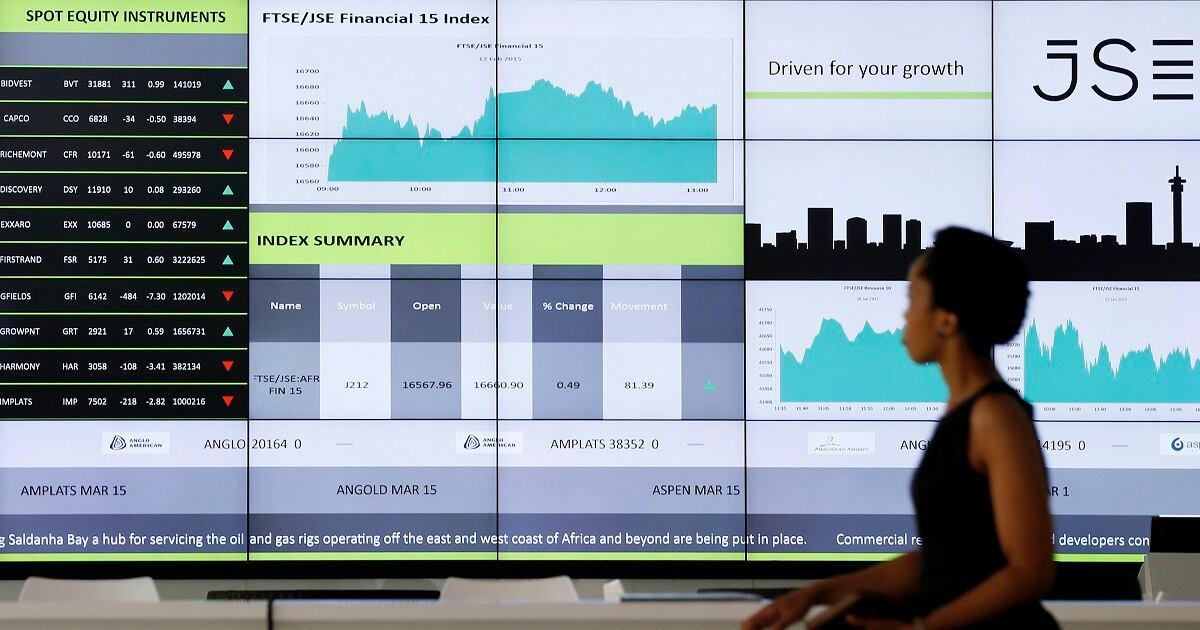
“South Africa’s rand traded relatively steadily against the US dollar on Thursday as investors awaited domestic producer inflation figures for indications of the direction of inflation and interest rates. Stronger-than-expected US inflation figures also influenced market sentiment, with investors monitoring the Federal Reserve’s upcoming monetary policy meeting and its potential impact on emerging-market currencies and financial assets.”
South African Rand Holds Steady as Producer Inflation and US Federal Reserve Decisions Shape Market Sentiment
Introduction
South Africa’s financial markets are closely monitoring developments in domestic inflation, international monetary policy and currency movements as investors assess the economic outlook for the country. On Thursday, 26 November 2026, the South African rand traded relatively steadily against the US dollar as market participants awaited the release of October producer price inflation figures from Statistics South Africa.
The currency’s performance comes at a time when international financial markets are responding to stronger-than-expected inflation figures from the United States. These developments have renewed expectations that the Federal Reserve could continue increasing interest rates into early 2027, potentially influencing international investment flows and the performance of emerging-market currencies.
The latest market developments are particularly important for South Africa because the rand is sensitive to international economic conditions, commodity prices, interest rate expectations and domestic economic performance. Investors are therefore examining both local inflation indicators and international monetary policy signals when making investment decisions.
1. Rand maintains stability against the US dollar
The South African rand remained relatively unchanged during early trading on Thursday. According to Reuters, the currency traded at approximately R17.5550 against the US dollar at 05:52 GMT, representing little movement from its previous closing level.
Although the rand’s stability provided some reassurance to currency traders, investors remained cautious ahead of the publication of domestic producer inflation figures.
Currency movements are important because South Africa depends on international trade for many essential products, including machinery, fuel, chemicals, technology equipment and industrial inputs.
Consequently, significant movements in the rand can influence the cost of imported goods and services. A weaker currency generally makes imported products more expensive, potentially increasing operating costs for businesses and contributing to inflationary pressure.
Conversely, a stronger rand can reduce the local-currency cost of imports, helping businesses manage expenses and potentially reducing pressure on consumers.
However, currency stability does not necessarily indicate that the wider economy is improving. Investors must also consider the reasons behind exchange-rate movements, including interest rate expectations, international capital flows and economic confidence.
For South Africa, maintaining confidence in the rand is particularly important because currency volatility can influence investment decisions across several sectors.
2. Producer inflation becomes a major market indicator
The main domestic economic development attracting investor attention is the October producer price inflation report scheduled for release by Statistics South Africa.
Reuters reported that economists surveyed by the news agency expected producer inflation to reach 7.6% in October, compared with 6.2% in September and 5.0% in August.
These figures highlight the importance of monitoring inflation at the production level.
Producer price inflation measures changes in the prices received by producers for their goods and services. It provides an indication of the cost pressures affecting businesses before some of those pressures potentially reach consumers.
When manufacturers face increasing production costs, they may respond by raising selling prices, reducing profit margins or adjusting production levels.
For example, companies operating in manufacturing, mining, food processing and construction can experience increased expenses when energy, fuel, transportation and industrial materials become more expensive.
If these increases continue, businesses may eventually transfer some of the additional costs to customers.
This is why investors closely monitor producer inflation. It provides useful information about the potential direction of business profitability, consumer inflation and monetary policy.
The expected 7.6% figure should, however, be treated as an analyst forecast rather than a confirmed October result. The market’s reaction will depend partly on the actual published figures and how they compare with expectations.
3. Stronger US inflation influences emerging markets
International developments are also playing an important role in determining South Africa’s financial market direction.
Stronger-than-expected US inflation figures have renewed expectations that the Federal Reserve could maintain a restrictive monetary policy for longer.
The Federal Reserve is responsible for determining monetary policy in the United States. Its decisions influence borrowing costs, international investment flows and the relative attractiveness of financial assets across different countries.
When US inflation remains elevated, investors may expect the Federal Reserve to increase interest rates to control price pressures.
Higher American interest rates can make US government bonds and other dollar-denominated investments more attractive.
Consequently, international investors may redirect capital towards the United States, potentially reducing investment flows into emerging markets.
South Africa can be affected by these developments because its financial markets depend partly on international investors participating in government bond markets, equities and other investment opportunities.
A stronger US dollar can also place pressure on the rand and other emerging-market currencies.
For this reason, South African investors are monitoring American inflation statistics and Federal Reserve policy announcements alongside domestic economic indicators.
The relationship demonstrates how decisions taken by major international central banks can influence financial conditions in countries thousands of kilometres away.
4. South African government bonds remain under observation
The domestic bond market is another important area attracting investor attention.
According to Reuters, South Africa’s benchmark 2035 government bond was relatively unchanged during early trading on Thursday, with its yield standing at approximately 8.74%.
Government bonds are important because they provide a mechanism through which governments raise money to finance public expenditure.
Investors purchase these securities in exchange for interest payments and the repayment of the principal amount under the applicable bond terms.
Bond yields reflect several considerations, including inflation expectations, government borrowing requirements, monetary policy and perceptions of sovereign credit risk.
When investors become concerned about inflation or government finances, they may demand higher yields to compensate for the additional risks.
Higher government borrowing costs can create pressure on public finances because future debt issuance may become more expensive.
However, stable bond yields can indicate that investors are maintaining relatively balanced expectations about the economic and fiscal environment.
South Africa’s bond market is therefore particularly sensitive to domestic economic developments and international interest rate movements.
If US Treasury yields increase significantly, South African government bonds may need to offer more attractive returns to compete for international investment.
This relationship makes international bond market developments important for understanding South Africa’s domestic financial environment.
5. Implications for the Johannesburg Stock Exchange
The developments surrounding the rand, producer inflation and international interest rates also have implications for the Johannesburg Stock Exchange.
The JSE is South Africa’s principal securities exchange and provides a platform for trading shares, bonds, exchange-traded products and other financial instruments.
Companies listed on the exchange operate across industries including mining, banking, telecommunications, retail, manufacturing, healthcare and technology.
Their performance is influenced by different economic factors.
For mining companies, international commodity prices, production costs and exchange-rate movements can have a significant effect on revenue and profitability.
For retailers, inflation and consumer purchasing power are particularly important because higher household expenses can reduce spending on non-essential products.
Banks are influenced by interest rates, credit demand, loan repayments and the overall economic environment.
Manufacturing companies must also manage the cost of imported equipment, raw materials, energy and transportation.
A weaker rand can benefit certain exporters because foreign-currency earnings may translate into more rand when converted locally. Nevertheless, companies that depend heavily on imported inputs can face increased expenses.
Investors therefore need to evaluate individual companies rather than assuming that every listed business will respond to currency movements in the same way.
The latest developments reinforce the importance of monitoring economic indicators when assessing the performance of the South African equity market.
6. Inflation presents challenges for businesses and consumers
Rising producer inflation can have consequences extending beyond financial markets.
Manufacturers and other businesses must manage the possibility of increasing operating costs while maintaining competitive prices.
When production expenses rise faster than selling prices, profit margins can become narrower.
Smaller businesses may be particularly vulnerable because they often have less financial flexibility and weaker negotiating power with suppliers.
Some companies may respond by improving operational efficiency, negotiating new supplier agreements or investing in technology that reduces production expenses.
Others may increase product prices to protect their margins.
However, transferring additional costs to customers can be difficult in an environment where households are already facing pressure from living expenses.
For consumers, higher production costs can eventually contribute to more expensive goods and services.
Food products, manufactured goods, construction materials and household essentials may become more expensive if businesses pass increasing input costs through supply chains.
Nevertheless, the relationship between producer and consumer inflation is not automatic. Businesses may absorb some increases, and different industries experience different pricing conditions.
Investors therefore need to distinguish between temporary cost increases and persistent inflationary pressures.
7. What investors should monitor next
Several developments will remain important for South African financial markets during the coming days and weeks.
First, investors will examine the October producer inflation figures to determine whether the acceleration in factory-gate prices is continuing.
A result above the expected 7.6% could increase concerns about inflationary pressure, particularly if the increase reflects widespread cost increases across industrial sectors.
A lower-than-expected result could provide some reassurance, although investors would still need to examine the underlying components.
Second, attention will remain focused on the Federal Reserve.
Any indication that American interest rates could rise further may influence international currency markets and capital movements.
Third, investors will continue monitoring the rand.
A sustained improvement could provide some relief to import-dependent businesses, while renewed weakness could increase concerns about imported inflation.
Fourth, government bond yields will remain important because they provide an indication of investor confidence and borrowing costs.
Finally, the JSE’s performance will offer additional information about how investors are responding to economic developments and company-specific opportunities.
8. Outlook for South Africa’s financial markets
South Africa’s financial market outlook remains influenced by a combination of domestic and international developments.
The relatively stable rand observed during early trading on 26 November offers a temporary indication of currency resilience. However, investors remain cautious because stronger US inflation and expectations of further monetary tightening could influence international capital flows.
At home, the anticipated producer inflation figures are particularly important because they may provide additional information about the direction of business costs.
If producer inflation continues accelerating, the Reserve Bank may need to consider the implications for the wider inflation outlook when assessing monetary policy.
Nevertheless, monetary policy decisions depend on a broader range of indicators, including consumer inflation, inflation expectations, economic growth and developments in the labour market.
The South African economy also requires an environment that supports investment, production and employment.
Stable financial markets can help businesses access capital, attract investors and plan long-term operations. However, sustainable improvements in market performance ultimately depend on stronger economic fundamentals.
For investors, the most important consideration is understanding how different economic indicators interact.
Currency movements, inflation, interest rates, commodity prices and company earnings should be evaluated together rather than separately.
Conclusion
South Africa’s relatively stable rand on 26 November 2026 has placed domestic producer inflation and international monetary policy at the centre of financial market attention.
The anticipated October producer inflation release, combined with stronger US inflation figures, has created an important environment for currency traders, bond investors and participants in the Johannesburg Stock Exchange.
Although the rand’s early trading performance indicates limited immediate movement, the broader economic outlook remains dependent on inflation developments and international interest rate expectations.
For South African businesses, consumers and investors, these developments demonstrate the importance of monitoring economic conditions and preparing for possible changes in borrowing costs, production expenses and currency valuations.
The coming economic releases and Federal Reserve policy signals will be important in determining whether the relative stability observed in the rand can continue.



