




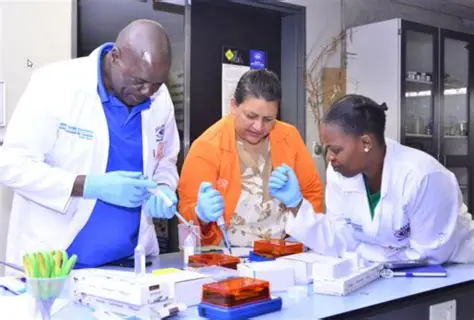
“Researchers in South Africa have successfully decoded two rye pollen molecules that exhibit strong tumor‑fighting properties, marking a turning point in biotechnology. The molecules enhance immune pathways and synergize with existing immunotherapies, potentially revolutionizing cancer treatment worldwide.”
On July 16, 2026, South African scientists announced a groundbreaking discovery: the decoding of rye pollen molecules with potent anti‑tumor activity. This achievement not only validates decades of speculation but also elevates South Africa’s global standing in biotechnology and cancer research.
Background: The Rye Pollen Puzzle
- First identified in the 1990s, rye pollen molecules intrigued researchers with hints of anti‑tumor activity.
- Early experiments suggested immune stimulation, but reproducibility was inconsistent.
- For decades, these compounds remained curiosities rather than clinical candidates.
The breakthrough came through genomic sequencing, proteomics, and molecular modeling, which unraveled the molecules’ structure and function.
The Breakthrough
- The decoded molecules interact with specific immune pathways, enhancing the body’s ability to recognize and destroy cancer cells.
- They act synergistically with existing checkpoint inhibitor immunotherapies, potentially boosting effectiveness for patients with limited response.
- This synergy could transform treatment outcomes in immuno‑oncology, a field already reshaping cancer care globally.
Implications for Cancer Research
- Novel Therapeutic Pathways: Templates for new drugs targeting immune modulation.
- Synergy with Immunotherapy: Improved patient outcomes when combined with checkpoint inhibitors.
- Global Impact: Elevates South Africa’s role in international biotechnology collaborations.
Economic and Industrial Impact
The discovery is expected to stimulate South Africa’s biotech sector:
- Investment Attraction: Companies such as Biovac and Cape Bio Pharms may integrate this research into their pipelines.
- Job Creation: Expansion of biotech labs and clinical trial facilities.
- Economic Growth: Strengthening South Africa’s reputation as a biotechnology hub.
Ethical and Regulatory Considerations
- Rigorous clinical trials will be required to ensure safety and efficacy.
- Ethical oversight will safeguard patient welfare.
- Regulatory frameworks, guided by South Africa’s Medicines Control Council, must adapt to accommodate biotechnological innovations.
Expert Opinions
- Dr. Thandiwe Mokoena, a leading oncologist, described the discovery as “a turning point in immuno‑oncology.”
- International experts have praised South Africa’s leadership in advancing cancer research.
Broader Context in African Biotechnology
This breakthrough aligns with Africa’s growing role in genomics and biotechnology:
- Initiatives like community‑led benefit sharing and exosome‑based drug delivery are reshaping ethical and scientific landscapes.
- South Africa’s success demonstrates how African nations can lead in cutting‑edge biomedical innovation.
Future Outlook
- Clinical Trials: Expected to begin within the next two years.
- Global Partnerships: Collaborations with European and American cancer research institutes.
- Educational Impact: Integration into doctoral training programs, such as the Presidential PhD Hub in Advanced Biotechnology at Rhodes University.



