




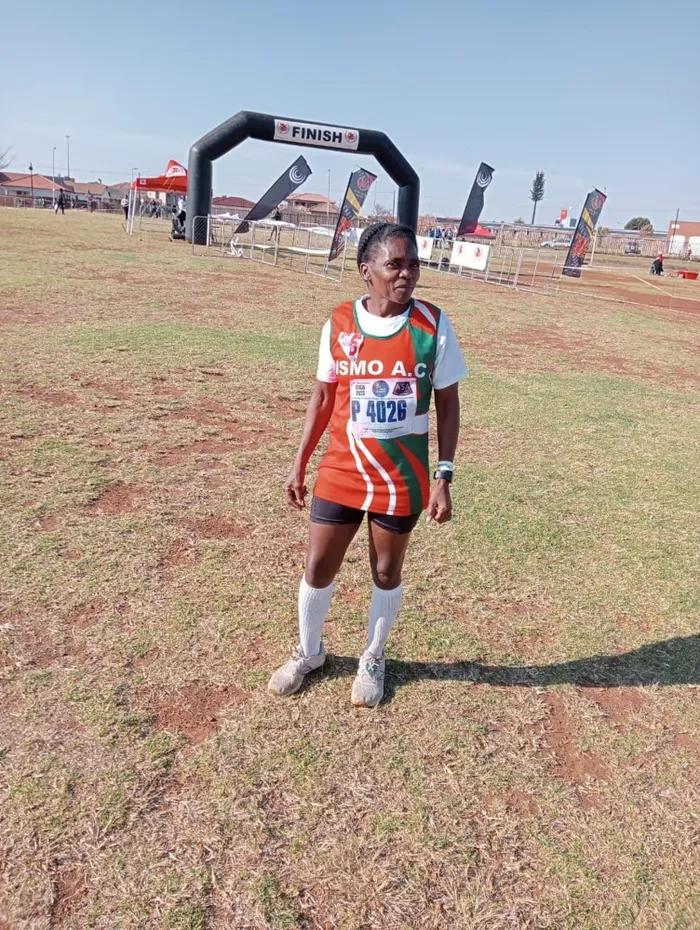
South African women runners are changing how, where and when they train after the killing of fellow runner Elizabeth “Tsontso” Moselakgomo and a series of women’s deaths in the Johannesburg East Rand, prompting renewed concerns about safety in everyday running. Runners have described carrying safety equipment, avoiding isolated routes, sharing live locations and choosing enclosed training spaces, while Athletics South Africa and running communities have mourned Moselakgomo and called attention to the wider challenges facing women in the sport.”
South African Athletics Community Confronts Growing Safety Concerns
South African athletics is facing an issue far removed from race times, medals and championship results, as women runners across the country reconsider the conditions under which they train. The latest development, reported on 27 September, comes after the death of Elizabeth “Tsontso” Moselakgomo, a 38-year-old runner whose disappearance after leaving home for a run in September was followed by the discovery of her body in the Kempton Park area. Her death has had a significant effect on members of the running community and has prompted some women to change established training routines.
The story has become one of the most significant current athletics-related developments affecting South African runners because it concerns not only competitive performance but also participation in the sport itself. Running is widely accessible and takes place on roads, paths, parks and other public spaces. For many athletes, especially recreational and road runners, being able to train safely is an essential part of maintaining a regular sporting routine.
Moselakgomo’s death has therefore resonated beyond her own running club. Athletics South Africa published a tribute following the confirmation of her death, describing the loss as tragic. The organisation identified her as Elizabeth “Tsontso” Mokolo Moselakgomo and noted that her body had been positively identified by her family following her disappearance after she went out for an afternoon run.
Runners Change Their Training Habits
The latest reports describe how women runners have responded by making practical changes to their routines. Nancy Masha, a runner who knew Moselakgomo through the running community, told AFP that she began carrying pepper spray and a knife after Moselakgomo’s death. She said the incident had affected her deeply but that she did not intend to stop running.
Other runners have taken different approaches. Some have reduced the frequency of outdoor running, while others have chosen enclosed sporting facilities or avoided isolated routes. Some runners have also started sharing their live locations with relatives or friends before leaving home.
These responses demonstrate how concerns about personal safety can affect participation in athletics even when athletes remain committed to the sport. For runners, route selection, training times and whether they exercise alone have traditionally been matters of convenience and preparation. The current situation has made safety a much more prominent consideration.
Chulumanco Mahamba, another runner quoted in the report, said she had reduced her walks and now avoids secluded routes. She also shares her location and details about her clothing before leaving home. Meanwhile, other runners have questioned whether carrying weapons is appropriate or safe without training in how to use them.
This highlights that there is no single response among athletes. Some runners have adopted additional personal-safety measures, while others have chosen to modify locations, run with other people or move their training indoors.
The Death of Elizabeth Moselakgomo
Moselakgomo’s death has become particularly significant within the athletics community because she was herself an active runner. According to reports, she left her home on 9 September to go running and did not return. Her body was subsequently found in the Kempton Park area. The circumstances surrounding her death remain part of a police investigation.
Athletics South Africa included her death among its September news announcements, alongside reports about South African performances at international competitions. The federation’s news page also shows that September has been an active month for the country’s athletics programme, including the World Athletics Road Running Championships, the World Athletics Ultimate Championship and domestic road-running competitions.
That contrast is notable. South African athletes have been producing national records and competing internationally, while at grassroots level some runners are simultaneously dealing with concerns about whether they can safely train.
At the World Athletics Road Running Championships earlier in September, South African athletes delivered several notable performances. Athletics South Africa reported that Tayla Kavanagh broke the national women’s 5km record with a time of 14:51 and finished fourth, only one second away from the bronze medal.
Glenrose Xaba has also remained a prominent figure in South African road running. On 26 September, she won the SPAR Women’s 10km Grand Prix race in Gqeberha in 31:17, finishing only five seconds outside the South African 10km record she had established two years earlier.
These performances underline the depth of South African road running, but the safety concerns affecting ordinary runners have added another dimension to the sport.
Impact Beyond Johannesburg
Although the incidents have been concentrated in and around Johannesburg’s East Rand, the response has spread to running communities elsewhere in South Africa. The latest report says women in Cape Town and other areas have also reconsidered aspects of their routines following the killings.
Running clubs have organised solidarity activities in memory of Moselakgomo, while runners have used the sport itself as a way of expressing support for victims and concern about safety.
For athletics clubs, the situation may encourage greater attention to group training, route planning and communication between runners. Clubs can also provide runners with information about organised sessions and safer training environments. These measures do not replace the responsibility of law-enforcement authorities to investigate crimes, but they illustrate how sporting communities can respond collectively.
The situation also raises questions about accessibility. If runners feel unable to use public roads, parks or trails alone, some may have fewer opportunities to exercise, particularly where enclosed sporting facilities are unavailable or expensive. This can have implications for recreational athletes as well as people preparing for competitive races.
Athletics Continues Despite the Concerns
Despite the anxiety, South African athletics remains active. Athletics South Africa’s calendar lists the SPAR Women’s Grand Prix Series event in Gqeberha for 27 September, while other national and international competitions continue through the season.
The challenge for the athletics community is therefore twofold: supporting athletes pursuing sporting ambitions while recognising the concerns that can affect their ability to participate.
The death of Moselakgomo has placed the everyday experiences of women runners firmly in the national conversation. Her story has also shown how closely competitive and recreational athletics are connected. A runner does not have to be an international champion for safety to be fundamental to their participation in the sport.
South African runners have continued to train, compete and support one another, but many are doing so with greater awareness of their surroundings. For some, that means running in groups. For others, it means choosing familiar routes, informing family members of their movements or using controlled training environments.
The athletics community’s response demonstrates the importance of solidarity when athletes face challenges outside competition. As investigations into the deaths continue, runners and sporting organisations will be watching developments closely.
For South African athletics, the immediate issue is not simply how quickly athletes can run or how many medals they can win. It is also whether runners—particularly women—can participate in the sport without having to choose between their passion for running and concerns about personal safety.



