




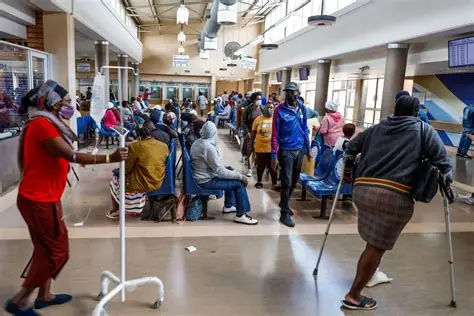
“South Africa has launched its 2026–2027 Annual Performance Plan, allocating R64.8 billion to healthcare reform with priorities including the rollout of Lenacapavir for HIV prevention, intensified HPV vaccination and screening to eliminate cervical cancer, and major infrastructure upgrades. The plan represents a decisive step toward universal health coverage and equitable access to care.”
South Africa’s healthcare system stands at a pivotal juncture in 2026. With the release of the 2026–2027 Annual Performance Plan and a R64.8 billion health budget, the Department of Health has signaled its strongest commitment yet to tackling entrenched public health challenges while laying the foundation for universal health coverage (UHC). The plan is not merely administrative; it is a roadmap for transforming healthcare delivery, addressing inequities, and preparing the system for the eventual rollout of National Health Insurance (NHI).
HIV Prevention: Lenacapavir Rollout
- Lenacapavir, a long-acting antiretroviral drug, is the centerpiece of South Africa’s HIV prevention strategy. Unlike daily oral regimens, Lenacapavir injections provide extended protection, reducing adherence challenges.
- Rollout begins in high-burden districts, targeting young people, rural communities, and marginalized groups.
- South Africa continues to carry one of the world’s highest HIV burdens, with millions living with the virus. The introduction of Lenacapavir builds on earlier successes with oral PrEP, scaled nationally by 2021.
- Health Minister Aaron Motsoaledi emphasized that this innovation positions South Africa to “eliminate HIV/AIDS as a public health threat.”
Cervical Cancer Elimination Strategy
- The plan sets a 2030 target to eliminate cervical cancer, aiming for fewer than 4 cases per 100,000 women.
- Strategy aligns with WHO’s 90-70-90 targets:
- 90% HPV vaccination coverage for girls under 15
- 70% screening coverage using high-performance tests
- 90% treatment coverage for identified cases
- Campaigns are intensifying in underserved areas, ensuring prevention and treatment are accessible regardless of socioeconomic status.
- This dual approach—vaccination and screening—represents a landmark effort to reduce one of the most preventable cancers among women.
Infrastructure Development
- A significant portion of the R64.8 billion budget is earmarked for hospital infrastructure upgrades.
- Projects include:
- Upgrading district hospitals in rural provinces
- Expanding teaching hospitals to improve medical training
- Modernizing equipment and facilities to reduce overcrowding
- The government has submitted 11 bids for projects valued at over R1 billion under the Budget Facility for Infrastructure.
- These upgrades are crucial for addressing long-standing issues such as overcrowding, outdated equipment, and poor service delivery in public hospitals.
Implications for Universal Health Coverage
- The reforms are closely tied to the anticipated rollout of National Health Insurance (NHI).
- By strengthening infrastructure, expanding capacity, and modernizing facilities, the government aims to ensure equitable access to quality care.
- The plan represents a strategic investment not only in immediate health needs but also in preparing the system for long-term sustainability.
Risks and Challenges
- Funding sustainability: While R64.8 billion is a significant allocation, long-term financing remains a challenge.
- Implementation capacity: Ensuring that infrastructure projects are completed on time and within budget is critical.
- Equity concerns: Rollouts must prioritize rural and marginalized communities to avoid widening disparities.
- Public trust: Effective communication and transparency will be essential to build confidence in the reforms.
Conclusion
South Africa’s 2026–2027 Health Plan is a bold and comprehensive blueprint for healthcare reform. By combining innovative HIV prevention, cervical cancer elimination strategies, and infrastructure modernization, the government is laying the groundwork for a healthier, more equitable future. If successfully implemented, these reforms could redefine the trajectory of public health in South Africa, moving the nation closer to the long-sought goal of universal health coverage.



