




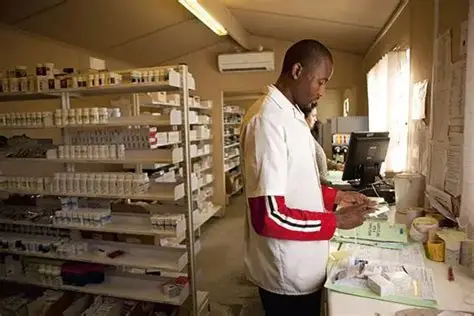
“The South African Department of Health announced that medical supplies at public health facilities remain stable, despite reports of shortages and changes in medicine appearance. Officials assured patients that all medicines dispensed are safe, effective, and interchangeable, with systems in place to monitor and address supply chain risks.”
On September 2, 2026, the South African Department of Health (DoH) issued a statement addressing growing public concerns about medicine availability in public healthcare facilities. Reports of patients receiving medicines that look different from their usual prescriptions, coupled with fears of shortages, had sparked anxiety among communities. The DoH clarified that while medicines may vary in appearance due to procurement from multiple approved suppliers, the active ingredients, strength, and therapeutic benefits remain consistent.
Background: Why Concerns Arose
- Patient confusion: Some patients reported receiving tablets or packaging that differed in color, shape, or branding.
- Perceived shortages: Occasional reports suggested certain medicines were “out of stock.”
- Supply chain challenges: Global disruptions, raw material shortages, and transport delays have occasionally affected procurement.
The DoH emphasized that these issues do not equate to a lack of treatment availability. Instead, healthcare professionals routinely dispense clinically appropriate alternatives to ensure continuity of care.
Assurance from the Department of Health
Deputy officials explained that:
- Procurement standards: Medicines are sourced only from suppliers meeting strict regulatory and quality standards.
- Interchangeability: Equivalent medicines may be dispensed when supply variations occur, ensuring uninterrupted treatment.
- Safety and efficacy: All medicines are approved, safe, effective, and interchangeable.
Patients were urged to consult doctors, pharmacists, or nurses if they had concerns about changes in their medication’s appearance.
Monitoring Systems in Place
The DoH highlighted several mechanisms to safeguard medicine availability:
- National Surveillance Centre: Tracks medicine supply across provinces.
- Stock Visibility System (SVS): A web-based digital tool providing early warnings of potential shortages.
- Collaboration with provinces and suppliers: Ensures rapid response to risks.
These systems allow the department to anticipate disruptions and implement corrective measures before patients are affected.
Global Context
South Africa’s challenges mirror those faced by many countries:
- Manufacturing disruptions due to global demand surges.
- Raw material shortages impacting pharmaceutical production.
- Transport delays affecting timely distribution.
Despite these pressures, South Africa’s proactive monitoring and procurement strategies have minimized patient impact compared to other nations.
Patient Experience and Public Trust
Public trust in the healthcare system hinges on transparency and reassurance. By addressing concerns directly, the DoH aims to:
- Prevent misinformation about medicine safety.
- Strengthen confidence in public healthcare facilities.
- Encourage patients to remain compliant with prescribed treatments.
Healthcare professionals play a critical role in explaining medicine changes to patients, ensuring they understand that therapeutic benefits remain unchanged.
Expert Commentary
Pharmacists and medical experts have welcomed the DoH’s statement, noting that:
- Medicine appearance changes are common when multiple suppliers are involved.
- Patients should focus on active ingredients rather than packaging.
- Clear communication between healthcare providers and patients is essential to avoid confusion.
Conclusion
The Department of Health’s reassurance underscores its commitment to maintaining safe, effective, and quality-assured medicines in South Africa’s public health system. While global supply chain challenges persist, robust monitoring systems and proactive procurement strategies ensure that patients continue to receive uninterrupted treatment. The message is clear: South Africans can trust their healthcare facilities to provide the medicines they need, even if they look different from before.



