




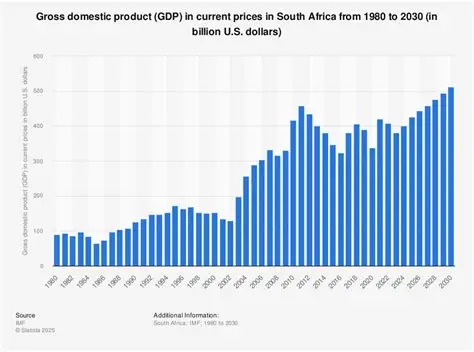
“5% in Q1 2026**, supported by strong performances in agriculture, finance, trade, transport, and mining, while manufacturing contracted. Household consumption rose slightly, but the overall pace of growth remains subdued, reflecting ongoing structural challenges.”
South Africa’s economy recorded a modest expansion of 0.5% in the first quarter of 2026, according to the latest data released by Statistics South Africa (Stats SA). This growth, while small, marks a continuation of the fragile recovery seen at the end of 2025, when GDP rose by 0.4%. The figures reveal both encouraging sectoral resilience and persistent weaknesses that continue to weigh on the country’s broader macroeconomic outlook.
Sectoral Contributions
The finance, real estate, and business services sector was the largest contributor to growth, expanding by 0.9% and adding 0.2 percentage points to overall GDP. Agriculture also performed strongly, benefiting from favorable weather conditions and improved export demand. The trade and transport sectors registered gains, reflecting increased consumer activity and logistical improvements. Mining, often volatile, contributed positively thanks to higher global commodity prices.
In contrast, manufacturing contracted, highlighting ongoing structural challenges in industrial competitiveness. Weak demand, rising input costs, and energy supply constraints continue to undermine the sector, which remains critical for job creation and export diversification.
Household Consumption and Demand-Side Trends
Household final consumption expenditure rose by 0.1%, contributing marginally to GDP growth. This increase reflects cautious consumer spending amid higher interest rates and inflationary pressures. The South African Reserve Bank’s recent decision to raise the repo rate to 10.5% has tightened credit conditions, limiting disposable income growth.
While consumption remains subdued, the motor vehicle industry has emerged as a bright spot. Vehicle sales grew by more than 12% year-on-year in early 2026, supported by cheaper imports from Southeast Asia and improved credit access. This sector’s resilience underscores the uneven nature of South Africa’s recovery, where certain industries outperform the broader economy.
Inflation, Monetary Policy, and Fiscal Outlook
Inflation rose from 3% to 4% between January and June 2026, driven largely by higher fuel costs linked to Middle East tensions. The Reserve Bank’s strict inflation targeting framework has limited policy flexibility, forcing households to absorb the burden of higher interest rates. Analysts warn that restrictive monetary policy may dampen growth further if global oil prices remain elevated.
On the fiscal side, progress has been made in stabilizing sovereign debt. Ratings agencies Fitch and Moody’s recently revised South Africa’s credit outlook positively, citing improved fiscal discipline and revenue collection. This development provides some relief to policymakers, though long-term sustainability depends on stronger growth and structural reforms.
Global Context and Risks
South Africa’s economy remains vulnerable to external shocks. The ongoing polycrisis—a combination of geopolitical conflict, climate change, and financial market instability—poses significant risks. Rising global temperatures and El Niño-related climate events threaten agricultural output, while volatility in commodity markets could undermine mining revenues.
Additionally, the rapid adoption of artificial intelligence technologies worldwide is reshaping labor markets, raising concerns about job displacement in South Africa’s already fragile employment landscape.
Outlook and Policy Implications
The 0.5% GDP growth in Q1 2026 reflects resilience in key sectors but underscores the need for structural reforms. Policymakers face the challenge of balancing inflation control with growth stimulation. Investment in infrastructure, energy stability, and industrial competitiveness will be critical to sustaining momentum.
While the economy is not in recession, the pace of growth is insufficient to address unemployment and inequality. Without decisive action, South Africa risks remaining trapped in a cycle of low growth and high vulnerability to external shocks.



