




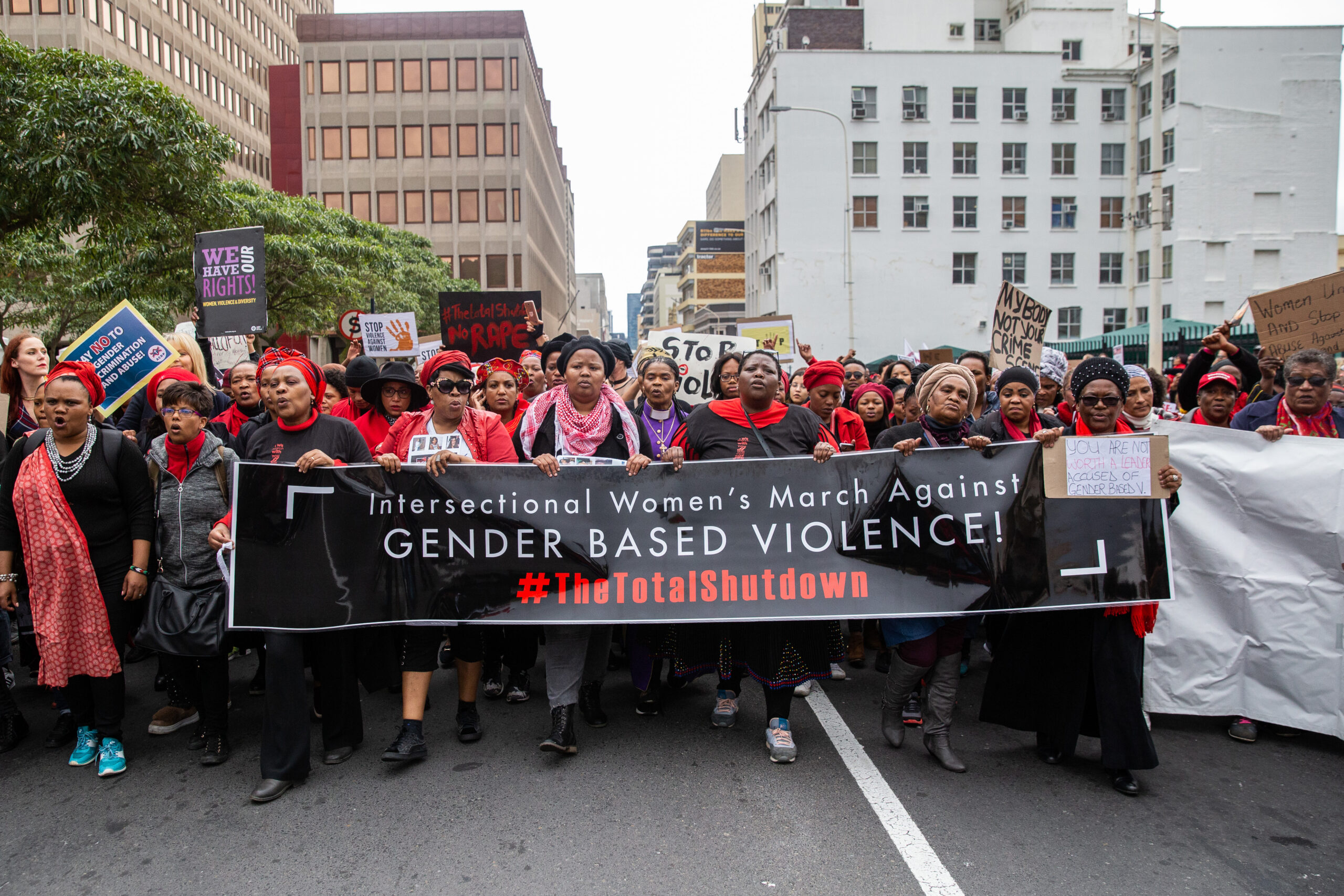
“Nine women have been found murdered in Gauteng Province over the past two months, igniting widespread protests across South Africa against gender-based violence and police inaction. Activists, civil society groups, and ordinary citizens are demanding urgent reforms, framing the crisis as a war against women and a test of the nation’s commitment to justice.”
South Africa is once again confronting the devastating reality of gender-based violence (GBV) as the discovery of nine murdered women in Gauteng Province has triggered a wave of activism, grief, and political pressure. The killings, spread across Ekurhuleni municipalities, have been described by rights groups as symptomatic of a broader femicide crisis that has plagued the country for decades. Activists argue that the government’s response has been inadequate, and communities are now mobilizing to demand accountability from law enforcement and policymakers.
The Tragedy Unfolds
The latest victim, a woman in her thirties, was found half-naked and wrapped in a sheet in Dawn Park, Boksburg, east of Johannesburg. Her death marked the ninth such case in less than two months. Police investigations remain inconclusive, with authorities unable to confirm whether the murders are linked or the work of multiple perpetrators. The uncertainty has only deepened public frustration, as many South Africans feel that the state is failing to protect women from systemic violence.
Activism on the Streets
Civil society organizations, including NotInMyName International, have mobilized marches across Gauteng Province, demanding stronger policing and accountability. Protesters argue that silence in the face of violence amounts to complicity, urging men to take an active role in dismantling toxic cultural norms. Demonstrations have been marked by powerful symbolism: women dressed in black, silent vigils, and placards declaring “Am I Next?”—a haunting reminder of the pervasive fear gripping communities.
Collective Mourning and Solidarity
The activism has extended beyond formal marches. Silent protests at landmarks such as the Castle of Good Hope in Cape Town have united citizens in grief. On social media, women are sharing raw testimonies of abuse, transforming private trauma into public resistance. TikTok videos of women declaring the ages at which they first endured violence—“I was 14,” “I was 6,” “Two weeks ago”—have gone viral, underscoring the generational depth of the crisis.
Political and Institutional Failures
Critics argue that the government has failed to prioritize GBV despite repeated promises. The National Shelter Movement of South Africa reports that shelters are overwhelmed with women fleeing abuse, often after protection orders have been violated. Activists highlight systemic failures: inadequate policing, slow investigations, and a culture of victim-blaming that forces women to curtail their freedoms rather than addressing perpetrators.
Voices of Resistance
Princess Eurika Mogane, commissioner at the Commission for Gender Equality, described the crisis as a war against women. “It feels like individuals are being hunted,” she said, emphasizing the need for urgent state intervention. Civil rights groups argue that the killings are not isolated incidents but part of a normalized pattern of violence deeply embedded in South African society.
The Broader Context
South Africa has one of the highest femicide rates in the world. According to police statistics, a woman is murdered every three hours in the country. Activists argue that this is not merely a criminal justice issue but a societal one, rooted in patriarchy, economic inequality, and cultural attitudes that perpetuate male dominance.
Calls for Reform
Protesters are demanding:
- Stronger police accountability and faster investigations.
- Increased funding for shelters and support services.
- Educational campaigns to challenge toxic masculinity.
- Legislative reforms to strengthen protection orders and sentencing for GBV-related crimes.
Conclusion
The femicide crisis has become a rallying point for activism under politics in South Africa. The discovery of nine murdered women has galvanized communities, forcing the nation to confront uncomfortable truths about gender, power, and justice. Whether the government responds with meaningful reforms remains to be seen, but activists have made it clear: silence is no longer an option.



