




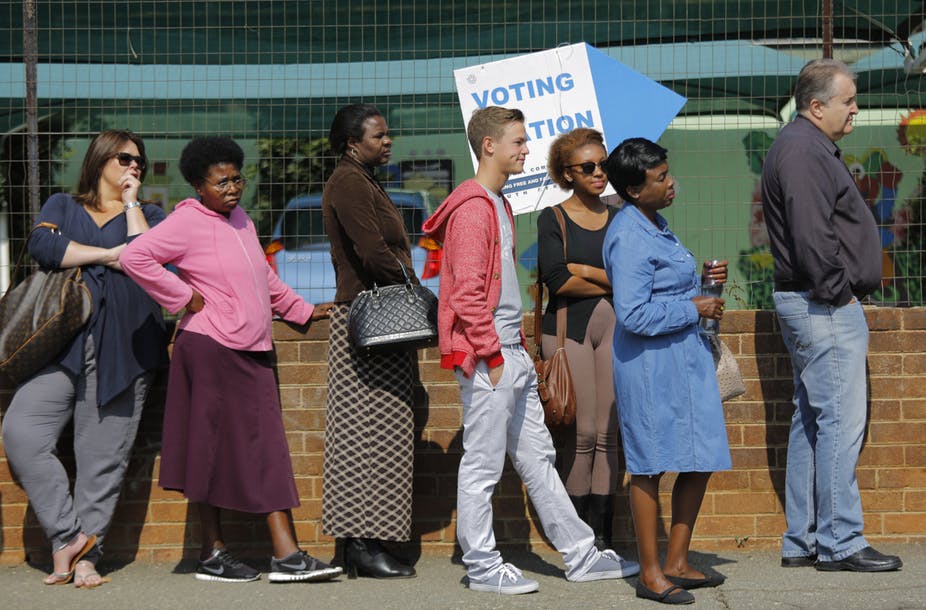
South Africa’s IEC reported a surge in participation during the final voter registration weekend, with more than 238,000 citizens updating their details before the 5 p.m. deadline. This momentum reflects growing civic engagement as the nation prepares for pivotal Local Government Elections following the ANC’s historic loss of majority power.”
South Africa’s political landscape is undergoing a profound transformation. Just weeks after the African National Congress (ANC) lost its parliamentary majority for the first time since 1994, the Independent Electoral Commission (IEC) has reported record participation in the final voter registration weekend ahead of the Local Government Elections. This surge in civic activity signals both heightened public awareness and a renewed appetite for accountability in governance.
Historical Context
For three decades, the ANC dominated South African politics, winning every national election with comfortable majorities. However, corruption scandals, service delivery failures, and economic stagnation steadily eroded public trust. The July 2026 elections marked a watershed moment: the ANC fell below 50% of the vote, compelling it to form a Government of National Unity (GNU) with the Democratic Alliance (DA).
This unprecedented coalition reshaped governance dynamics, introducing negotiation and compromise into policymaking. Against this backdrop, the IEC’s voter registration drive has taken on heightened significance, as citizens prepare to influence local governance structures that directly affect service delivery.
The Registration Drive
Chief Electoral Officer Sy Mamabolo urged citizens to seize the final opportunity to register or update their details before the 5 p.m. deadline. With 23,699 voting districts open nationwide, the IEC reported smooth operations, with 99% of stations opening promptly at 8 a.m.
By Saturday noon, over 238,000 interactions had been processed. Of these, 198,232 occurred at physical voting stations, while 20,078 were completed via the IEC’s online portal. KwaZulu-Natal led with 55,759 transactions, followed by the Eastern Cape (46,889) and Gauteng (41,774). This distribution reflects both population density and regional enthusiasm.
Digital Participation and Challenges
The IEC’s online voter registration service provided a convenient alternative, particularly for younger, tech-savvy citizens. However, technical challenges were reported, underscoring the need for robust digital infrastructure to support democratic processes. Despite these hurdles, the online system processed thousands of registrations, demonstrating its growing relevance in modern elections.
Political Implications
The surge in voter registration is more than a procedural milestone—it is a political statement. Following the ANC’s loss of majority, citizens appear more determined to exercise their democratic rights. The DA, now a central player in the GNU, has emphasized citizen-centered governance, pledging transparency and accountability.
Local Government Elections will test whether these promises resonate at the grassroots level. Municipalities, often plagued by service delivery failures, are where citizens most directly experience governance. Increased voter participation suggests communities are ready to demand better performance from elected officials.
Coalition Dynamics and Local Elections
The GNU, while stabilizing national politics, introduces complexities at the local level. Smaller parties such as the Economic Freedom Fighters (EFF) and regional movements hold critical leverage in coalition negotiations. Their influence could shape municipal governance, particularly in contested provinces like Gauteng and KwaZulu-Natal.
The IEC’s successful registration drive ensures that these dynamics will play out with broad citizen participation, enhancing the legitimacy of outcomes.
Civic Engagement and Democracy
The enthusiasm witnessed during the registration weekend reflects a broader trend of civic reawakening. Citizens are increasingly aware that their votes matter, particularly in shaping local governance. This engagement strengthens democratic institutions, ensuring accountability and transparency.
Mamabolo’s call to action resonated nationwide, reminding South Africans that democracy is not a spectator sport. The queues at voting stations symbolized a collective determination to influence the country’s trajectory.
Challenges Ahead
Despite the optimism, challenges remain. Coalition politics can breed instability if partners fail to align on key issues. Service delivery, corruption, and economic stagnation remain pressing concerns. The IEC must also address technical shortcomings in its digital systems to ensure inclusivity.
Nevertheless, the record turnout during the registration weekend demonstrates resilience in South Africa’s democratic fabric.
Conclusion
South Africa stands at a crossroads. The ANC’s loss of majority power has ushered in a new era of coalition politics, while citizens are seizing opportunities to shape governance at the local level. The IEC’s successful voter registration drive underscores this momentum, setting the stage for Local Government Elections that could redefine accountability and service delivery.
As queues formed across the country, one message became clear: South Africans are ready to reclaim ownership of their democracy.



