




“South African National Parks has introduced revised daily conservation fees from 1 November 2026, increasing entrance costs at major destinations including Kruger National Park, Addo Elephant National Park and Cape Point, with international visitors facing particularly significant increases. The changes will affect holiday budgets, safari packages and travel planning during the approaching summer tourism season, while conservation fees continue to contribute to the management and protection of South Africa’s natural heritage.”
South Africa’s National Park Entrance Fees Increase From 1 November 2026 as Tourism Destinations Prepare for the Summer Holiday Season
A new pricing structure takes effect
South Africa’s national parks have entered a new conservation-fee period, introducing revised entrance charges from Sunday, 1 November 2026. The changes affect some of the country’s most recognised wildlife, coastal and nature destinations, including Kruger National Park, Addo Elephant National Park, Kgalagadi Transfrontier Park and attractions within Table Mountain National Park.
The revised fee structure will remain applicable until 31 October 2027, according to information published by South African National Parks. Consequently, visitors planning domestic holidays, international safaris and multi-destination road trips must account for the updated entrance costs when preparing their travel budgets.
The development is particularly important because it coincides with the beginning of November, when South Africa moves towards its busy summer holiday period. Families, independent travellers, international tourists and tour operators will need to consider how the changes affect their preferred destinations.
Although the increases are relatively modest for many South African residents, international visitors face substantially higher charges at several major parks. This distinction makes the announcement particularly relevant to the country’s international tourism industry.
Kruger National Park remains a major focus
Among the destinations affected, Kruger National Park stands out because of its international reputation and importance to the country’s wildlife tourism industry.
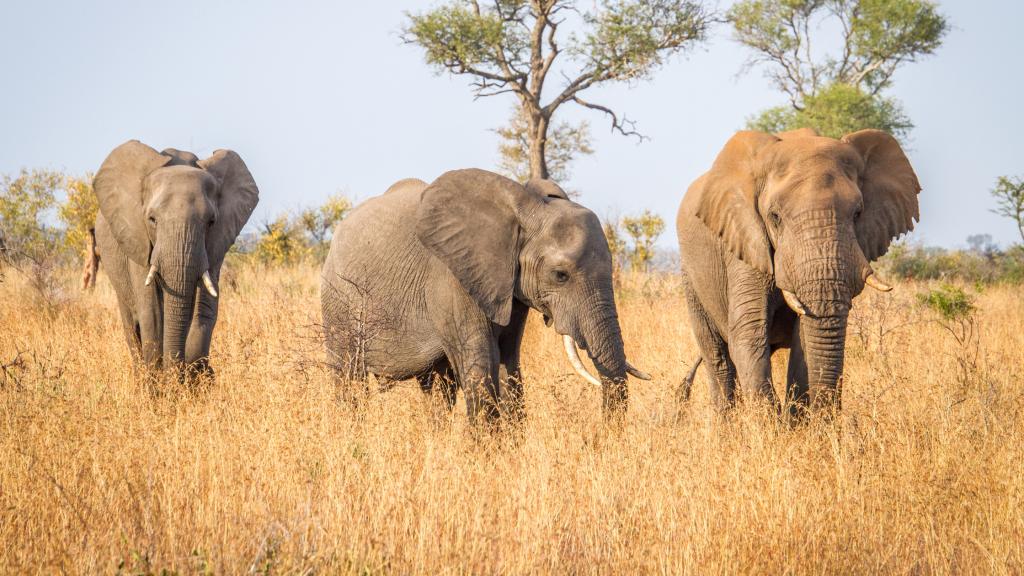
The park covers approximately two million hectares and offers visitors opportunities to experience a remarkable variety of wildlife, vegetation and landscapes. Its attractions include elephants, lions, leopards, rhinoceroses, buffaloes, giraffes, zebras and numerous bird species.
According to the updated fee information, South African adults will now pay R140 per day, compared with the previous R134. Children aged between two and eleven will pay R70.
International adult visitors face a more substantial adjustment, with the daily conservation fee increasing from R602 to R692. This represents an increase of approximately 15%.
SADC visitors also face a revised tariff. The adult daily rate increases from R275 to R296, although particular transfrontier arrangements can allow eligible nationals to qualify for the South African rate at specified parks.
These differences matter for visitors planning longer safari experiences. A traveller spending several days in Kruger must calculate the total entrance charges alongside accommodation, transport, meals, fuel and optional guided activities.
Nevertheless, Kruger remains an important destination for visitors seeking wildlife experiences. Its extensive road network, established rest camps and range of accommodation options allow travellers to organise independent self-drive holidays or participate in professionally guided safaris.
SANParks provides visitors with opportunities to explore the park using private vehicles, public rest camps and selected lodge accommodation.
Addo Elephant National Park faces revised visitor charges
Another important destination affected by the new pricing structure is Addo Elephant National Park.
Situated in the Eastern Cape, Addo is recognised for its elephant population and broader biodiversity. It attracts domestic and international visitors interested in wildlife photography, guided excursions, self-drive safaris and nature-based holidays.
The new daily conservation fee for South African adults increases from R110 to R115. International adult visitors will pay R565, compared with the previous R492.
These changes introduce additional costs for travellers incorporating Addo into longer Eastern Cape itineraries.
The park’s importance extends beyond elephant viewing. It contributes to the region’s tourism economy by attracting visitors who also explore nearby coastal attractions, accommodation establishments, restaurants and other tourism businesses.
For tour operators, the revised charges make accurate quotations increasingly important. Packages that include several days inside the park should clearly distinguish conservation fees from accommodation and other travel expenses.
Addo’s tourism offering also has a conservation dimension. Visitors support a protected natural environment through their participation in regulated tourism activities, while park management must maintain infrastructure, protect wildlife and manage visitor access.
Kgalagadi remains an important wilderness destination
The new fee structure also affects Kgalagadi Transfrontier Park.
Located in the Northern Cape and extending across the South African and Botswana border region, Kgalagadi offers a distinctive wilderness experience characterised by red sand dunes, open landscapes, dry riverbeds and remarkable wildlife.
Its appeal is different from that of the more densely vegetated safari destinations. Visitors are attracted by the expansive desert environment, dramatic scenery, birdlife and opportunities to observe animals adapted to arid conditions.
South African adult entrance fees increase from R129 to R134 per day. International adult visitors will pay R662, compared with R576 previously.
These adjustments are relevant to travellers planning extended self-drive journeys through the Northern Cape. The distances between destinations, fuel requirements and accommodation arrangements already require careful preparation.
Therefore, visitors should consider entrance fees as part of their overall travel calculations rather than treating them as an expense that can be addressed only when arriving at the gate.
Cape Point and Boulders Beach also affected
The revised tariffs extend beyond traditional wildlife safari destinations.
Within Table Mountain National Park, the Cape of Good Hope section, commonly associated with Cape Point, will charge South African adults R115, compared with R110 previously.
International adult visitors will pay R592, up from R515.
At Boulders Beach, which is well known for its African penguin colony, South African adult entrance fees increase from R55 to R57. The international adult rate rises from R245 to R282.
These destinations are particularly important to Cape Town’s tourism offering because they provide visitors with opportunities to combine coastal scenery, wildlife experiences and sightseeing.
Travellers frequently incorporate Cape Point and Boulders Beach into day trips around the Cape Peninsula. Consequently, the updated charges may influence the total cost of organised excursions and independent sightseeing.
It is important to distinguish SANParks entrance fees from charges imposed by independently managed attractions. The Table Mountain Aerial Cableway and Kirstenbosch National Botanical Garden, for example, have separate pricing arrangements.
What the changes mean for international visitors
International tourists face the most substantial increases across several major destinations.
For example, an international adult visiting Kruger will pay R692 per day. Two adults spending three days in the park will therefore pay R4,152 in conservation fees alone.
Previously, the same visit would have cost R3,612.
That represents an additional R540 for two adults over three days, before accommodation, meals, transport or safari activities are considered.
This difference is especially important for international travel agencies preparing holiday packages for visitors from Europe, North America, Asia and other long-haul markets.
South Africa competes with several African safari destinations. Therefore, tour operators must explain the value of the experiences included in their packages while maintaining transparent pricing.
The SADC pricing category is also important. Eligible travellers from neighbouring countries should check which tariff applies to their nationality and intended destination. Certain transfrontier agreements provide additional benefits at specific parks, but these arrangements should not be assumed to apply everywhere.
Wild Card membership offers another option
Visitors who regularly explore South Africa’s national parks may benefit from considering the SANParks Wild Card programme.
Wild Card membership provides qualifying holders with exemption from daily conservation fees at participating destinations, subject to the applicable membership conditions and presentation of identification.
For travellers planning several park visits during the year, comparing the membership price against the accumulated daily entrance charges may reveal potential savings.
However, travellers should verify the current membership categories, prices, coverage and renewal conditions before purchasing. Previous membership prices should not automatically be treated as valid for the new fee year.
Conservation and tourism infrastructure
Although entrance-fee increases can create additional costs for visitors, conservation remains central to the management of South Africa’s national parks.
Protected areas require ongoing investment in infrastructure, ecological management, wildlife monitoring, visitor facilities and environmental protection.
National parks must also manage the challenges associated with increasing visitor numbers, changing environmental conditions and the need to maintain biodiversity.
Tourism creates opportunities to support these responsibilities by generating income through accommodation, activities and visitor services.
At the same time, conservation-based tourism provides employment and commercial opportunities for surrounding communities and businesses.
The challenge is to balance financial sustainability with accessibility. If park visits become increasingly expensive, some households may reconsider how frequently they travel. Therefore, transparent pricing and effective communication are important for maintaining public confidence.
What visitors should do before travelling
Travellers planning national park visits from November 2026 should confirm the applicable entrance fee before departure.
They should also establish whether they qualify for South African resident, SADC or international visitor rates. Appropriate identification and supporting documents should be carried to avoid complications at the entrance gate.
Families should calculate charges according to the number and ages of visitors. SANParks generally applies adult rates from twelve years, child rates to visitors aged two to eleven, and free conservation entry for children under two.
Visitors should separately budget for accommodation, transport, food, fuel and additional activities.
Those planning multiple park visits should compare individual entrance costs with eligible Wild Card membership options.
Furthermore, international tour operators should update their quotations and communicate the revised charges clearly to customers before confirming travel arrangements.
The official SANParks website provides current rates, booking information and destination-specific guidance.
South Africa’s destinations remain important tourism assets
South Africa’s national parks continue to represent an important part of the country’s tourism identity. From Kruger’s extensive wildlife landscapes to Addo’s elephants, Kgalagadi’s desert scenery and the coastal attractions around Cape Town, these destinations offer diverse experiences.
The revised conservation fees introduce a new consideration for travellers entering the 2026/2027 tourism year. While the additional costs will affect holiday budgets, the country’s protected areas remain significant attractions for nature enthusiasts, photographers, families and international safari visitors.
Ultimately, the success of the new pricing structure will depend not only on revenue generation but also on the quality of visitor experiences, responsible management and the continued protection of natural heritage.
As South Africa approaches its summer holiday season, travellers are encouraged to plan carefully, verify entrance charges and make informed decisions about their preferred destinations.
The message for visitors is straightforward: South Africa’s national parks remain open to exploration, but from 1 November 2026, a new conservation-fee schedule applies. Understanding those changes before travelling will help visitors avoid unexpected expenses while supporting responsible tourism.



