




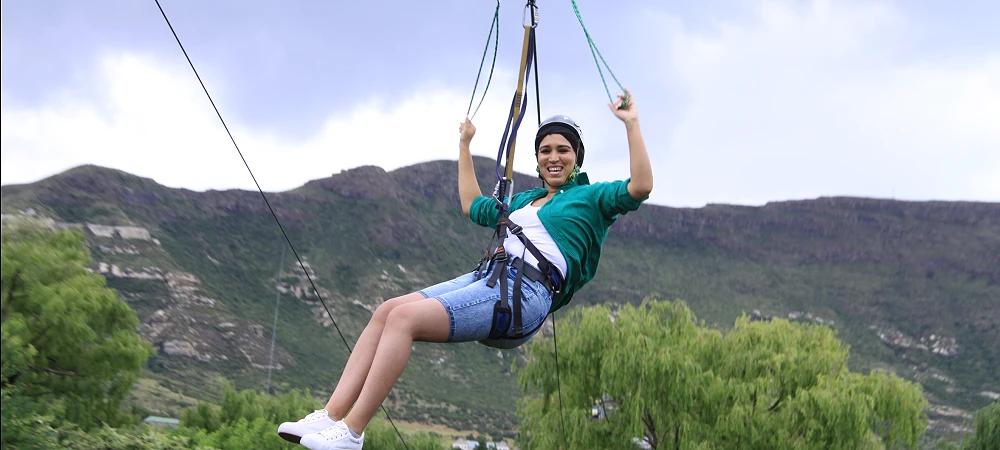
“South African National Parks has expanded Golden Gate Highlands National Park’s adventure tourism offering with a seven-cable zipline experience, providing visitors with a new way to explore the spectacular Maluti Mountain landscape. The attraction complements hiking, horse riding and heritage experiences while creating employment opportunities and supporting tourism development around Clarens.”
Golden Gate Highlands National Park: How a new zipline adventure is helping transform South Africa’s tourism experience
South Africa’s adventure tourism industry continues to offer exciting opportunities for travellers seeking experiences beyond traditional sightseeing, and Golden Gate Highlands National Park in the Free State is becoming an important example of this growing tourism potential. The introduction of a spectacular seven-cable zipline attraction has added another reason for domestic and international visitors to explore the country’s mountain landscapes, natural heritage and outdoor activities.
The development, introduced through a partnership involving South African National Parks (SANParks) and Golden Gate Zipline, demonstrates how adventure activities can complement conservation, local economic development and destination marketing. Instead of experiencing the park exclusively through scenic drives and hiking trails, visitors can now explore its dramatic surroundings from elevated platforms while travelling across the landscape on professionally installed zipline cables.
The development was reported by SAnews in September 2026, highlighting the attraction’s potential to strengthen the Free State’s position within South Africa’s adventure tourism market. It also reflects a wider opportunity for national parks to diversify their visitor experiences while maintaining their responsibility to protect important natural and cultural resources.
A new attraction in the heart of the Free State
Golden Gate Highlands National Park is recognised for its impressive sandstone formations, mountain scenery, valleys and distinctive natural environment. Located near Clarens, the park provides visitors with opportunities to experience the outdoors through hiking, wildlife viewing, horse riding, scenic routes and heritage attractions.
The new zipline experience introduces an additional dimension to this established tourism offering. According to SAnews, the attraction features seven cables connecting elevated platforms, allowing participants to glide across sections of the mountainous landscape while enjoying panoramic views.
The experience lasts approximately one hour, with the longest cable extending about 650 metres. The reported price at the time of publication was R650 per person.
These features make the attraction particularly appealing to travellers interested in combining sightseeing with physical excitement. Rather than simply observing the mountains from a distance, participants experience the surrounding environment from an unusual elevated perspective.
For Golden Gate Highlands National Park, this diversification could help attract visitors who might previously have selected other destinations because they offered more specialised adventure activities.
Strengthening South Africa’s adventure tourism industry
Adventure tourism has become an important component of destination development because it encourages travellers to participate actively in the places they visit. Activities such as hiking, mountain biking, ziplining, surfing, kayaking, rock climbing and horse riding can extend visitor stays and encourage spending across local tourism businesses.
South Africa has considerable potential in this market because of its geographical diversity. Its mountains, coastlines, forests, rivers, protected areas and open landscapes provide opportunities for different forms of outdoor recreation.
Golden Gate’s new zipline demonstrates how an established conservation destination can introduce an additional experience without abandoning its existing identity.
For visitors, the attraction provides another reason to include the Free State in a domestic holiday itinerary. For tour operators, it creates an additional activity that can be incorporated into regional packages. Accommodation providers, restaurants, transport operators and local businesses may also benefit when adventure activities encourage tourists to remain in an area for longer.
The development is particularly relevant to destinations seeking to compete for younger travellers and visitors interested in memorable outdoor experiences.
Creating employment and supporting surrounding communities
One of the most important aspects of adventure tourism development is its potential to create employment beyond the attraction itself.
SAnews reported that the Golden Gate zipline initiative had created 20 jobs for residents from Clarens and the wider Free State area. The attraction’s director, Mika Lutchman, also explained that employees receive specialised training, certification and first-aid preparation.
This approach demonstrates why local participation should form an essential part of tourism investment.
When tourism attractions employ residents, opportunities can extend beyond direct operational positions. Local communities may benefit through transport services, food businesses, accommodation, guiding, maintenance, retail and other supporting activities.
The development also creates opportunities for young people to acquire practical skills in visitor management and adventure operations.
Furthermore, employment generated by tourism can support household incomes and strengthen the relationship between surrounding communities and protected areas.
However, the long-term benefits depend on maintaining employment opportunities, providing ongoing professional development and ensuring that local businesses can participate in the wider tourism economy.
Combining adventure with environmental conservation
Introducing commercial adventure activities into protected natural environments requires careful planning. National parks are important because they protect biodiversity, landscapes, ecological systems and cultural heritage.
Consequently, tourism development must not compromise the environmental resources that make these destinations attractive.
The Golden Gate project reportedly involved approximately two years of development, with environmental considerations and impact assessments incorporated into its planning.
Lutchman explained that the intention was to develop an attraction that could operate alongside the surrounding environment while limiting unnecessary disturbance to vegetation, protected species and rock formations.
The design also considered the visual impact of infrastructure on the mountain landscape.
This is an important consideration because visitors are attracted to Golden Gate partly because of its natural scenery. Excessive construction or poorly planned infrastructure could reduce the very qualities that make the destination special.
Sustainable adventure tourism therefore requires more than attracting customers. It requires responsible site selection, environmental monitoring, waste management, appropriate infrastructure and cooperation with conservation authorities.
If these principles are maintained, adventure activities can help generate tourism revenue while encouraging visitors to appreciate the importance of protecting natural landscapes.
Safety remains central to adventure experiences
Although ziplining provides an exciting opportunity to experience the outdoors, safety must remain a fundamental requirement.
Adventure tourism involves activities that may expose participants to height, speed, changing weather conditions and specialised equipment. Operators must therefore maintain professional standards and ensure that visitors receive appropriate instructions before participating.
According to the SAnews report, the Golden Gate operation incorporates regular equipment inspections, engineering reports, cable assessments and safety certification.
Daily and weekly safety checks were also highlighted as important operational procedures.
These measures are essential for building visitor confidence, protecting participants and maintaining the reputation of the attraction.
The reported participation requirements included a minimum age of eight years, a maximum weight of 120 kilograms and a maximum height of 1.9 metres. The experience was also described as unsuitable for pregnant visitors and people who had consumed alcohol or other substances.
Travellers should confirm current requirements directly with the operator before booking, since operating conditions and restrictions can change.
For South Africa’s wider adventure tourism industry, maintaining consistent safety standards is essential. One serious incident can damage confidence in an individual attraction and affect perceptions of adventure tourism more broadly.
Professional training, equipment maintenance, emergency procedures and transparent communication should therefore remain priorities for operators.
Encouraging young South Africans to explore locally
Another significant opportunity created by the Golden Gate attraction is its potential to encourage more young South Africans to discover domestic travel destinations.
Adventure activities can appeal to younger travellers who value active holidays, outdoor recreation, social experiences and opportunities to create memorable travel content.
The zipline provides an experience that can be incorporated into weekend escapes, school holiday itineraries, family trips and organised group excursions.
Tourism businesses can also use the attraction to develop packages combining accommodation, hiking, horse riding, heritage experiences and other outdoor activities.
This approach can help make domestic tourism more attractive by offering visitors several activities within one destination.
It also encourages travellers to look beyond internationally recognised tourism centres and discover lesser-known regions with distinctive landscapes and experiences.
The Free State has opportunities to strengthen its tourism identity through attractions such as Golden Gate Highlands National Park and the surrounding Clarens area.
By promoting these destinations effectively, the province can attract visitors who might otherwise overlook it when planning their South African holidays.
Extending visitor stays and supporting regional tourism
Adventure attractions can contribute to regional economic activity when they encourage visitors to spend additional time at a destination.
A tourist travelling to Golden Gate specifically for the zipline may also explore hiking trails, visit the dinosaur interpretation centre, enjoy local restaurants, purchase products from nearby businesses and book accommodation.
This creates opportunities for tourism spending to circulate through different parts of the local economy.
The combination of adventure, nature and heritage is particularly valuable because it appeals to different visitor interests.
Families may appreciate the educational and scenic experiences, while adventure enthusiasts may prioritise physical activities. International tourists may also be attracted by the opportunity to experience a protected mountain landscape through several complementary activities.
Tour operators can strengthen this potential by creating carefully planned itineraries that connect Golden Gate with other Free State attractions.
However, these benefits are not automatic. Destination marketing, accessible transport, reliable accommodation, clear booking information and competitive packages are important factors in converting visitor interest into actual tourism spending.
The attraction’s success will therefore depend partly on cooperation between SANParks, private operators, tourism organisations and surrounding businesses.
South Africa’s competitive advantage in adventure travel
South Africa competes with numerous international destinations for adventure-seeking travellers. Its competitive advantage includes diverse landscapes, established tourism infrastructure, wildlife experiences and a broad selection of outdoor activities.
The country offers opportunities ranging from shark-cage diving and surfing to mountain hiking, bungee jumping, trail running and wilderness exploration.
Golden Gate’s zipline contributes to this diversity by demonstrating how a protected mountain destination can introduce a specialised experience while retaining its natural identity.
Adventure tourism also provides opportunities to distribute tourism spending beyond major urban centres and traditional coastal holiday destinations.
This is important for regional development because smaller towns and rural communities can benefit when visitors travel to attractions located outside major metropolitan areas.
Nevertheless, sustained competitiveness requires continuous investment in skills, infrastructure, marketing, safety and environmental protection.
South Africa must also ensure that adventure activities remain accessible to a variety of travellers without allowing commercial pressures to undermine conservation objectives.
What visitors should consider before travelling
Travellers planning to experience Golden Gate Highlands National Park should prepare their visits carefully.
The first consideration is confirming attraction availability, operating times, prices and participation requirements directly with the zipline operator.
Weather conditions should also be considered because mountain environments can experience sudden changes. Appropriate clothing, comfortable footwear and adequate preparation can improve the overall experience.
Visitors should also investigate other activities available within the park so that they can make the most of their journey.
Combining ziplining with hiking, horse riding, scenic drives and heritage experiences can create a more comprehensive holiday.
Advance planning is particularly useful during busy holiday periods, when accommodation and popular attractions may experience increased demand.
Tourists should respect conservation rules, avoid littering and follow instructions from park personnel and activity guides.
Responsible visitor behaviour helps protect the environment and ensures that future generations can continue enjoying the destination.
The future of adventure tourism at Golden Gate
The introduction of ziplining at Golden Gate Highlands National Park illustrates how innovation can strengthen South Africa’s tourism offering. By combining adrenaline-filled activities with natural beauty, conservation and local employment, the development provides an example of how adventure tourism can contribute to regional economic opportunities.
The next challenge will be ensuring that the attraction remains sustainable, professionally managed and accessible to visitors. Continued cooperation between SANParks, private tourism operators and local communities will be important in maintaining the destination’s appeal.
There is also an opportunity to develop additional experiences that complement the park’s existing activities without placing unnecessary pressure on its natural resources. Better regional marketing, partnerships with tour operators and integrated travel packages could further increase visitor interest.
For South African travellers, Golden Gate offers another reason to explore the country’s diverse outdoor destinations. For international visitors, it provides an opportunity to discover the Free State beyond conventional travel routes.
Ultimately, the success of adventure tourism should be measured not only by visitor numbers but also by the economic benefits created for surrounding communities and the protection of natural heritage.
Golden Gate Highlands National Park’s new zipline is therefore more than an additional recreational activity. It represents an opportunity to connect tourism innovation, environmental responsibility and local economic development while showcasing the extraordinary landscapes that make South Africa an attractive adventure travel destination.



