




“South Africa has recorded a 12.8% increase in international arrivals between January and May 2026, fueled by visa-free entry policies, expanded flight connectivity, and rising global interest in safari tourism. This growth highlights the country’s transformation into a premier destination for both regional and long-haul travelers.”
South Africa’s tourism industry is experiencing a remarkable resurgence in 2026, with international arrivals surging by more than 12% in the first five months of the year. This growth is not only a testament to the country’s natural beauty and cultural richness but also to strategic policy changes, improved connectivity, and global demand for safari and adventure travel.
Visa-Free Entry Policies
One of the most significant drivers of this surge has been the expansion of visa-free entry agreements with countries such as the United Kingdom, Germany, Brazil, Australia, and Namibia. These policies have reduced barriers for travelers, making South Africa more accessible to high-value international markets. For tourists, the ease of entry translates into greater spontaneity in travel planning and increased willingness to explore destinations across the country.
Safari Tourism Demand
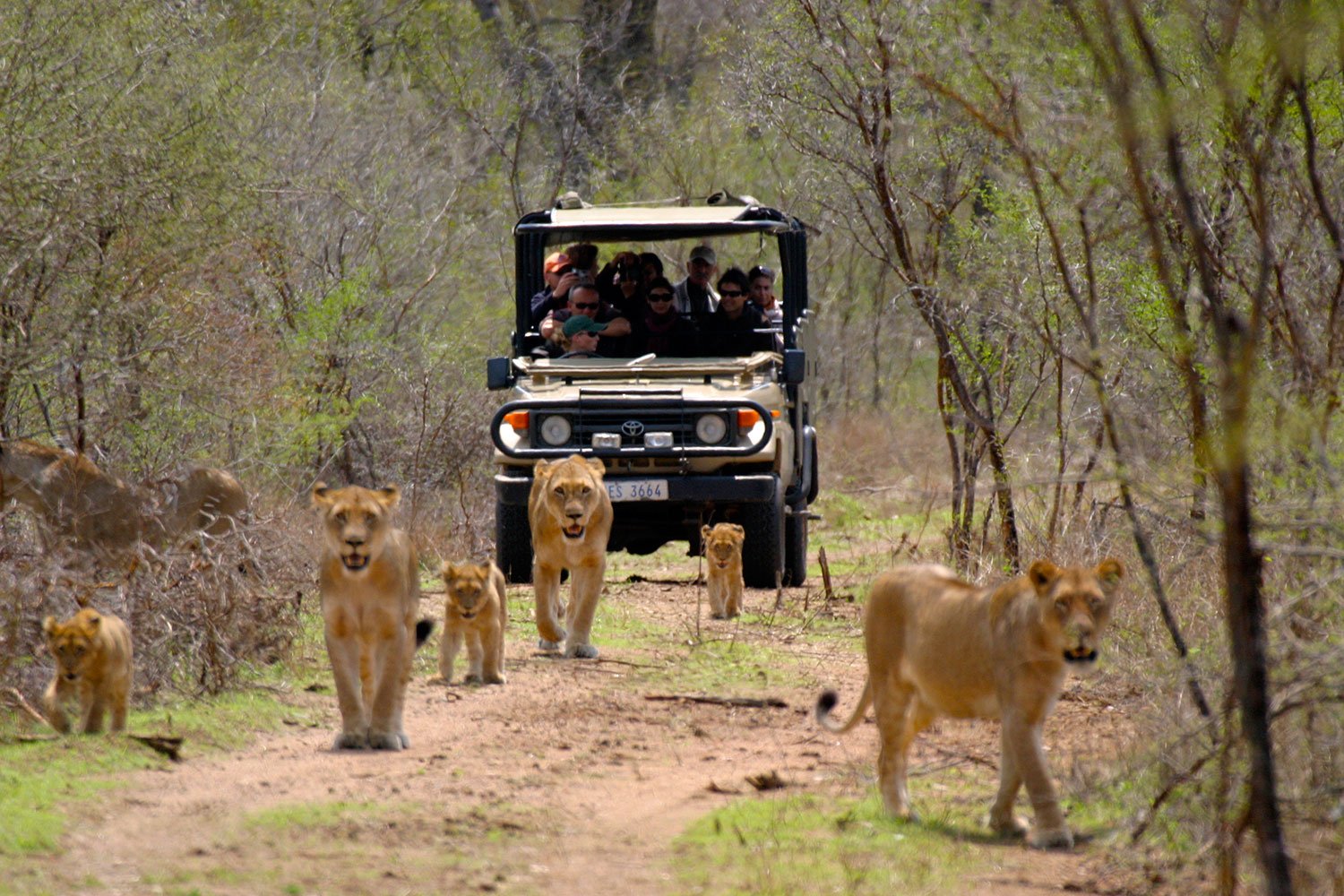
Safari tourism remains the cornerstone of South Africa’s appeal. The Kruger National Park, Pilanesberg, and private reserves such as Sabi Sands continue to attract visitors eager to experience the Big Five. The renewed interest in wildlife tourism has been amplified by global marketing campaigns emphasizing conservation, eco-tourism, and immersive cultural experiences. Safari lodges, ranging from budget-friendly camps to luxury retreats, are reporting record bookings, with occupancy rates exceeding pre-pandemic levels.
Flight Connectivity and Infrastructure
Improved air connectivity has played a crucial role in sustaining this momentum. Expanded routes from Europe, the Americas, and Asia have made South Africa more accessible than ever. Johannesburg’s OR Tambo International Airport and Cape Town International Airport have seen increased traffic, with airlines introducing direct flights from major hubs such as London, Frankfurt, São Paulo, and Sydney. This accessibility has encouraged both short-term leisure travelers and long-haul visitors seeking extended stays.
Economic Impact
Between January and May 2026, South Africa welcomed approximately 4.22 million international arrivals, representing a 12.8% year-on-year increase. This growth is not only quantitative but also qualitative: African markets continue to dominate in volume, while overseas visitors contribute higher spending per capita. This dual growth structure stabilizes the tourism economy, ensuring both mass-market resilience and premium-market profitability.
Regional Contributions
Namibia’s alignment with South Africa’s tourism strategies has further boosted regional mobility. Cross-border travel between Namibia and South Africa has increased, with safari circuits now marketed as multi-country experiences. Similarly, partnerships with Brazil and Australia have opened new avenues for long-haul travelers, diversifying the visitor base and reducing reliance on traditional European markets.
Cultural and Adventure Tourism
Beyond safaris, South Africa’s cultural and adventure tourism offerings are gaining traction. Cape Town’s vibrant arts scene, Stellenbosch’s wine routes, and Durban’s coastal attractions are drawing diverse audiences. Adventure seekers are flocking to activities such as shark cage diving in Gansbaai, whale watching in Hermanus, and hiking Table Mountain. These experiences complement wildlife tourism, creating a holistic destination appeal.
Sustainability and Conservation
The surge in tourism has also placed a spotlight on sustainability. Eco-conscious safaris, community-based tourism initiatives, and conservation projects are being integrated into mainstream travel experiences. Tour operators are increasingly emphasizing responsible tourism, ensuring that growth does not come at the expense of South Africa’s fragile ecosystems.
Risks and Challenges
Despite the positive outlook, challenges remain. Safety concerns, particularly around crime and protests, continue to affect perceptions of South Africa as a destination. Travelers are advised to exercise caution in urban centers and township areas, and to rely on reputable tour operators for adventure activities.
Conclusion
South Africa’s tourism boom in 2026 reflects a structural recovery that is both regional and global. With visa-free entry policies, expanded flight connectivity, and rising safari demand, the country is firmly positioned as a leading destination in the Southern Hemisphere. The challenge ahead lies in balancing growth with sustainability, ensuring that the benefits of tourism extend to local communities while preserving the natural and cultural heritage that makes South Africa unique.



