




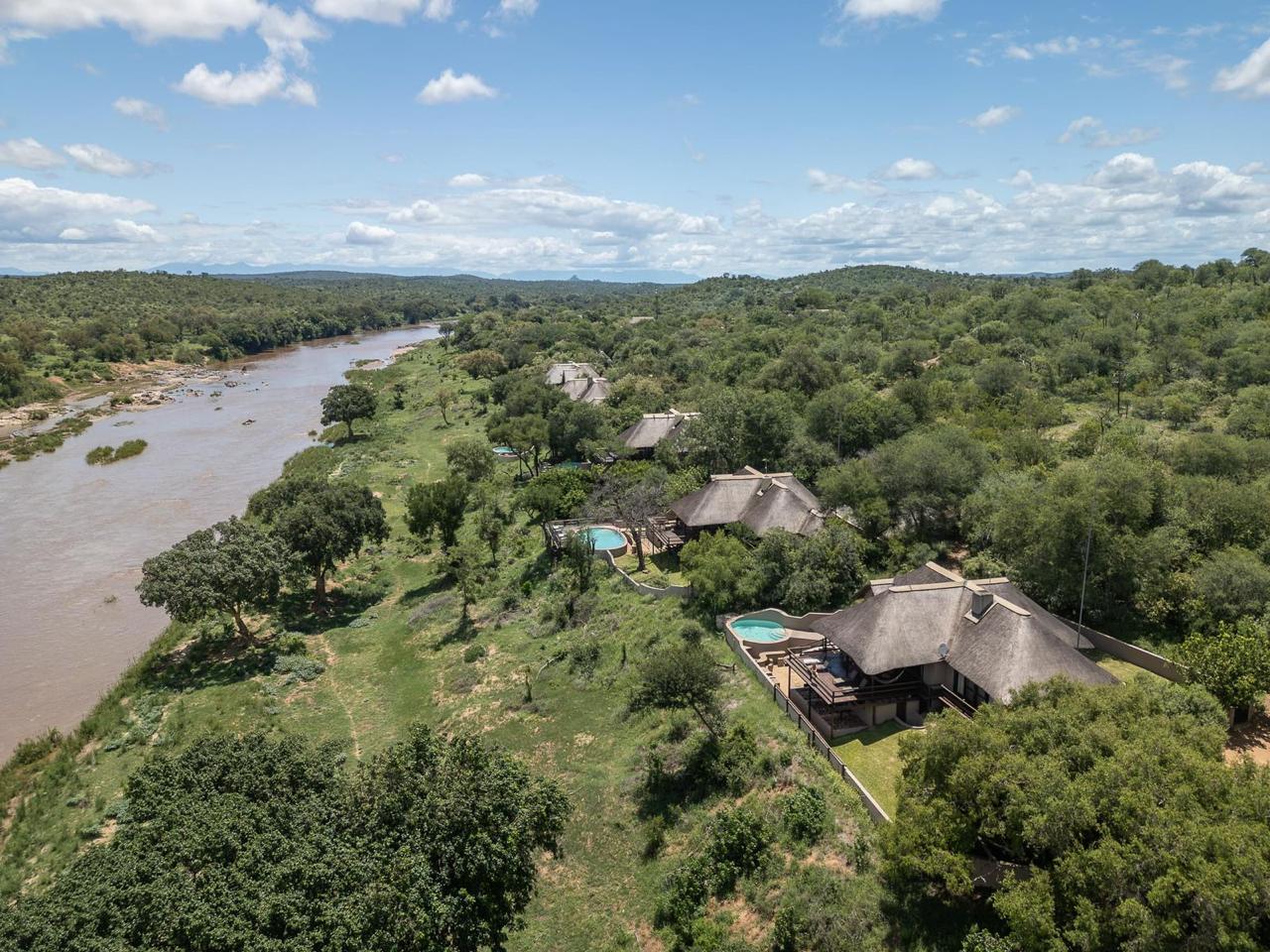
“Nyati Safari Lodge has launched the Private Rhino Camp, an exclusive-use, self-catering safari retreat aimed at South African residents seeking authentic wilderness experiences. This initiative combines conservation, privacy, and adventure, offering travelers a chance to engage deeply with South Africa’s iconic wildlife while supporting sustainable tourism.”
Adventure tourism in South Africa has long been defined by its ability to merge breathtaking landscapes with encounters that are both thrilling and deeply connected to nature. On July 9, 2026, Nyati Safari Lodge announced the launch of its Private Rhino Camp, a bold new offering that reflects the evolving demands of travelers who seek exclusivity, sustainability, and immersive wildlife experiences. This development is not just another addition to South Africa’s safari portfolio—it represents a significant shift in how adventure travel is being reimagined for domestic and regional markets.
The Concept of Private Rhino Camp
The Private Rhino Camp is designed as an exclusive-use, self-catering facility. Unlike traditional safari lodges that emphasize luxury services and communal experiences, this camp prioritizes privacy and autonomy. Guests are given full control over their stay, from meal preparation to activity scheduling, while still benefiting from the lodge’s conservation expertise and guided excursions. This model appeals particularly to South African residents who value affordability, flexibility, and a sense of ownership over their adventure.
Adventure Meets Conservation
At the heart of the camp’s identity is its focus on rhino conservation. South Africa has faced relentless challenges in protecting its rhino population from poaching and habitat loss. By naming and centering the camp around rhinos, Nyati Safari Lodge underscores its commitment to wildlife preservation. Guests are not merely passive observers; they are invited to participate in conservation education, guided tracking, and awareness programs that highlight the importance of safeguarding these endangered giants.
The Rise of Self-Catering Safari Experiences
Self-catering options in safari tourism are gaining traction as travelers seek more personalized and budget-conscious adventures. The Private Rhino Camp taps into this trend by offering facilities that allow guests to cook their own meals, plan their own schedules, and enjoy the wilderness without the rigid structure of traditional lodges. This autonomy enhances the sense of adventure, as visitors feel more like explorers than tourists.
Adventure Travel in Context
South Africa’s adventure travel sector has been undergoing a transformation. Post-pandemic recovery, coupled with rising domestic tourism, has created demand for experiences that are both safe and exhilarating. Exclusive-use camps reduce exposure to large groups, making them attractive to families and small circles of friends. Moreover, the emphasis on conservation aligns with global trends in responsible tourism, where travelers increasingly seek experiences that contribute positively to the environment and local communities.
Economic and Social Impact
The launch of the Private Rhino Camp is also significant for local economies. Adventure tourism generates employment opportunities for guides, trackers, and hospitality staff, while also supporting conservation initiatives financially. By targeting South African residents, Nyati Safari Lodge ensures that the benefits of tourism are more evenly distributed, reducing reliance on international arrivals and strengthening domestic engagement with natural heritage.
Risks and Challenges
While the camp offers exciting opportunities, it also faces challenges. Self-catering models require guests to take greater responsibility for safety and logistics, which may not suit all travelers. Additionally, the emphasis on exclusivity could limit accessibility for lower-income groups. Balancing affordability with sustainability will be crucial for the long-term success of the initiative.
Broader Adventure Travel Trends
The Private Rhino Camp reflects broader trends in adventure travel across South Africa:
- Immersive safaris focusing on conservation.
- Exclusive-use lodges catering to privacy-conscious travelers.
- Self-catering tourism appealing to budget-conscious adventurers.
- Domestic adventure tourism strengthening local engagement with wildlife.
Conclusion
Nyati Safari Lodge’s Private Rhino Camp is more than a new safari product—it is a statement about the future of adventure travel in South Africa. By combining exclusivity, self-catering flexibility, and conservation-driven experiences, it sets a precedent for how lodges can adapt to changing traveler expectations. For South African residents, it offers a rare opportunity to immerse themselves in the wilderness while actively contributing to the protection of one of the country’s most iconic species.



