




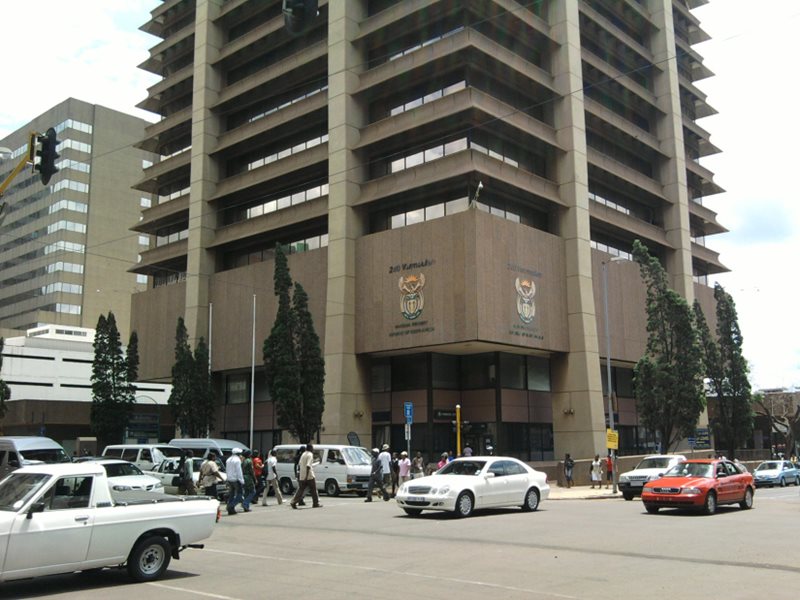
“South Africa’s National Treasury has withheld R13.5 billion in equitable-share transfers to 69 municipalities, including R3.6 billion for Johannesburg, due to financial mismanagement and unpaid debts. The freeze underscores a deep governance crisis, forcing municipalities to present credible action plans before funding resumes.”
On July 7, 2026, South Africa’s National Treasury announced a dramatic intervention in local governance: the suspension of R13.5 billion in equitable-share transfers to 69 municipalities. This decision, unprecedented in scale, reflects mounting frustration with chronic mismanagement, wasteful expenditure, and failure to meet statutory obligations. The freeze has immediate implications for service delivery, economic stability, and political accountability in Africa’s most industrialized economy.
Background: The Equitable Share System
The equitable share is a constitutionally mandated allocation of national revenue to municipalities, designed to fund basic services for households unable to sustain themselves through local taxation. It ensures that even the poorest communities have access to electricity, water, sanitation, and other essential services. By withholding this funding, Treasury has effectively applied a fiscal tourniquet, signaling that governance failures will no longer be tolerated.
Scope of the Freeze
- Total withheld: R13.5 billion
- Affected municipalities: 69, including major metros such as Johannesburg, Buffalo City, Nelson Mandela Bay, and Mangaung
- Johannesburg impact: R3.6 billion withheld, threatening service delivery in the country’s economic hub
Reasons for the Intervention
Treasury’s decision was based on a litany of governance failures:
- Unfunded budgets: Councils repeatedly adopted budgets without realistic revenue streams.
- Irregular expenditure: Since 2021–22, municipalities accumulated R145.21 billion in irregular spending.
- Fruitless and wasteful expenditure: R24.12 billion wasted on projects with no tangible outcomes.
- Unpaid debts: Municipalities failed to pay Eskom, water boards, the South African Revenue Service, and pension funds.
Governance Implications
This intervention represents a watershed moment in South African governance. For years, the Auditor-General has warned that only a minority of municipalities achieve clean audits. The freeze forces councils to confront systemic failures and develop credible recovery plans. Finance Minister Enoch Godongwana has demanded concrete commitments, including debt repayment schedules and improved financial controls, before funds are released.
Political Reactions
- ANC caucus: Defended the freeze as necessary to restore fiscal discipline.
- Opposition parties: Welcomed the move, arguing that taxpayers should not subsidize mismanagement.
- Civil society: Expressed concern about the impact on vulnerable households but acknowledged the need for accountability.
Economic and Social Impact
The freeze threatens immediate disruption to municipal services:
- Electricity supply: Unpaid debts to Eskom risk power cuts.
- Water services: Municipal arrears to water boards jeopardize access to clean water.
- Public confidence: Residents already frustrated by poor service delivery may lose further trust in local government.
Long-Term Governance Challenges
While the freeze is a bold step, it highlights deeper structural issues:
- Weak financial management capacity in many municipalities.
- Political patronage and corruption undermining accountability.
- Dependence on national transfers rather than sustainable local revenue generation.
Path Forward
Treasury’s intervention is not merely punitive; it is designed to compel reform. Municipalities must:
- Submit credible action plans addressing debt repayment and expenditure control.
- Demonstrate compliance with statutory obligations to utilities and pension funds.
- Commit to transparent governance practices to rebuild public trust.
Conclusion
The R13.5 billion freeze is a turning point in South Africa’s governance landscape. It signals that fiscal indiscipline will no longer be tolerated and that municipalities must prioritize accountability and service delivery. While the immediate impact may be painful, the long-term goal is to restore confidence in local government and ensure that public funds are used responsibly.



