




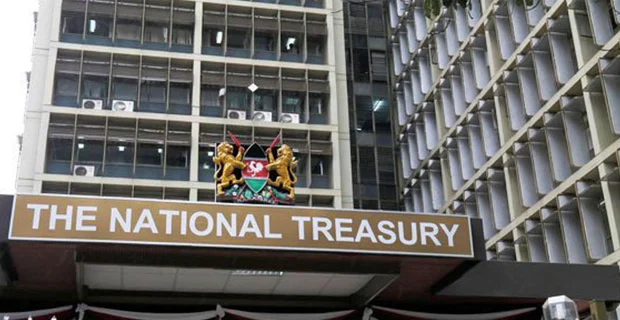
“South Africa’s Finance Minister Enoch Godongwana has invoked Section 216 of the Constitution to suspend July equitable share allocations to 70 municipalities, including Johannesburg, due to persistent failures in financial management. The move underscores Treasury’s determination to enforce fiscal discipline and prevent further deterioration of municipal services.”
On July 8, 2026, South Africa’s National Treasury announced the suspension of equitable share transfers to 70 municipalities, including the City of Johannesburg, Nelson Mandela Bay, Buffalo City, and Mangaung. This unprecedented step highlights the growing urgency to address municipal mismanagement, wasteful expenditure, and mounting debt that threaten service delivery and fiscal stability nationwide.
Background: Constitutional Authority
Treasury’s decision is grounded in Section 216 of the South African Constitution, which empowers the Finance Minister to withhold funds when municipalities fail to comply with financial management laws. The Municipal Finance Management Act (MFMA) requires municipalities to maintain balanced budgets, avoid unauthorized expenditure, and ensure accountability. Persistent violations have triggered this intervention.
Key Municipalities Affected
- Johannesburg (CoJ): South Africa’s largest metro faces liquidity concerns, with pothole repairs and signal maintenance halted due to cash flow shortages.
- Nelson Mandela Bay & Buffalo City (Eastern Cape): Both metros have struggled with unfunded budgets and irregular expenditure.
- Mangaung (Free State): Long plagued by governance instability and debt accumulation.
Treasury’s Objectives
The suspension aims to:
- Instill fiscal discipline by forcing municipalities to correct irregularities.
- Ensure accountability of officials and office-bearers.
- Protect public funds from wasteful expenditure.
- Stabilize service delivery by compelling municipalities to restructure finances.
Impact on Municipal Services
The immediate consequence is a cash flow crisis for affected municipalities. Johannesburg, for instance, has already halted infrastructure repairs. Residents may face disruptions in water supply, electricity maintenance, and sanitation services. The suspension also undermines confidence in municipal governance, potentially deterring investment in local economies.
Political and Economic Reactions
- Municipal Leaders: Johannesburg Mayor Dada Morero expressed disappointment, arguing that budget plans were in progress to avert the suspension.
- Treasury Officials: Finance Minister Godongwana emphasized that repeated non-compliance left no alternative but to enforce constitutional measures.
- Economic Analysts: Experts warn that while the move enforces discipline, it risks worsening service delivery in the short term, especially in metros already struggling with unemployment and poverty.
Broader Fiscal Context
South Africa’s economy faces sluggish growth, high inflation, and elevated interest rates, as noted by Nedbank’s July 2026 outlook. Municipal instability compounds national challenges, undermining investor confidence and weakening the country’s fiscal credibility.
Risks and Challenges
- Service Delivery Collapse: Suspension of funds could exacerbate infrastructure decay.
- Public Unrest: Communities may protest against deteriorating services.
- Political Fallout: Opposition parties may leverage the crisis to criticize government oversight.
- Investor Sentiment: Withholding funds signals instability, potentially discouraging foreign investment.
Path Forward
Treasury has indicated that funding will resume once municipalities demonstrate compliance with MFMA requirements. This includes:
- Submitting balanced budgets.
- Addressing unauthorized and wasteful expenditure.
- Implementing accountability measures for officials.
Municipalities that fail to comply risk prolonged suspension, deepening fiscal and service delivery crises.
Conclusion
The suspension of July equitable share transfers to 70 municipalities marks a watershed moment in South Africa’s fiscal governance. While the move enforces discipline, it also exposes the fragility of municipal finances and the urgent need for reform. The coming months will test whether municipalities can restore compliance and rebuild trust in local governance.



