




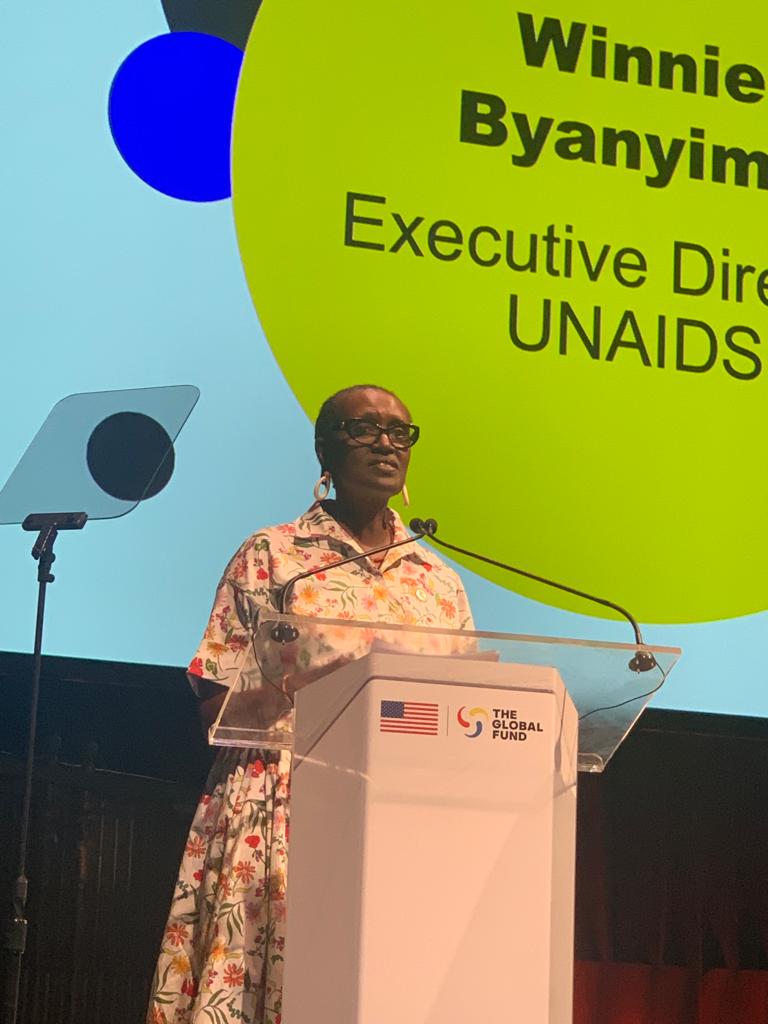
“Winnie Byanyima, Executive Director of UNAIDS, has called on the U.S. government to reverse its decision to phase out HIV/AIDS funding in South Africa, warning that millions of lives are at risk. The U.S. withdrawal from PEPFAR support could undermine treatment for the country’s 8 million HIV-positive citizens and destabilize decades of progress in combating the epidemic.”
South Africa is facing a critical moment in its fight against HIV/AIDS after the United States announced plans to phase out funding from the President’s Emergency Plan for AIDS Relief (PEPFAR). UNAIDS Executive Director Winnie Byanyima expressed deep concern over the decision, urging Washington to reconsider. She warned that the withdrawal of support could have devastating consequences for millions of South Africans living with HIV, potentially reversing decades of progress in combating the epidemic.
PEPFAR has been a cornerstone of South Africa’s HIV/AIDS response since its inception. At its peak, the program provided over $400 million annually, covering salaries for approximately 15,000 health workers and contributing up to 17% of the country’s HIV funding. While South Africa has made strides in financing its own HIV programs, the scale of the epidemic—affecting nearly 8 million people, the largest HIV-positive population in the world—means international support remains vital.
The U.S. State Department justified the decision by stating that South Africa, as a middle-income country, is capable of sustaining its own health programs. Officials also cited Pretoria’s failure to meet certain policy requests, including reducing ties with Iran, ending Black Economic Empowerment policies, and addressing controversial anti-apartheid chants. Critics argue that conditioning lifesaving health support on geopolitical demands undermines the humanitarian purpose of PEPFAR.
Byanyima’s appeal highlights the broader issue of declining global development assistance. Traditional donors in Europe and North America have reduced aid contributions, raising fears that the global target of ending AIDS as a public health threat by 2030 may be jeopardized. She stressed that the transition away from donor funding must be carefully planned to avoid leaving vulnerable populations without access to treatment. “Taking it away is taking away life-saving support from the most vulnerable people,” she said.
The potential impact of the funding cut is profound. South Africa has achieved significant progress in expanding access to antiretroviral therapy, with 32.1 million people worldwide now receiving treatment. However, sustaining this progress requires consistent investment in healthcare infrastructure, community outreach, and prevention programs. Without external support, the country risks increased HIV transmission rates, treatment interruptions, and a rise in AIDS-related deaths.
Civil society organizations and health experts have echoed Byanyima’s concerns, warning that the decision could destabilize South Africa’s healthcare system. Many fear that the withdrawal will disproportionately affect marginalized communities, including women, children, and rural populations, who rely heavily on donor-funded programs. The move also raises questions about the future of global solidarity in addressing pandemics, as funding cuts in one country could set a precedent for others.
Looking ahead, the South African government faces the challenge of mobilizing domestic resources to fill the gap left by PEPFAR. This will require innovative financing strategies, stronger political commitment, and partnerships with private sector actors. At the same time, international advocacy efforts are likely to intensify, as UNAIDS and other organizations push for a reversal of the U.S. decision.
In conclusion, the U.S. withdrawal of HIV/AIDS funding from South Africa represents a pivotal moment in global health and development. The decision underscores the fragility of international aid commitments and the urgent need for sustainable, locally driven solutions. Yet, as Byanyima emphasized, the lives of millions hang in the balance, making it imperative that Washington reconsiders its stance. The outcome will not only shape South Africa’s HIV/AIDS response but also signal the future of global cooperation in tackling public health crises.



