




“South African National Parks (SANParks) has invested R136.5 million in upgrading accommodation, visitor facilities, essential infrastructure and energy systems at Addo Elephant National Park in the Eastern Cape, with further improvements planned before the December 2026 holiday season. The project aims to strengthen Addo’s appeal as a wildlife destination, improve the visitor experience and support more sustainable tourism, although several facilities, including hiking trails and ablutions, still require attention.”
Addo Elephant National Park upgrade aims to strengthen South Africa’s tourism appeal
South Africa’s Addo Elephant National Park is undergoing a major infrastructure improvement programme designed to strengthen its position as one of the country’s important wildlife destinations ahead of the busy summer holiday period. SANParks has committed R136.5 million to upgrading accommodation, essential services and visitor facilities, creating an opportunity to improve the overall safari experience while supporting the long-term sustainability of the park.
The development is particularly significant as domestic and international travellers prepare for the December holiday season, when South Africa’s national parks, beaches, nature reserves and cultural destinations attract visitors seeking outdoor recreation and memorable travel experiences.
The investment includes new family accommodation, a completed spa, improvements to sewerage and electrical infrastructure, road maintenance and the development of additional visitor facilities. Some upgrades are already available, while other projects are expected to be completed in December 2026 or enter service in early 2027.
A significant investment in a leading wildlife destination
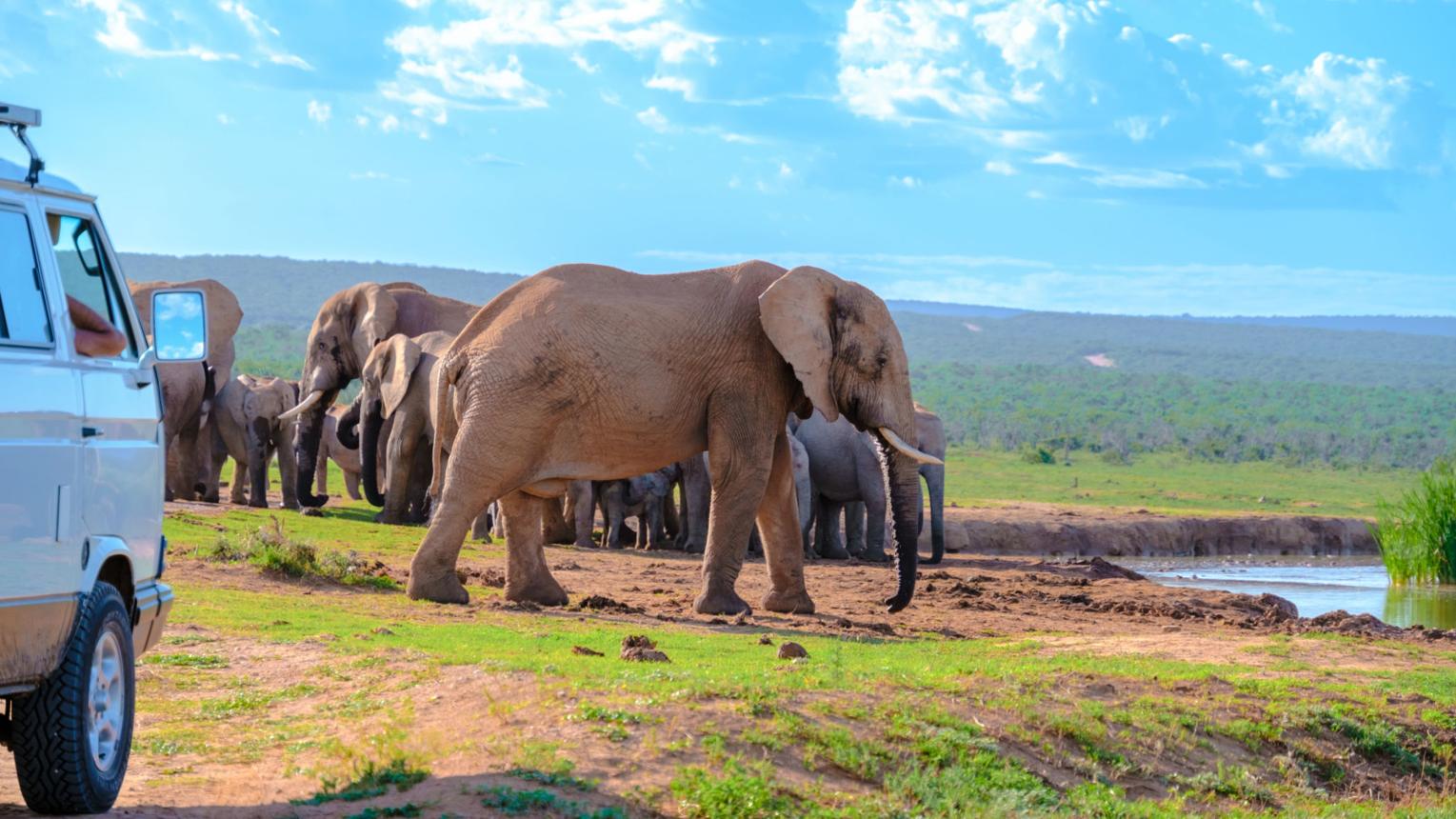
Located in the Eastern Cape, Addo Elephant National Park is widely recognised for its elephant population and its wider wildlife and conservation offering. It is also associated with South Africa’s Big Seven experience, which includes the traditional Big Five land animals alongside the southern right whale and great white shark in its marine environment.
The park offers visitors opportunities to experience wildlife, explore natural landscapes and discover the Eastern Cape’s broader tourism attractions. Its location also makes it a potential component of regional itineraries combining wildlife viewing with coastal experiences, cultural activities and visits to nearby towns.
However, a destination’s popularity depends on more than its natural attractions. Visitors also expect suitable accommodation, functioning sanitation facilities, dependable electricity, accessible roads and clear information about activities and services.
The latest investment responds to these practical requirements. By improving facilities and essential infrastructure, SANParks is seeking to make Addo more comfortable and operationally resilient while maintaining its conservation responsibilities.
South Africa’s tourism competitiveness depends partly on whether its most attractive destinations can deliver a consistent experience from arrival to departure. Investment in basic infrastructure is therefore important not only for visitor satisfaction but also for the reputation of the wider tourism sector.
New family accommodation and upgraded visitor facilities
One of the most immediate benefits is the completion of eight modern family accommodation units, which are already open to visitors. These units expand the park’s accommodation offering and provide another option for families planning wildlife holidays.
The project also includes completed improvements to bulk sewerage and electrical infrastructure. Although these upgrades may be less visible than new accommodation, they are fundamental to the operation of a destination that receives visitors throughout the year.
Reliable utilities help accommodation providers and park managers maintain services, support sanitation and reduce the risk of disruptions that can undermine a holiday experience.
Another addition is a new spa, which has been completed and is operational. The facility broadens the range of experiences available to visitors, particularly those seeking a combination of wildlife activities and relaxation.
Further accommodation units, refurbished existing units, a renovated guest house and an upgraded swimming pool are expected to be ready in December 2026. These facilities could provide additional options for travellers visiting during the summer holidays, subject to the confirmed opening schedules and availability announced by SANParks.
For visitors, the practical advice is to check the park’s official booking information before travelling. Announced completion dates do not necessarily mean every facility will be available for booking immediately, and travellers should confirm accommodation, access arrangements and any applicable conditions directly with the park.
Community tourism and opportunities for local participation
A further component of the project is a new 10-unit Community Lodge. Construction is expected to be completed by December 2026, with operations planned to begin in January 2027.
The lodge adds a community dimension to the investment. Tourism can contribute to local economic development through employment, procurement, guiding services, transport, food supply and other visitor-related activities.
Where community participation is planned effectively, tourism infrastructure can create opportunities for surrounding residents and small businesses to benefit from visitor spending. Accommodation projects can also create demand for maintenance, cleaning, catering and other services.
Nevertheless, the wider economic impact will depend on how the lodge is operated, how local suppliers are included and how employment opportunities are distributed. The announcement of a new facility is an important first step, but sustained benefits require transparent management, skills development and continuing engagement with neighbouring communities.
For Addo, the Community Lodge could help strengthen the connection between conservation and local economic participation. It may also provide an additional reason for travellers to include the park in longer Eastern Cape itineraries once the facility officially opens.
Renewable energy and more sustainable park operations
The investment also includes a completed 705-kilowatt grid-tied solar plant, which is scheduled to be commissioned in January 2027.
Reliable energy is important for accommodation, administration, water-related systems and other park operations. A solar installation connected to the electricity grid may help diversify the park’s energy supply and improve operational resilience.
The environmental benefits will depend on the installation’s actual performance, the amount of electricity it generates and how effectively it is integrated into daily operations. Commissioning is an important milestone because it marks the transition from a completed installation to an operating energy system.
The project nevertheless reflects a broader principle for destination management: protecting a natural attraction involves more than preserving wildlife and landscapes. Tourism operators must also consider the infrastructure needed to run facilities while managing environmental impacts.
For a large wildlife destination, improving energy systems alongside accommodation and essential services can help support a more reliable visitor experience. It also provides an opportunity to demonstrate how tourism infrastructure can be developed alongside conservation priorities.
Roads, ablutions and hiking trails remain priorities
Despite the progress, the programme is not yet complete. Road maintenance is underway, while SANParks has identified ablution facilities and hiking trails as areas requiring urgent attention.
These issues matter because visitors experience a destination through its everyday facilities as much as through its headline attractions. Poorly maintained roads can affect self-drive safaris, while inadequate toilets and deteriorating trails can reduce comfort, accessibility and visitor confidence.
Trail improvements are particularly relevant to visitors who want to experience nature beyond vehicle-based game viewing. Well-maintained routes, clear signage and appropriate safety information can help people explore responsibly while reducing pressure on sensitive areas.
The remaining work also highlights the challenge of maintaining infrastructure in protected areas. Parks must balance visitor access with wildlife protection, environmental management, operational budgets and the need to preserve natural landscapes.
For that reason, the success of the investment should be measured not only by the number of facilities completed but also by their condition and reliability over time.
Visitors planning a trip should confirm which trails and facilities are accessible, follow park instructions and respect any temporary restrictions. These precautions are particularly important while maintenance and construction activities continue.
What the upgrades mean for December travellers
The timing of the project is important because December is a major holiday period in South Africa. Families, international tourists and domestic travellers often plan trips well in advance, especially when accommodation is available in popular parks.
The eight completed family units and operational spa offer immediate improvements, while the accommodation refurbishments, guest house and swimming pool are expected to add capacity or improve services later in the year.
However, travellers should not assume that every planned project will be open on a particular date. Construction schedules can change, and the Community Lodge is scheduled to begin operations in January 2027 rather than automatically becoming available for December stays.
Early booking, checking official notices and confirming facilities directly with SANParks can help visitors avoid disappointment. Travellers should also consider travel times, fuel costs, park entry fees and the length of their intended stay when planning a safari.
Addo can also be incorporated into a broader Eastern Cape holiday, allowing visitors to combine wildlife viewing with other regional attractions. Such itineraries may spread tourism spending across more businesses and encourage longer stays in the province.
Wider implications for South Africa’s destination competitiveness
The Addo project illustrates how investment in established attractions can contribute to South Africa’s wider tourism ambitions. The country’s natural assets are internationally recognised, but maintaining a strong destination reputation requires continued investment in infrastructure, customer service and conservation.
When accommodation and facilities meet visitors’ expectations, travellers may be more inclined to recommend a destination, return for another visit or spend additional time exploring the surrounding region.
Conversely, unreliable facilities can undermine an otherwise outstanding wildlife experience. This is why essential infrastructure, sanitation, road maintenance and clear visitor communication are central to destination management.
There is also a need to ensure that improved facilities remain accessible to different types of travellers. Offering accommodation at multiple price points, as emphasised in the official announcement, can help make national parks relevant to a wider domestic market rather than only to high-spending visitors.
The long-term impact will depend on operational performance, maintenance funding, conservation outcomes and the extent to which local communities share in the benefits of tourism.
Conclusion: An important step, with work still ahead
The R136.5 million investment at Addo Elephant National Park represents a substantial effort to improve one of South Africa’s significant wildlife destinations. Completed family accommodation, an operational spa, upgraded essential infrastructure and the planned introduction of additional facilities should help strengthen the visitor offering.
The community lodge and solar plant, both scheduled to enter service in January 2027, will be important next steps. Meanwhile, continued attention to roads, ablutions and hiking trails will be essential if the park is to deliver a consistently positive experience.
For travellers, Addo remains an appealing destination for wildlife viewing and nature-based holidays, but checking official updates before departure is advisable while work continues.
For South Africa’s tourism industry, the project reinforces a clear message: natural beauty attracts visitors, but reliable facilities, sustainable operations, conservation and meaningful local participation help turn that attraction into a resilient destination.
Editorial note: This is an expanded article based on verified public reporting and official project announcements. It is not a verbatim reproduction of the original report. The developments were reported on 27 October 2026 and announced by government sources on 21–22 October 2026; they are not presented as a newly announced event on 28 October.



