




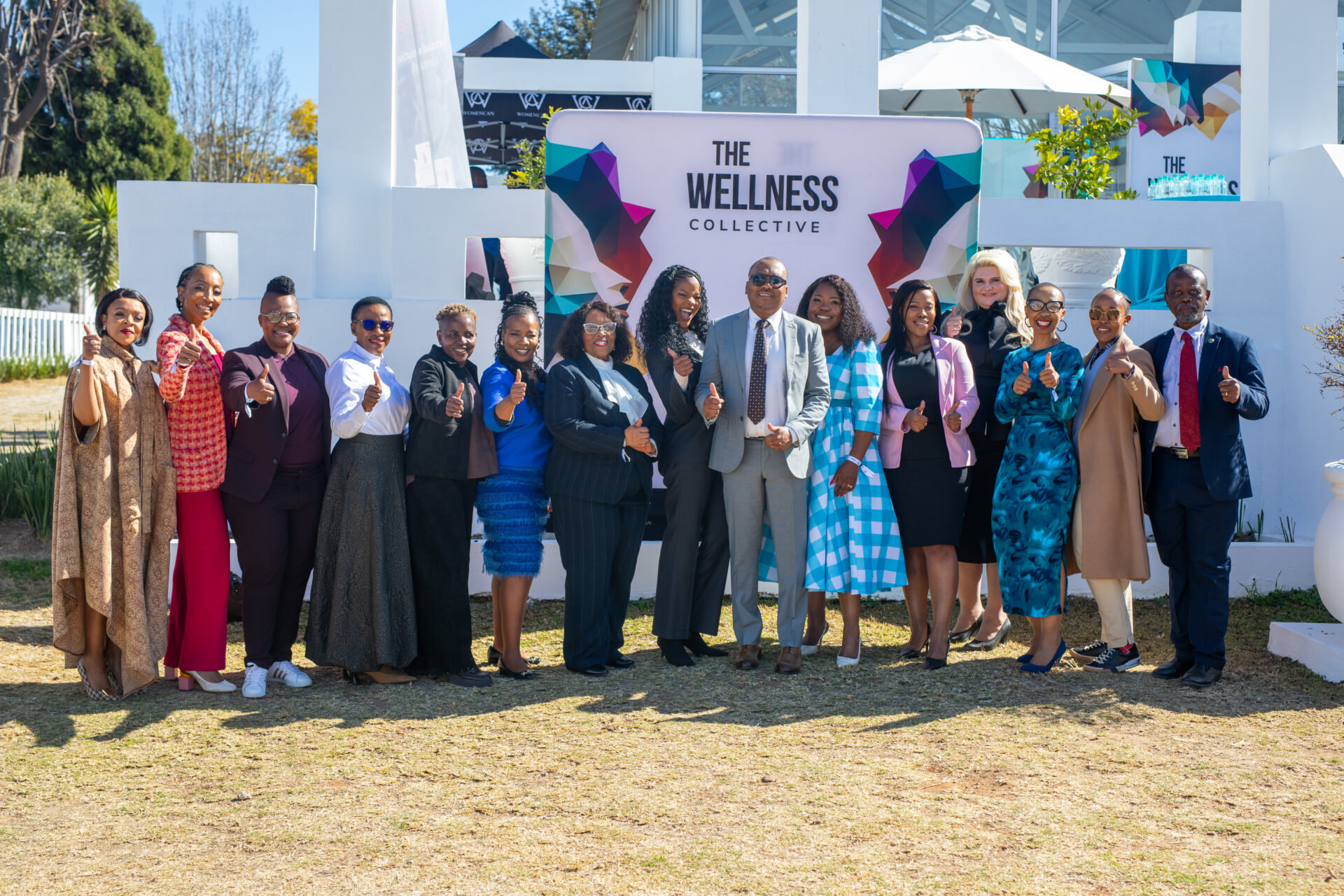
“At the Wellness Collective Summit 2026 in Midrand, South Africa announced fitness and lifestyle medicine as national health priorities, embedding wellness into healthcare, schools, and communities. This holistic approach aims to reduce chronic disease, improve mental health, and strengthen economic resilience.”
South Africa has reached a pivotal moment in its public health journey. On September 4, 2026, the Wellness Collective Summit in Midrand, Gauteng, brought together policymakers, health experts, and community leaders to declare fitness and lifestyle medicine as national priorities. This declaration represents a paradigm shift: wellness is no longer viewed as a personal choice but as a cornerstone of national policy.
The Health Crisis
South Africa faces a dual burden of disease:
- Non-communicable diseases (NCDs): Diabetes, hypertension, obesity, and mental health disorders are rising sharply.
- Infectious diseases: HIV and tuberculosis remain pressing challenges.
This combination threatens both the healthcare system and economic productivity, making preventive strategies essential.
Why Fitness Matters
The summit emphasized that movement is medicine. Regular physical activity reduces the risk of cardiovascular disease, diabetes, and obesity. It also improves mental health, resilience, and productivity. South Africa’s inactivity crisis—where more than one in three citizens fail to meet minimum activity guidelines—has been linked to 51% of deaths nationwide.
Policy Integration
The declaration means fitness will now be embedded into:
- Healthcare systems: Doctors will prescribe exercise alongside medication.
- Schools: Physical education will be prioritized, with new curricula promoting lifelong activity.
- Communities: Local fitness hubs, parks, and wellness centers will be expanded.
Nutrition and Mental Health
The summit also highlighted the integration of nutrition and mental health into fitness policy. Programs will promote balanced diets, stress management, and resilience training. This holistic approach recognizes that wellness is multi-dimensional.
Community-Based Programs
Community leaders showcased innovative models:
- Township fitness clubs offering affordable exercise options.
- Women’s health initiatives focusing on maternal wellness and empowerment.
- Youth engagement programs using sports to reduce crime and substance abuse.
Economic Impact
Investing in fitness is expected to reduce healthcare costs and boost productivity. A healthier workforce means fewer sick days, higher efficiency, and stronger economic resilience. The fitness industry itself—gyms, trainers, wellness apps—will also see growth, creating jobs and opportunities.
Expert Voices
Health professionals at the summit emphasized that wellness is no longer optional—it is essential for national survival. They argued that embedding fitness into policy will not only improve health outcomes but also strengthen South Africa’s economic and social fabric.
Conclusion
The Wellness Collective Summit 2026 marks a historic turning point in South Africa’s health strategy. By declaring fitness and lifestyle medicine national priorities, the country is embracing a holistic approach that integrates physical activity, nutrition, and mental health into everyday life. This bold move positions South Africa as a leader in wellness policy, with the potential to transform both public health and economic resilience for generations to come.



