




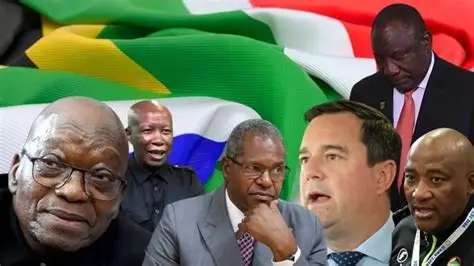
“A viral fake notice demanding undocumented foreigners leave South Africa by June 30 has fueled xenophobic mobilization, mass displacement, and unrest. The crisis underscores failures in immigration governance, corruption within state institutions, and the broader socio-economic challenges facing South Africa.”
South Africa is once again at the crossroads of governance and social stability. A fake Department of Home Affairs notice, circulated widely online, declared that all undocumented foreigners must leave the country by June 30, 2026. Though false, the document ignited widespread panic, xenophobic mobilization, and mass displacement among migrant communities. The government has denied issuing the notice, but the damage was already done: the incident exposed the fragility of South Africa’s governance structures and the deep socio-economic fractures within society.
The Fake Notice and Its Fallout
The viral poster acted as a catalyst for groups already mobilizing against foreign nationals. Movements such as March and March seized on the date as a rallying point, transforming scattered demonstrations into a nationwide mobilization. Migrants from Malawi, Zimbabwe, and Mozambique fled en masse, fearing violence and deportation. Buses arriving in Blantyre carried Malawians repatriated from South Africa, a stark reminder of the human toll of misinformation and xenophobia.
Government Response
Authorities have insisted that the state remains in control. Officials emphasized that law enforcement is prepared to protect migrants and uphold constitutional rights. Minister Khumbudzo Ntshavheni declared that no national shutdown would be permitted on June 30, stressing that while peaceful protest is a constitutional right, vigilantism will not be tolerated. President Cyril Ramaphosa is expected to provide further details on coordinated responses, highlighting the government’s commitment to law and order.
Governance Failures Exposed
The crisis did not begin with the fake notice. In February 2026, South Africa’s Special Investigating Unit revealed that the immigration system had been compromised, with permits and visas sold for as little as $35. This corruption generated hundreds of millions in illicit gains, effectively putting the nation’s borders up for sale. Such failures in governance created fertile ground for unrest, as citizens grappled with unemployment exceeding 30% and youth joblessness at 60%.
Socio-Economic Pressures
South Africa’s citizens remain frustrated by the unfulfilled promises of 1994. Economic freedom has not materialized for many, and poverty continues to plague communities. Migrants, fleeing similar conditions in their home countries, have become scapegoats for systemic failures. The fake notice tapped into these frustrations, turning governance shortcomings into social unrest.
Regional Implications
The crisis reverberates beyond South Africa’s borders. Neighboring countries, whose citizens migrate southward in search of opportunity, are now grappling with the consequences of repatriation and displacement. The solidarity that once defined Africa’s liberation struggles appears fractured, replaced by suspicion and hostility. This raises questions about the continent’s collective responsibility in addressing governance failures and migration challenges.
The Role of Civil Society
Civil organizations have played a dual role. Some have mobilized against migrants, while others have called for calm and solidarity. The tension between these forces reflects broader societal divisions. Civil society’s ability to influence governance outcomes will be critical in determining whether South Africa emerges stronger or weaker from this crisis.
Looking Ahead
The government faces a daunting task: restoring trust in institutions, addressing corruption, and delivering economic opportunities. Migration management must be reformed to prevent exploitation and ensure fairness. More importantly, South Africa must confront the deeper question: what kind of country does it want to be? A nation defined by solidarity and inclusion, or one fractured by xenophobia and governance failures?



