




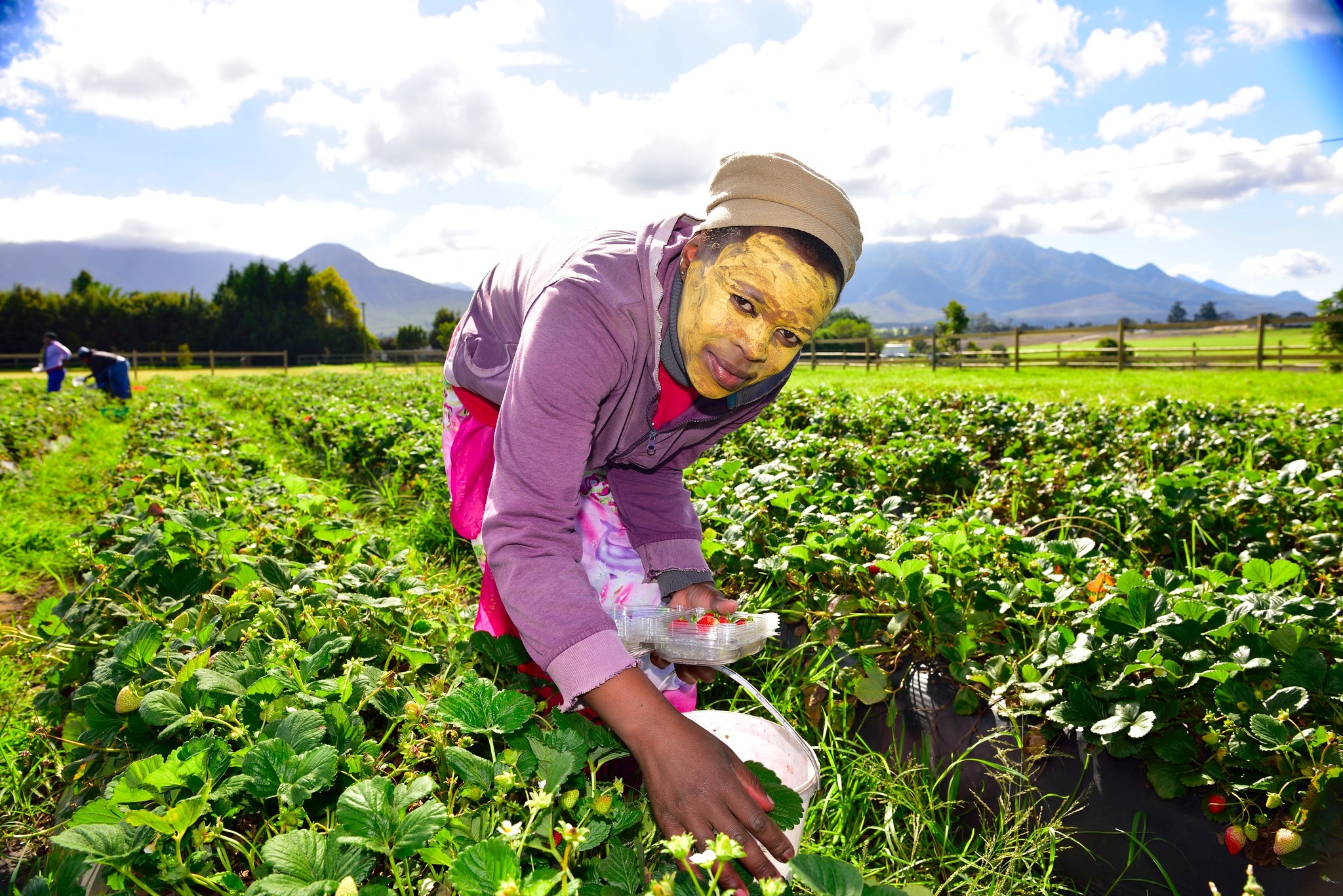
“The CSIR has developed bio-plastic crop covers that enhance agricultural productivity while reducing reliance on harmful plastics. Early trials in South Africa show promising results for climate-resilient farming, positioning the country as a leader in sustainable agri-tech innovation.”
South Africa’s agricultural sector faces mounting challenges from climate change, soil degradation, and reliance on non-biodegradable plastics. In response, the Council for Scientific and Industrial Research (CSIR) has pioneered bio-plastic crop covers, a technology designed to improve yields, conserve water, and reduce environmental harm. This innovation is part of a broader push to align South Africa’s agricultural practices with global sustainability goals.
The Science Behind Bio-Plastic Covers
Bio-plastic covers are made from biodegradable polymers sourced from renewable materials. Unlike conventional plastics, they break down naturally, leaving no toxic residue. Their design allows for:
- Moisture retention in soil, reducing irrigation needs.
- Temperature regulation, protecting crops from extreme heat.
- Weed suppression, minimizing chemical herbicide use.
These properties make bio-plastic covers a multi-functional tool for farmers seeking resilience against climate variability.
Field Trials in South Africa
CSIR conducted pilot projects across Mpumalanga and Limpopo provinces, focusing on staple crops such as maize and vegetables. Results showed:
- Yield increases of 15–20% compared to traditional methods.
- Water savings of up to 30%, critical in drought-prone regions.
- Reduced plastic waste, aligning with South Africa’s waste management targets.
Farmers reported improved crop quality and lower input costs, reinforcing the economic viability of the innovation.
Regional Impact and Global Collaboration
The project is not limited to South Africa. Trials in Ghana and Nigeria demonstrated similar benefits, suggesting scalability across Africa’s diverse agricultural landscapes. CSIR’s collaboration with international climate research bodies positions South Africa as a hub for green agricultural innovation.
Policy and Economic Implications
South Africa’s government has emphasized climate-smart agriculture in its national development plans. Bio-plastic covers align with these priorities by:
- Supporting food security goals.
- Reducing reliance on imported plastics.
- Creating opportunities for local bio-plastic manufacturing industries.
This could generate jobs while advancing South Africa’s circular economy strategy.
Challenges and Risks
Despite its promise, the technology faces hurdles:
- Cost of production remains higher than conventional plastics.
- Farmer adoption depends on awareness and training.
- Supply chain development for bio-plastic materials is still in early stages.
Addressing these challenges will require public-private partnerships and targeted subsidies.
Future Outlook
CSIR plans to expand trials and integrate bio-plastic covers into large-scale commercial farming. With continued investment, South Africa could become a global leader in sustainable agri-tech exports, offering solutions to countries grappling with similar climate challenges.
Conclusion
The CSIR’s bio-plastic crop covers represent a transformative step in South Africa’s environmental and agricultural innovation landscape. By merging science, sustainability, and economic opportunity, this breakthrough could redefine farming practices across Africa and beyond.



