




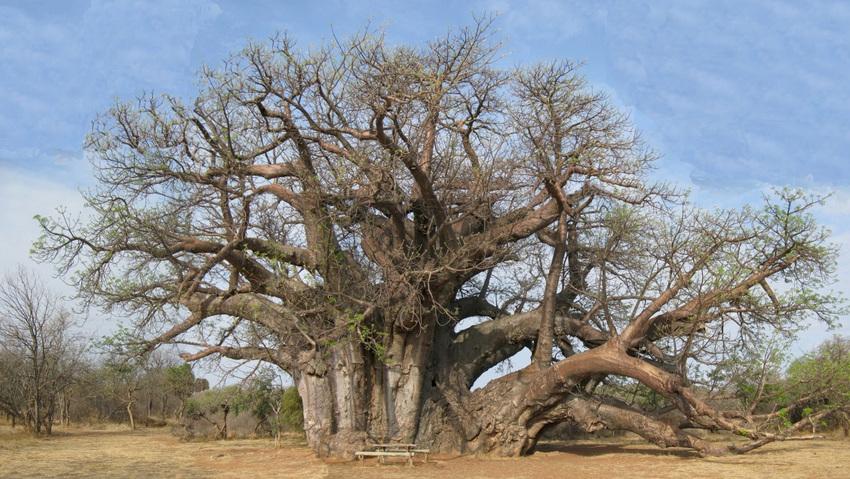
A baobab seizure in South Africa has brought renewed attention to the environmental and economic risks associated with the trade in living trees, particularly when harvesting, transportation and commercial activity threaten ecological sustainability. The incident highlights the importance of strengthening biodiversity protection, monitoring plant movements and safeguarding rural communities whose livelihoods depend on the sustainable management of indigenous natural resources.”
South Africa’s Baobab Seizure Exposes Environmental Risks of the Living Tree Trade
Introduction
South Africa’s seizure of five protected baobab trees destined for export has renewed concerns about biodiversity conservation, environmental protection and the commercial exploitation of indigenous natural resources. The incident, involving trees reportedly uprooted in Limpopo’s Waterberg District and intercepted in Durban, highlights the challenges associated with protecting valuable ecosystems while supporting sustainable economic development.
The case has attracted attention because baobabs are among Africa’s most recognisable indigenous tree species. Their ecological importance, cultural significance and contribution to rural livelihoods make them valuable natural assets that cannot easily be replaced once removed from their original environments.
The attempted export has consequently raised questions about environmental legislation, biodiversity monitoring, ecological restoration and the responsibilities of businesses involved in the international trade of living trees.
Protected Baobabs Intercepted in Durban
The investigation centres on five mature baobab trees that were reportedly removed from the Lephalale Local Municipality in Limpopo’s Waterberg District before being transported to Durban for shipment to Georgia.
South Africa’s Department of Forestry, Fisheries and the Environment confirmed that the exporter failed to produce the necessary permits authorising the removal, possession, transportation and export of the protected trees.
According to reporting published by Daily Maverick, the trees were intercepted at a Durban logistics warehouse in July 2026. Authorities subsequently opened a criminal investigation into alleged violations of environmental legislation.
The exporter reportedly applied for retrospective authorisation after the interception. However, the department rejected the application, explaining that it would not issue permits to regularise activities suspected of being unlawful.
The case demonstrates the importance of enforcing environmental legislation before protected natural resources are removed from their original locations.
Environmental Significance of Baobab Trees
Baobabs, scientifically known as Adansonia digitata, are iconic African trees recognised for their enormous trunks, distinctive branches and exceptional longevity.
Some specimens can survive for centuries, with certain trees potentially reaching ages exceeding 1,000 years under suitable conditions.
Their ecological importance extends beyond their physical appearance. Baobabs provide food, shelter and habitat for numerous organisms, contributing to biodiversity in landscapes where environmental conditions can be particularly challenging.
Their flowers, fruits and other biological features support interactions between plants, insects, birds and mammals.
Baobab trees also contribute to the ecological character of African drylands, where indigenous vegetation plays important roles in maintaining environmental stability.
Removing mature specimens can therefore affect more than individual trees. It may alter local ecological relationships and remove valuable biological resources from landscapes that have developed around them.
Biodiversity Conservation and Environmental Regulation
South Africa maintains legislation intended to protect indigenous forests and specially protected tree species.
The National Forests Act regulates activities involving protected trees, including cutting, damaging, disturbing, transporting, selling and exporting them without appropriate authorisation.
The baobab species is also protected under provincial legislation in Limpopo.
According to DFFE statements reported by Daily Maverick, the exporter did not obtain the necessary provincial permit either.
The alleged violations illustrate why environmental protection requires coordination between national and provincial authorities.
Effective enforcement depends on identifying protected species, monitoring their movements, maintaining reliable permit systems and ensuring that commercial operators understand their legal obligations.
Environmental authorities must also investigate suspected violations and establish accountability where legislation has been breached.
The Durban case provides an example of how enforcement interventions can prevent protected natural resources from leaving the country without proper authorisation.
The Scientific Challenges of Relocating Mature Trees
One of the most pressing environmental concerns involves the survival of the five seized trees.
Reports indicate that the baobabs were transported with substantial portions of their roots and branches removed.
They subsequently remained at a Durban warehouse while legal proceedings and regulatory investigations continued.
Specialists have expressed concern about their storage conditions and the potential consequences of prolonged exposure to heat and inadequate protection.
Relocating mature trees is technically demanding because their survival depends on multiple biological and environmental factors.
These include root-system integrity, moisture availability, temperature conditions, transportation methods and the suitability of the receiving environment.
Even when a tree appears physically intact, extensive damage to its root system can compromise its ability to absorb water and nutrients.
Consequently, successfully preventing an export does not automatically guarantee successful conservation.
The trees may require specialist assessment, careful handling and a suitable rehabilitation environment before they can be replanted.
Environmental restoration authorities must therefore consider both the legal status of seized specimens and their biological condition.
Rural Livelihoods and the Economic Value of Baobabs
The incident also highlights the economic importance of baobabs to rural African communities.
Baobab fruit, seeds and other products are used in food production, cosmetics and traditional applications.
The fruit contains nutrients that have attracted increasing interest from domestic and international markets.
In several African countries, communities participate in harvesting, processing and marketing baobab products.
These activities can provide income opportunities, particularly for rural producers and small enterprises.
Research and development initiatives have demonstrated that sustainable baobab value chains can contribute to economic resilience while maintaining the ecological value of indigenous trees.
However, the distribution of benefits depends on market access, processing infrastructure, fair commercial arrangements and sustainable harvesting practices.
The removal of mature trees for landscaping or ornamental purposes can create a different economic outcome from harvesting renewable products.
A mature baobab may provide recurring benefits to communities through fruit production and other ecosystem services over many generations.
Once uprooted, those benefits may be lost or transferred away from the landscape where they originated.
This raises important questions about how environmental legislation should account for the economic and ecological value of indigenous natural resources.
International Trade and Conservation Concerns
South Africa’s investigation also reflects wider concerns about the international trade in living African trees.
A similar controversy involving baobabs exported from Kenya to Georgia attracted attention after reports indicated that the imported trees subsequently died.
The Kenyan case raised questions about the environmental sustainability of transporting mature trees across international borders.
The South African investigation demonstrates that the issue is not limited to one country or one shipment.
International demand for mature indigenous trees can create incentives for commercial extraction, particularly where wealthy buyers seek distinctive landscaping specimens.
Although commercial horticulture can support legitimate economic activity, the trade in protected species requires safeguards that prevent ecological damage.
These safeguards should include appropriate permits, scientific assessments, responsible transportation practices and monitoring of the receiving environment.
Countries exporting indigenous trees also need mechanisms that ensure local communities benefit fairly from commercial activity involving their natural resources.
Environmental Monitoring and Scientific Research
The baobab incident highlights the importance of strengthening environmental monitoring systems.
Scientific assessments can help authorities identify protected trees, document their condition and evaluate the ecological consequences of proposed removals.
Modern environmental monitoring increasingly combines field observations, geographic information systems, satellite imagery and biodiversity databases.
These technologies can support conservation planning by improving information about vegetation distribution, habitat condition and environmental changes.
However, remote monitoring cannot replace physical inspections and scientific assessments when individual protected trees are involved.
Authorities also require reliable information about ownership, harvesting activities, transportation routes and permit compliance.
Combining scientific monitoring with environmental enforcement can improve the protection of vulnerable ecosystems and indigenous species.
Conservation Policy and Sustainable Development
The incident presents an important policy challenge for South Africa.
Environmental protection must operate alongside economic development, rural employment and legitimate commercial opportunities.
A balanced approach requires distinguishing sustainable utilisation from activities that threaten biodiversity or undermine environmental legislation.
Government agencies can strengthen conservation outcomes by improving permit transparency, monitoring commercial operations and supporting sustainable indigenous product industries.
Community participation is equally important.
Local residents often possess valuable knowledge about indigenous vegetation, environmental conditions and traditional resource management.
Including communities in conservation planning can improve environmental governance while creating opportunities for sustainable economic development.
The protection of baobabs should therefore be understood as part of a broader strategy to safeguard natural capital and support resilient rural livelihoods.
Conclusion
South Africa’s baobab seizure provides an important reminder that biodiversity conservation extends beyond protecting wildlife and designated natural areas.
Indigenous trees are living environmental assets that support ecological relationships, cultural heritage and economic activity.
The investigation into the attempted export of five protected baobabs demonstrates the importance of environmental legislation, scientific monitoring and responsible commercial practices.
However, the ultimate conservation outcome will depend on whether the trees can survive, whether authorities establish accountability and whether future trade is managed sustainably.
Protecting Africa’s natural heritage requires a long-term commitment to environmental science, effective governance and community participation.
For South Africa, ensuring that mature baobabs remain part of their original landscapes could help preserve biodiversity while supporting the sustainable economic opportunities associated with indigenous natural resources.



