




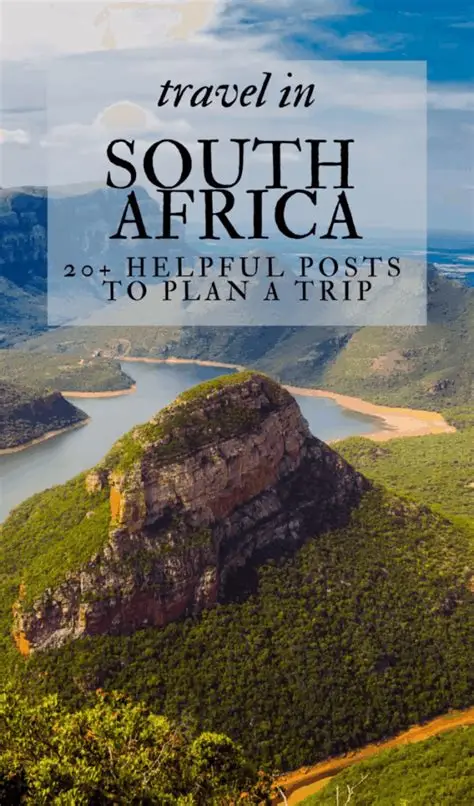
“South Africa continues to attract millions of visitors in 2026, but updated advisories highlight the need for vigilance against crime, careful transport planning, and awareness of power outages. At the same time, embracing cultural traditions like the braai and learning local etiquette can make travel more rewarding.”
South Africa remains one of Africa’s most captivating destinations, offering breathtaking landscapes, vibrant cities, and rich cultural heritage. Yet, as of July 2026, updated travel advisories and firsthand accounts from seasoned travelers emphasize the importance of preparation, awareness, and cultural sensitivity. This article provides a comprehensive roadmap for travelers seeking both safety and enrichment during their journey.
Safety First: Navigating Crime and Security
- High crime rates persist in Johannesburg, Cape Town, and Durban. Risks include robbery, carjacking, ATM fraud, and drink spiking.
- Smash-and-grab thefts at intersections remain common; travelers should keep valuables out of sight.
- Transport disruptions due to protests or roadblocks are frequent. Stick to major roads and monitor local media.
- Wildlife areas like Kruger National Park require caution, as opportunistic criminals target tourist vehicles near entry gates.
Cultural Immersion: Embracing Local Traditions
- Braai culture is central to South African hospitality. Participating in a braai offers travelers a chance to connect with locals.
- Cuisine highlights include bobotie, koeksisters, and ostrich meat. Vegetarians will find options, especially in the Western Cape.
- Language and etiquette: English is widely spoken, but learning basic Afrikaans or Zulu greetings enhances interactions. Respect for diversity is essential in a nation with 11 official languages.
Practical Travel Tips
- Load-shedding awareness: Power outages are routine. Carry power banks and confirm accommodation backup systems.
- Airports: OR Tambo (Johannesburg), King Shaka (Durban), and Cape Town International are primary entry points. Choosing the right airport saves time and money.
- Transport: Car rentals are popular, but avoid driving at night in rural areas. Ride-hailing apps are safer alternatives in cities.
- Budgeting: A three-day safari in Kruger costs around 12,000 ZAR, while budget travelers can stretch funds using hostels and public transport.
Health and Climate Considerations
- Malaria risk exists near Kruger National Park; prophylaxis may be necessary.
- Tap water is safe in most cities, but bottled water is advisable in rural areas.
- Essentials include sunscreen, insect repellent, and lightweight clothing. Summers are hot, winters mild, making year-round travel possible.
Visa and Entry Requirements
- Most Western travelers enjoy 90 days visa-free entry. Immigration officers may request proof of accommodation and onward travel.
- Border crossings vary: Beitbridge (Zimbabwe) can take up to 4 hours, while Botswana and Namibia crossings are faster.
Currency and Payments
- The local currency is the South African Rand (ZAR), currently valued at R18 to $1.
- Credit cards are widely accepted in cities, but cash is essential in rural areas.
- Travelers should notify banks before departure to avoid card blocks.
Conclusion
South Africa in 2026 offers unparalleled opportunities for adventure and cultural immersion. Yet, the latest advisories underscore that preparation is the key to enjoying this diverse country safely and smoothly. By balancing vigilance with openness to local traditions, travelers can ensure a rewarding journey that captures the essence of South Africa.



