




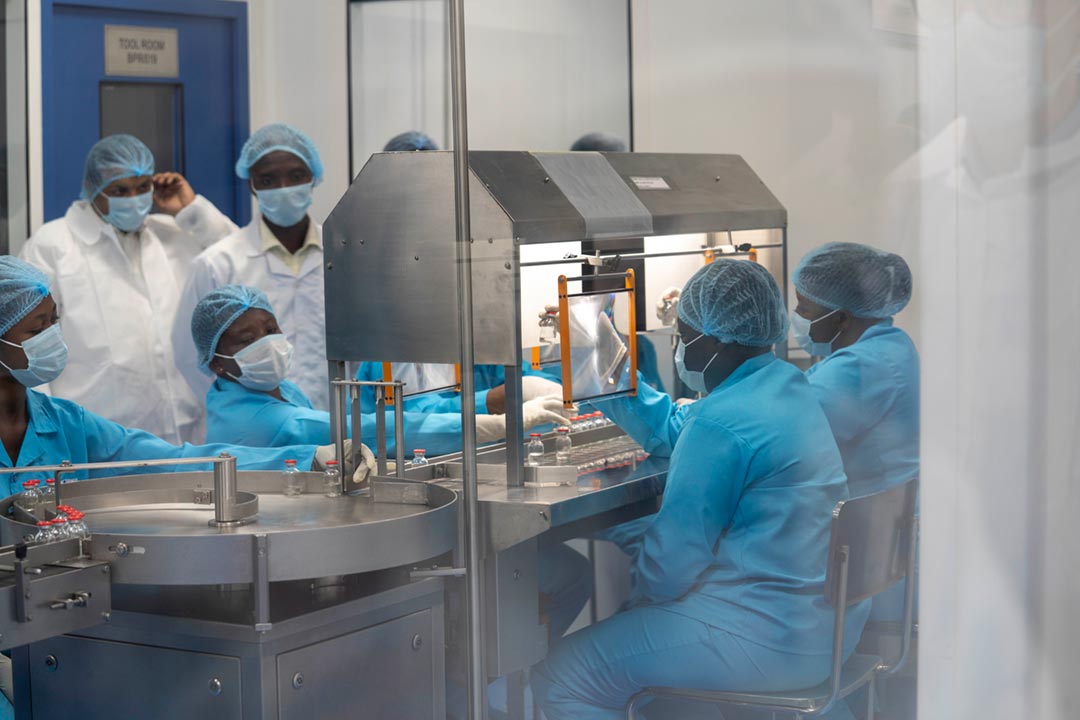
“Biovac, backed by the European Investment Bank, IFC, and the European Commission, will construct Africa’s first comprehensive multi-vaccine manufacturing facility in South Africa, expected to be operational by 2028. The plant will initially produce oral cholera vaccines before expanding to polio, pneumonia, and meningitis, with an annual output of up to 40 million doses.”
South Africa has taken a historic step toward reshaping Africa’s biotechnology and health security landscape. On 21 September 2026, Biovac, in partnership with the European Investment Bank (EIB), International Finance Corporation (IFC), and the European Commission, announced the construction of Africa’s first end-to-end multi-vaccine manufacturing facility. This initiative is not only a milestone for South Africa but also a transformative development for the entire continent, which has long struggled with vaccine access and dependency on imports.
Background and Context
Africa’s vulnerability during the COVID-19 pandemic highlighted the urgent need for local vaccine production. Despite progress in limited manufacturing, the continent still imports the majority of its vaccines. This dependency has left millions exposed to preventable diseases and delayed immunization campaigns. The Biovac project directly addresses this gap by creating a facility capable of producing multiple vaccines locally, thereby reducing reliance on external supply chains.
Financing and Partnerships
The project is supported by a €75 million quasi-equity investment from the EIB Group, alongside a $20 million senior loan mobilized by IFC. Additional funding is expected through the European Commission’s Human Development Accelerator program, part of the EU’s Global Gateway strategy. This collaboration reflects the Team Europe initiative, which emphasizes health sovereignty, economic development, and sustainable partnerships in Africa.
Production Capacity and Scope
The facility will begin by manufacturing oral cholera vaccines, a critical intervention given Africa’s recurring cholera outbreaks. Once operational, production will expand to include polio, pneumonia, and meningitis vaccines, with an estimated annual output of 30–40 million doses. This capacity could close 40% of the global cholera vaccine supply gap, ensuring Africa is not left behind in global immunization efforts.
Economic and Social Impact
The project is expected to create 340 skilled jobs directly and 7,000 indirect jobs across supply chains. Beyond employment, it will foster technology transfer, skills development, and innovation ecosystems. By training African scientists and technicians, the facility will build long-term resilience and reduce dependence on foreign expertise.
Strategic Importance
- Health Security: Ensures reliable vaccine supply for Africa.
- Economic Growth: Strengthens biotechnology as a driver of industrial competitiveness.
- Global Partnerships: Aligns with the African Union’s Vision 2040 to achieve 60% local vaccine production.
- Sustainable Development: Supports UN Sustainable Development Goals on health, industry, and partnerships.
Voices from Stakeholders
- Morena Makhoana (Biovac CEO): Emphasized the importance of securing Africa’s vaccine supply and driving innovation.
- Nadia Calviño (EIB President): Highlighted the life-saving potential of the project for millions of children.
- Jozef Síkela (European Commissioner): Framed the investment as a practical example of the EU’s Global Gateway strategy.
- Ethiopis Tafara (IFC VP Africa): Stressed that local manufacturing is both a development priority and a strategic resilience investment.
Challenges and Risks
While the project is groundbreaking, challenges remain:
- Infrastructure readiness: Ensuring timely completion by 2028.
- Supply chain integration: Aligning raw material sourcing with local production.
- Regulatory frameworks: Harmonizing African standards with global vaccine approval processes.
- Sustainability: Maintaining funding and operational efficiency beyond initial donor support.
Conclusion
The Biovac multi-vaccine plant represents a turning point for Africa’s biotechnology sector. By combining international financing, local expertise, and strategic partnerships, South Africa is positioning itself as a continental leader in vaccine production. This initiative will not only save lives but also empower Africa to chart its own path toward health sovereignty and industrial competitiveness.



