




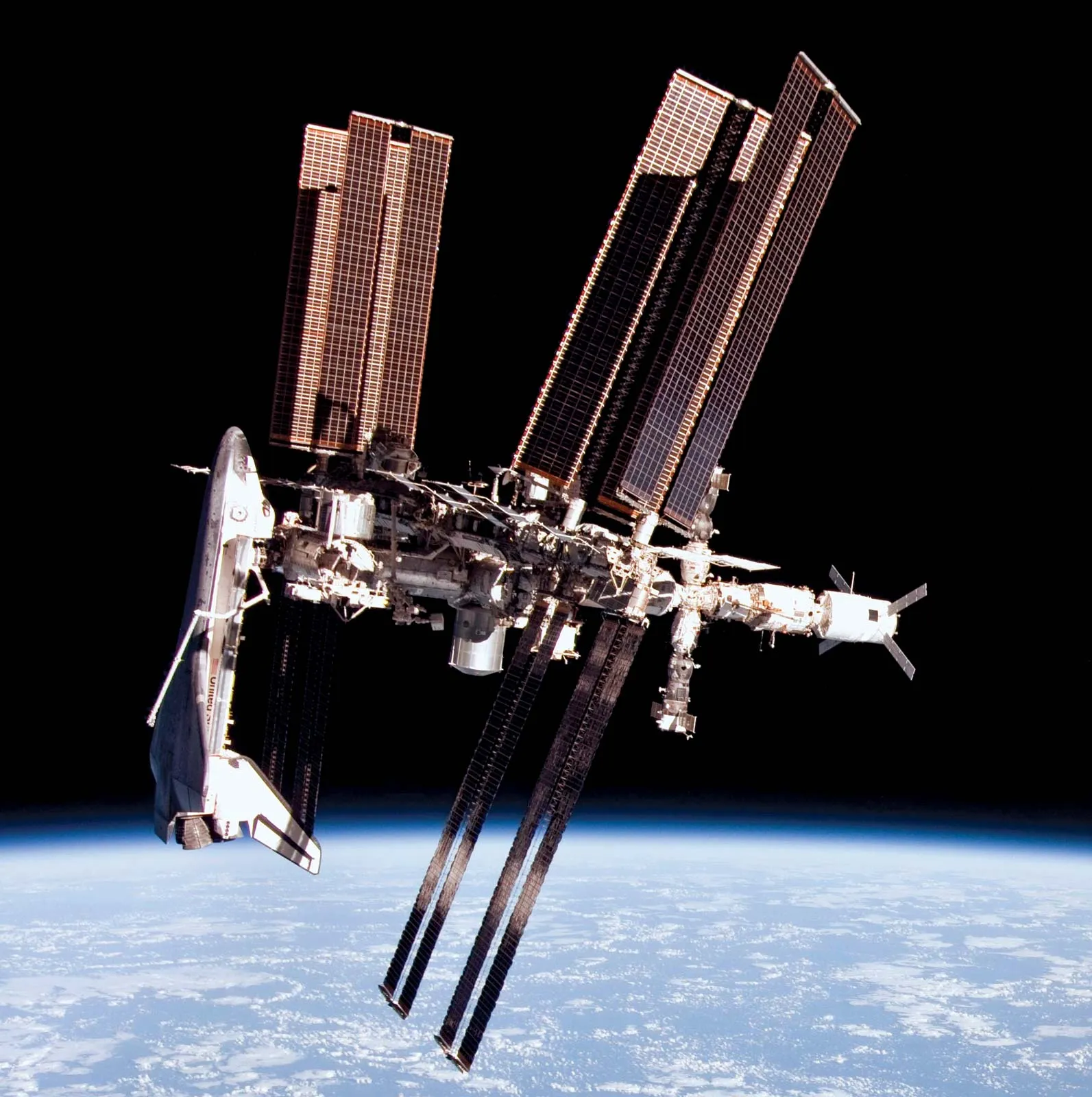
“South Africa has launched the Rooibos in Space programme, sending Rooibos seeds to the ISS to study their growth under microgravity and radiation. The initiative combines STEM education, agricultural innovation, and space research, engaging learners from the Cederberg region in hands-on scientific experiments.”
South Africa has taken a bold step in merging its agricultural heritage with cutting-edge space science. The Rooibos in Space programme, launched in September 2026, represents a pioneering effort to explore how indigenous plants respond to extraterrestrial environments. This initiative, spearheaded by the South African Rooibos Council (SARC) in collaboration with MaxIQ Space and supported by the South African National Space Agency (SANSA), is not only a scientific experiment but also a powerful educational tool designed to inspire the next generation of researchers and innovators.
Background and Significance
Rooibos, a plant native to the Cederberg region, is globally recognized for its health benefits and cultural importance. By sending Rooibos seeds to the International Space Station (ISS), South Africa joins a growing international movement focused on plant biology in space. The experiment will expose seeds to microgravity and space radiation, conditions vastly different from Earth, before returning them for comparative studies. This research is crucial for future space missions, where sustainable agriculture will play a vital role in supporting human life beyond Earth.
Educational Component
One of the most remarkable aspects of the project is its emphasis on STEM education. Learners from seven schools in the Cederberg region will actively participate in the scientific process. They will plant the returned seeds alongside control samples, monitor germination rates, analyze growth patterns, and assess resilience. This hands-on involvement transforms students into young scientists, bridging the gap between classroom learning and real-world research. A parallel experiment at Parklands College in Cape Town ensures broader participation and comparative data collection.
Scientific Goals
The Rooibos experiment aims to answer critical questions:
- How does microgravity affect seed germination?
- What impact does space radiation have on plant resilience?
- Can Rooibos contribute to sustainable life-support systems in space?
These questions align with global priorities in space exploration. As missions to the Moon, Mars, and beyond become more feasible, the need for self-sustaining agricultural systems grows. Plants capable of producing food, generating oxygen, and supporting crew wellbeing are essential for long-duration missions.
Broader Context
Internationally, space agencies such as NASA and ESA have invested heavily in plant biology research. South Africa’s Rooibos project adds a unique dimension by focusing on an indigenous plant with cultural and economic significance. According to Dawie de Villiers, director of the SARC, this initiative reflects the industry’s commitment to innovation, education, and applied research. It also underscores the importance of investing in scientific literacy and skills development for future generations.
Economic and Social Impact
Beyond science and education, the Rooibos in Space programme has broader implications:
- Agricultural innovation: Insights gained from the experiment could enhance Rooibos farming practices on Earth.
- STEM empowerment: By involving schools, the project fosters interest in science and technology among young learners.
- Global recognition: South Africa positions itself as a leader in combining agriculture and space research, strengthening its role in the emerging space economy.
Future Prospects
The Rooibos seeds are scheduled to launch to the ISS in October 2026, where they will remain for several weeks before returning to Earth. The results of the experiment will be closely monitored, with findings expected to contribute to both local agricultural practices and international space research. If successful, Rooibos could become part of future off-Earth living systems, symbolizing South Africa’s contribution to humanity’s journey into space.
Conclusion
The Rooibos in Space programme is more than a scientific experiment—it is a symbol of South Africa’s ability to innovate, educate, and inspire. By linking agriculture, space science, and STEM education, the initiative demonstrates how local heritage can contribute to global challenges. As Rooibos seeds journey to the ISS, they carry with them the hopes of a nation eager to explore new frontiers while nurturing the next generation of scientists.



