




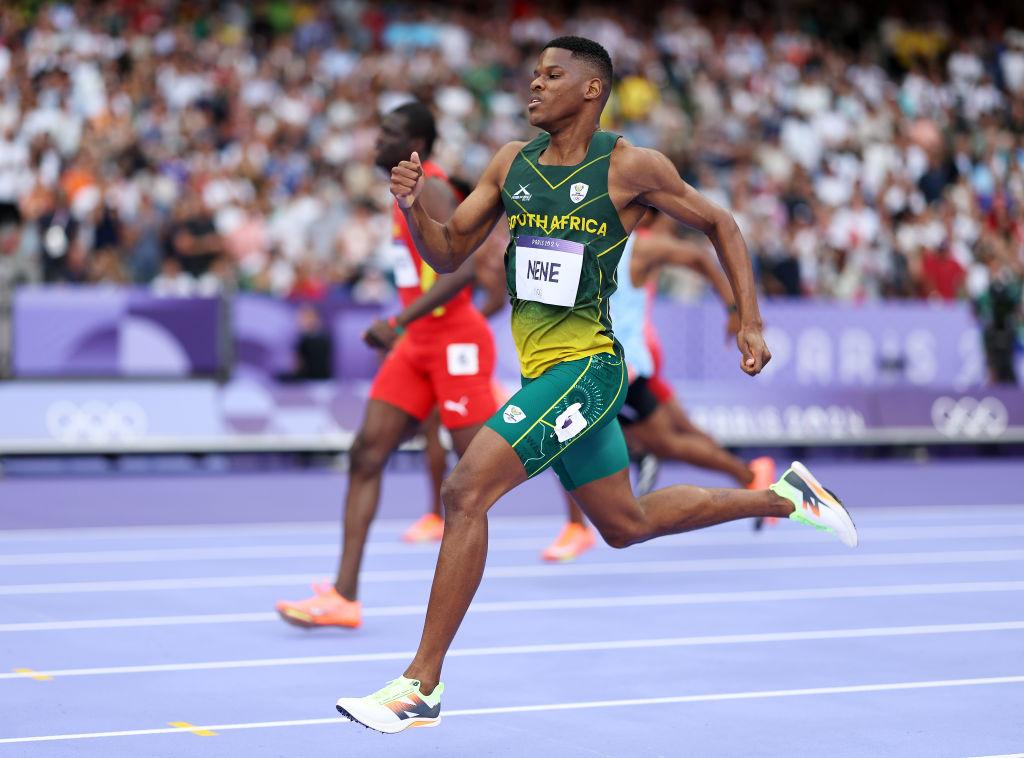
“Athletics South Africa (ASA) has accelerated efforts to implement governance reforms demanded by World Athletics, following leadership controversies and the removal of suspended president James Moloi. Jean Verster’s appointment as acting president and the forthcoming constitutional reforms are crucial steps towards restoring stability, protecting South African athletes’ international participation and strengthening the future of athletics in the country.”
Athletics South Africa’s Governance Crisis and Leadership Reforms Put the Future of South African Athletes in Focus
Athletics South Africa (ASA) is entering a critical period in its institutional history as it works to implement governance reforms demanded by World Athletics. The appointment of Jean Verster as acting president, the planned constitutional overhaul and the preparation of a new organisational roadmap represent significant developments for a federation facing serious administrative challenges. While these changes are primarily taking place within the governing structure, their consequences extend across South African athletics, from elite international competitors to developing athletes, coaches, clubs and grassroots programmes.
The reform process has become increasingly urgent following World Athletics’ intervention in October, when the international governing body instructed ASA to address leadership concerns, revise its constitution and organise fresh elections. The federation faces the possibility of international sanctions if it fails to satisfy the requirements within the prescribed timeframe. Consequently, the coming weeks and months will be important for determining whether South African athletics can restore confidence and establish a more stable administrative foundation.
Jean Verster Appointed Acting President
On 2 November 2026, Athletics South Africa announced that Jean Verster had been appointed acting president with immediate effect. Verster, who serves as the federation’s chairperson of track and field, was selected during an ASA board meeting held on 30 October.
The appointment followed the departure of John Mathane, who had been serving as acting president after James Moloi’s suspension. According to ASA’s announcement, Verster accepted responsibility for providing interim leadership and facilitating the organisation’s governance and compliance processes.
His appointment is temporary. ASA indicated that the arrangement would remain in place until its council meeting scheduled for 28 November 2026. At that meeting, the council, which serves as the federation’s supreme decision-making body, is expected to consider the interim leadership arrangement and determine the next steps.
The leadership transition reflects the pressure on ASA to demonstrate that it can respond effectively to concerns raised by World Athletics and the Confederation of African Athletics.
World Athletics Demands Comprehensive Governance Reform
The leadership changes follow a significant intervention by World Athletics in October.
A fact-finding mission led by Zakhele Dlamini, president of the Southern African Confederation of Athletics and vice-president of the Confederation of African Athletics, reportedly identified serious deficiencies in ASA’s governance and functioning.
World Athletics highlighted institutional instability, divisions within the executive board, difficulties with collective decision-making and uncertainty regarding the authority of elected officials. The organisation also raised concerns about overlapping responsibilities at national and provincial levels and potential conflicts of interest.
These challenges, according to World Athletics, have affected ASA’s ability to fulfil its constitutional responsibilities effectively, including obligations towards athletes.
The international governing body subsequently instructed ASA to implement the findings of an independent disciplinary panel concerning suspended president James Moloi. The panel, chaired by retired judge Basheer Waglay, found Moloi guilty of charges involving the misuse of ASA funds and recommended his removal from the presidency and executive board.
World Athletics also established a roadmap requiring ASA to revise its constitution within six months. Following adoption of the revised constitution, fresh elections must be organised within a further three months.
Failure to comply could result in the matter being referred to the World Athletics Council for consideration of sanctions.
Constitutional Changes at the Centre of the Reform Process
The proposed constitutional revision is one of the most important elements of ASA’s reform programme.
World Athletics has emphasised that the federation’s council must be clearly established as its supreme decision-making authority. Voting rights should belong to duly accredited representatives of constituent members rather than being automatically extended to individuals because they occupy executive or appointed positions.
The international governing body has also called for clearer rules preventing individuals from exercising multiple votes or representing more than one constituency at the same meeting.
Such provisions are intended to strengthen accountability, prevent conflicts of interest and ensure that governance decisions are made through transparent and legitimate processes.
ASA’s existing draft constitution reportedly contains improvements, but World Athletics believes additional changes are necessary to meet fundamental governance principles.
The proposed reforms therefore extend beyond replacing individual leaders. They seek to address structural weaknesses that could otherwise continue to undermine the federation.
Strategic Planning Meeting Scheduled for November
ASA has also announced plans for a comprehensive strategic planning meeting from 13 to 15 November 2026.
The meeting, involving Verster and other federation representatives, is expected to focus on finalising an organisational roadmap for governance and operational alignment with World Athletics and the Confederation of African Athletics.
The roadmap will subsequently be presented to the ASA council for consideration and formal adoption before being submitted to the international and continental governing bodies.
The planning process is expected to establish priorities, clarify responsibilities and identify practical steps for implementing the required reforms.
For the federation, the exercise presents an opportunity to demonstrate that it can move beyond administrative uncertainty towards a more coherent and accountable operating structure.
Why the Crisis Matters to South African Athletes
Although the controversy concerns federation leadership, athletes remain among the most important stakeholders affected by the outcome.
South Africa has established itself as a competitive athletics nation, producing internationally recognised sprinters, distance runners, relay teams and field-event competitors. Its athletes regularly participate in continental championships, global competitions and international road-running events.
However, international athletics participation depends on functioning national federations and compliance with the rules established by World Athletics.
If ASA were to face serious sanctions, athletes could experience uncertainty regarding international representation, competition opportunities and administrative support. Such consequences would potentially affect elite competitors as well as younger athletes seeking progression through national development programmes.
The prospect of sanctions therefore makes the reform process particularly important.
Maintaining uninterrupted opportunities for athletes should remain a central consideration throughout the transition.
South Africa’s Road Running and Track Development Remain Important
Despite the administrative difficulties, athletics activity continues across the country.
The 2026 Region 5 Marathon in Pretoria, held on 1 November, brought together elite and recreational runners in a regional road-running competition. According to the Department of Sport, Arts and Culture, the event included athletes from ten Southern African nations and offered competitions over several distances.
The event carried a total prize purse of R437,000, with substantial rewards available to half-marathon winners.
Meanwhile, South African road-running programmes continue to attract prominent competitors. Glenrose Xaba, Kabelo Mulaudzi, Elroy Gelant and other leading athletes remain important figures in the country’s competitive running environment.
The upcoming Boxer Super Run Johannesburg event on 15 November is also expected to attract a strong field. SABC Sport reported that Cacisile Sosibo intends to finish her season strongly at the event, where she will compete against familiar rivals.
These competitions illustrate the continuing enthusiasm and competitive depth within South African athletics.
Grassroots Development and Infrastructure Challenges
South African athletics depends on more than national-team performances.
Schools, provincial associations, local clubs, coaches and families provide the foundations for identifying and developing future champions. Track competitions, cross-country events and community road races enable young athletes to gain experience and improve their abilities.
Nevertheless, development opportunities remain uneven.
A report published by the Daily Dispatch on 5 November highlighted the importance of planning for the 2027 athletics season, particularly in Border Athletics. It also drew attention to deteriorating municipal sporting infrastructure, including concerns surrounding Jan Smuts Stadium.
The article emphasised that private initiatives, school facilities and cooperation between coaches, families and athletics leaders can help sustain opportunities for developing athletes.
These challenges reinforce the importance of effective administration at every level of the sport.
A stable national federation can support provincial organisations, strengthen competition structures and help ensure that development programmes receive the attention they require.
The Road Ahead for Athletics South Africa
The immediate priorities for ASA are clear.
The federation must continue implementing the leadership changes, finalise the organisational roadmap, address constitutional requirements and prepare for the council meeting on 28 November.
The six-month constitutional deadline established by World Athletics makes the process time-sensitive. In addition, the requirement for fresh elections following constitutional adoption places further responsibility on ASA to establish a transparent and credible timetable.
The reform programme will ultimately be judged by its implementation rather than its announcements.
Athletes, coaches, clubs and administrators will be looking for meaningful improvements in decision-making, accountability and organisational stability.
Conclusion: A Defining Moment for South African Athletics
Athletics South Africa’s governance reforms represent a defining moment for the country’s athletics community.
Jean Verster’s appointment as acting president provides temporary leadership during a period of institutional uncertainty, while the planned constitutional revision offers an opportunity to address longstanding structural concerns.
The stakes extend far beyond the federation’s boardroom. South African athletes need a reliable organisation capable of supporting their ambitions, protecting their competitive opportunities and developing the next generation of talent.
With international scrutiny continuing and important deadlines approaching, ASA must demonstrate that reform can produce lasting improvements.
For South African athletics, the objective is clear: restore confidence in governance, protect athletes’ interests and ensure that the country’s competitive traditions continue to flourish at every level of the sport.



