




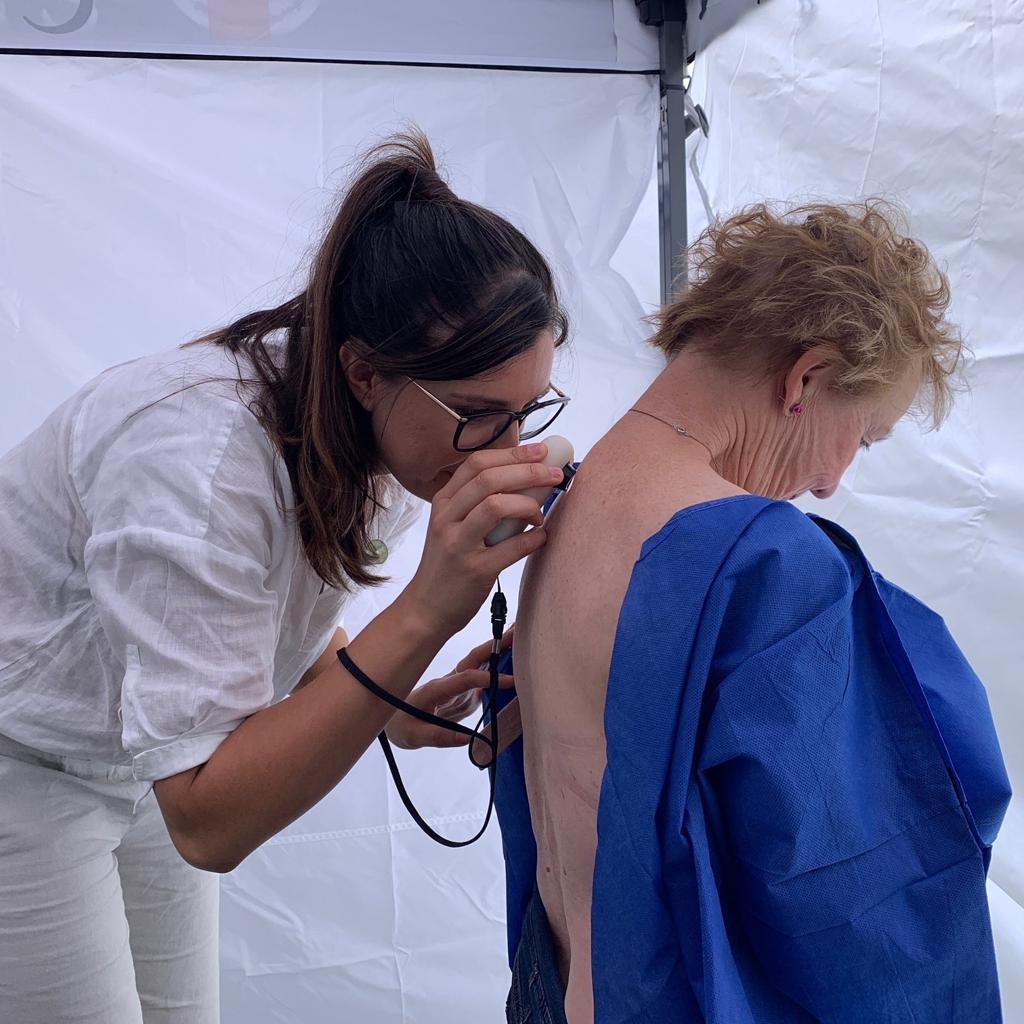
“A South African skin-health and wellness campaign has combined community exercise with free skin screenings, giving people an opportunity to take part in a 5km run while also checking for potentially suspicious skin lesions. The initiative screened 306 people across Cape Town, Johannesburg and Durban, with 48 suspicious lesions detected and 15.7% of those screened flagged for further evaluation, highlighting the role of prevention and early detection in everyday wellness.”
South Africa’s approach to wellness is increasingly extending beyond traditional ideas of fitness and healthy eating to include preventive healthcare, regular screening and greater awareness of health risks. A recent skin-health initiative illustrates that approach by combining physical activity with accessible medical screening, encouraging people to make health checks part of their ordinary lifestyles rather than waiting until they develop obvious symptoms.
The BIODERMA Skin Health Circuit, held during September in Cape Town, Johannesburg and Durban, brought together community running and free skin-screening opportunities. The initiative’s final event took place in Durban, following earlier events at Canal Walk in Cape Town and Sandton Gate in Johannesburg. The campaign was built around the message “Catch the rays, not the risk” and focused attention on the importance of protecting skin from ultraviolet radiation while enjoying outdoor activities.
The wellness concept behind the campaign is significant because exercise and preventive healthcare are often discussed separately. Participants could take part in a 5km community fun run, while people who were not running could also access screening. According to IOL’s report, 306 people were screened during the initiative, with 48 suspicious lesions identified. Overall, 15.7% of those screened were flagged for additional evaluation. Johannesburg recorded the highest flag rate at 18.9%, followed by Durban at 16.2% and Cape Town at 12.7%.
These figures do not mean that every flagged lesion was cancerous. A screening result is an indication that further professional assessment may be appropriate, rather than a diagnosis. Nevertheless, the results demonstrate why screening can form an important part of personal wellness, particularly when people may otherwise overlook changes to their skin.
Why skin wellness matters in South Africa
South Africa’s sunny climate creates significant exposure to ultraviolet radiation, making sun protection an important part of preventive health. Health-e News reported this week that UV exposure is a major preventable risk factor for skin cancer and advised people to use sun protection, seek shade and pay attention to suspicious changes in their skin.
Skin cancer can begin with a relatively small change. According to Health-e News, warning signs can include a sore that does not heal, a new growth, a patch that repeatedly crusts or bleeds, or a mole that changes. Importantly, potentially concerning skin changes can initially be painless, meaning that people should not necessarily wait for pain before seeking medical advice.
This makes awareness particularly important. Wellness is not simply about feeling healthy; it also involves recognising potential health problems early and seeking appropriate professional assistance.
The Cancer Association of South Africa, or CANSA, similarly encourages regular health checks and cancer screening. Its guidance says skin self-examination should take place monthly and notes that annual mole and skin analysis can help identify abnormalities requiring further attention. CANSA also provides clinical mole analysis and FotoFinder mole analysis at its care centres, with referrals available when further medical investigation is needed.
Bringing screening into community spaces
One of the notable features of the BIODERMA Skin Health Circuit was the decision to combine screening with a familiar community activity. Rather than presenting healthcare as something that only happens inside a clinic or hospital, the initiative incorporated screening into a recreational environment.
The 5km events were organised with Sunday Shuffle, giving participants an opportunity to exercise in a social setting. IOL reported that the events were designed to create an energetic and approachable atmosphere, while the screening component offered participants another reason to think about their health.
This type of approach can help make preventive health feel less intimidating. Health checks can sometimes be associated with illness or anxiety, particularly when people are worried about what a test might reveal. By incorporating screening into a community wellness event, the initiative presented health assessment as another ordinary part of looking after oneself.
The campaign also demonstrates how wellness can combine several dimensions of health. Physical activity supports general fitness, while screening focuses on prevention and early detection. Sun-safety education addresses risk reduction, and community participation can make health activities more accessible and engaging.
Early detection remains important
The importance of early detection was also emphasised by Health-e News this week. The publication reported that skin cancers identified at an earlier stage are generally easier to treat, while delayed diagnosis can result in more extensive treatment.
CANSA likewise describes early detection as an important component of effective cancer care and advises people who are concerned about symptoms to have them investigated by a health professional.
For members of the public, the message is therefore straightforward: noticing a suspicious change does not automatically mean a person has cancer, but it is a reason to seek professional assessment.
This distinction is important because wellness information should encourage awareness without creating unnecessary fear. A mole, mark or skin lesion may have many possible explanations. Only an appropriately qualified healthcare professional can assess an individual concern and determine whether additional testing is required.
Sun protection as everyday wellness
The campaign also brings renewed attention to a simple part of wellness that can easily be overlooked: sun protection.
Health-e News recommends practical measures including sunscreen, protective clothing and seeking shade, particularly when spending time outdoors. CANSA also encourages people to protect themselves from excessive sun exposure and regularly examine their skin.
For people who run, cycle, work outdoors or participate regularly in sporting activities, this message is especially relevant. Exercise has substantial health benefits, but outdoor exercise also increases the amount of time a person may spend exposed to sunlight. Good wellness practice therefore involves combining physical activity with sensible protection from environmental risks.
The same principle applies to children, outdoor workers and people who regularly spend long periods outside. Sun protection should not be viewed as something reserved for holidays or exceptionally hot days. UV exposure can occur during ordinary daily activities.
A broader definition of wellness
The Skin Health Circuit reflects a broader shift toward preventive wellness. Instead of focusing exclusively on treatment after illness occurs, preventive health encourages people to monitor their bodies, understand risk factors and seek appropriate screening.
South Africa’s National Department of Health health-awareness calendar identifies September as a month that includes several health-awareness priorities, including eye care, heart health, oral health, cervical cancer and albinism awareness. September 26 is also World Environmental Health Day and World Contraception Day.
Within this wider environment, skin health can be understood as one component of a comprehensive wellness routine.
The initiative also demonstrates the potential value of bringing health information directly into communities. When screening is accessible and presented alongside activities people already enjoy, it may encourage more people to participate.
What people can take from the campaign
The central lesson from the September campaign is not that every person should be worried about skin cancer. Rather, it is that preventive health deserves a regular place in everyday life.
People who notice a new or changing mole, a persistent sore, repeated crusting or bleeding, or another unusual skin change should seek assessment from an appropriate healthcare professional.
Regular self-checking can also help people become familiar with their own skin, making it easier to notice changes. CANSA recommends monthly self-examination and professional skin assessment where appropriate.
At the same time, sun protection can be incorporated into normal routines through sunscreen, shade and protective clothing. These measures do not replace professional screening when a concerning change appears, but they form part of a broader strategy for reducing avoidable UV exposure.
Ultimately, the BIODERMA Skin Health Circuit illustrates how wellness can bring together movement, prevention, education and early detection. Its combination of a community fun run and free screening provided participants with both a physical activity and an opportunity to pay attention to an often-overlooked aspect of health.
As South Africans spend more time outdoors during the warmer months, the message is particularly timely: staying active is important, but so is protecting the body while doing it. Wellness is not only about exercising more or eating better. It is also about noticing changes, understanding health risks and taking appropriate action early.
The 306 screenings conducted during the campaign show how community initiatives can create opportunities for people to engage with preventive healthcare. While screening results must always be interpreted by qualified professionals, the detection of suspicious lesions demonstrates why accessible screening and public awareness remain relevant components of health and wellness.
For South Africans, the practical message is simple: stay active, protect your skin, know your skin and do not ignore changes that concern you.



