




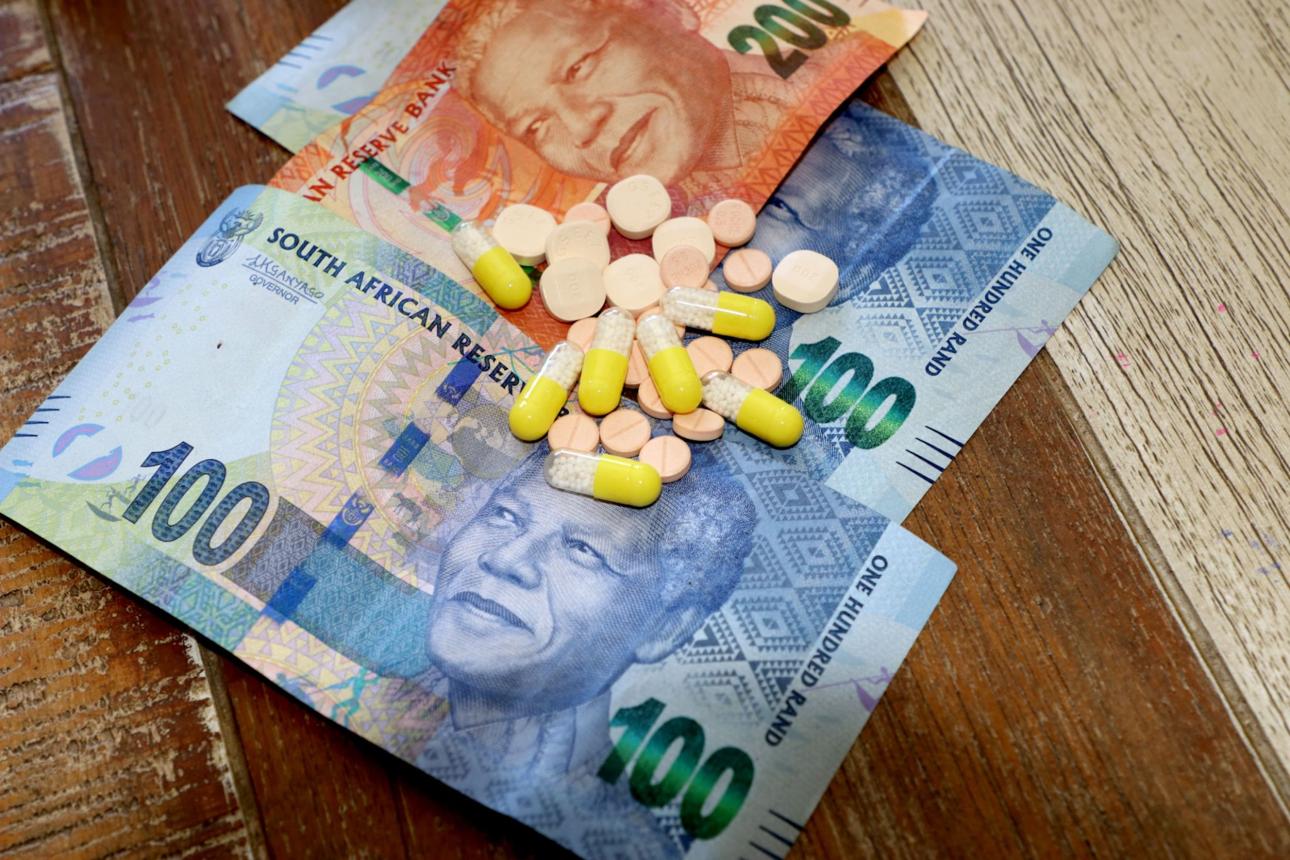
“South Africa’s medicine prices are set to increase by 2.88% from 1 October 2026, following an adjustment approved by the acting Health Minister, while pharmaceutical manufacturers warn that rising production and input costs are putting pressure on medicine availability. The development highlights a central healthcare-policy challenge: balancing affordable access to medicines for patients with the financial sustainability of manufacturers and the need to maintain reliable supplies.”
South Africa’s healthcare policy landscape is once again focusing attention on the cost and availability of medicines after the country’s pharmaceutical industry warned of growing supply pressures while a new 2.88% Single Exit Price (SEP) adjustment is scheduled to take effect on 1 October 2026. The adjustment represents the second medicine-price increase of the year and has renewed discussion about how government can protect patient access while ensuring that pharmaceutical manufacturers and importers can continue supplying the market.
The latest development is important because medicine pricing is not simply a commercial issue. It is closely connected to public health, healthcare affordability, pharmaceutical manufacturing, procurement and the country’s broader objective of achieving universal health coverage. South Africa’s Department of Health maintains a regulatory framework governing the Single Exit Price of medicines and scheduled substances, with information on prices and adjustments published through its Pharmaceutical Economic Evaluation structures.
Under the new adjustment, the permitted Single Exit Price for affected medicines will increase by 2.88% from October. According to reporting by Business Day, the adjustment applies to medicines recorded on the official medicines database as at 30 September, regardless of how their previous prices were calculated during the 2026 pricing cycle.
The policy decision comes against a difficult operating environment for pharmaceutical companies. Industry representatives have argued that manufacturers have faced higher production costs, currency pressures and increased expenses associated with international supply chains. Some of those pressures have been linked to geopolitical developments and disruptions affecting energy and transport costs.
The pharmaceutical industry has therefore been seeking greater flexibility in medicine pricing. According to Business Day, manufacturers had requested additional relief after arguing that the earlier 2026 increase was insufficient to absorb the rise in production costs. The first Single Exit Price adjustment for 2026 was 1.47%, significantly below the latest 2.88% adjustment.
The issue has also received attention in Parliament. Pharmaceutical industry representatives told the health portfolio committee in August that the sector was experiencing serious financial pressures. Business Day reported that the industry had also cited job losses in local pharmaceutical manufacturing, with an estimated 2,500 manufacturing positions lost during the preceding 18 months.
For policymakers, however, the question is more complicated than simply determining whether medicine prices should increase or decrease. A medicine that becomes too expensive can create affordability problems for patients, medical schemes and healthcare providers. At the same time, prices that do not adequately reflect manufacturing, distribution and importation costs can potentially place pressure on suppliers and contribute to shortages.
This creates a policy balancing act between affordability and supply security.
South Africa’s medicine-pricing system is designed to provide greater transparency around the prices charged by manufacturers and importers. The Department of Health’s Pharmaceutical Economic Evaluation information includes databases covering Single Exit Prices, ex-manufacturer prices and logistics fees. The department also publishes information relating to Single Exit Price adjustments and applications for changes to medicine prices.
The regulatory framework is particularly important because South Africa relies on both locally manufactured and imported medicines. Any disruption in international supply chains can therefore affect the cost of pharmaceutical inputs, transportation and finished products.
The current situation also comes at a time when government is working to strengthen access to essential medicines. The Department of Health explains that South Africa’s Essential Medicines List and Standard Treatment Guidelines are designed around principles including efficacy, safety and affordability. Essential medicines are intended to be available in adequate quantities, appropriate formulations and assured quality at prices that individuals and communities can afford.
That objective makes medicine availability a central healthcare-policy concern.
The government has also recently continued updating policies and guidelines affecting medicines. The Department of Health’s Essential Drugs Programme lists updates to the Primary Healthcare and hospital-level Standard Treatment Guidelines and Essential Medicines List during September 2026. Such changes demonstrate that medicine policy extends beyond prices to include decisions about which treatments should be available and how healthcare professionals should use them.
For patients, the immediate concern surrounding the October increase is whether higher permitted prices will translate into substantially higher costs at pharmacies and healthcare facilities. The answer will vary according to the medicine, supplier, dispensing arrangements, medical-scheme benefits and whether manufacturers choose to implement the full permitted adjustment.
Business Day reported that manufacturers can apply permanent reductions to individual medicines when market conditions allow. Therefore, the 2.88% figure should not automatically be interpreted as meaning that every medicine available in South Africa will increase by exactly 2.88%.
The distinction is important when discussing healthcare affordability.
The pharmaceutical industry has also argued that the increase is relatively limited when considered over the full year. According to Business Day, industry representatives calculated that the effective increase over 2026 would be approximately 2.19%, because the higher adjustment applies for only part of the year.
Nevertheless, even relatively modest increases can matter for households managing multiple chronic conditions. Patients who regularly purchase medicines for hypertension, diabetes, cardiovascular disease and other long-term illnesses may face cumulative costs over time.
The policy issue therefore extends beyond the headline percentage. It involves the structure of South Africa’s medicine market, competition between manufacturers, generic medicines, procurement systems, medical schemes, dispensing costs and the purchasing power of households.
The government has previously introduced and amended regulations dealing with medicine pricing, dispensing fees and the exclusion of certain categories of medicines from aspects of the transparent-pricing framework. The South African Government’s official documents show several medicine-related regulatory changes during 2026, including amendments concerning transparent pricing and dispensing fees.
Another relevant development is the government’s preparation for the 2027 Single Exit Price adjustment process. An official government notice published in June invited applications and comments relating to the annual adjustment for medicines and scheduled substances for 2027, showing that medicine pricing remains an ongoing regulatory process rather than a once-a-year political decision.
At the same time, South Africa has to consider the broader goal of universal health coverage. Government’s National Health Insurance policy framework envisages a healthcare financing system intended to expand access to healthcare services and reduce disparities between different sections of the population.
Reliable medicine supply will be essential to any expansion of healthcare coverage. Increasing the number of people who can access healthcare services would have limited impact if facilities cannot consistently obtain the medicines required to treat them.
This is why pharmaceutical supply is increasingly becoming part of the wider healthcare-policy conversation.
The current price adjustment also illustrates how international economic conditions can influence domestic health policy. Pharmaceutical manufacturers operate within global supply chains, meaning changes in exchange rates, energy costs, transportation costs and the price of active pharmaceutical ingredients can eventually affect medicines sold in South Africa.
Government therefore faces the challenge of responding to international cost pressures without undermining affordability for South African patients.
The latest adjustment represents one attempt to address that tension. Whether it will significantly improve supply conditions remains a matter for future monitoring. Industry representatives say that the adjustment is necessary to support continued supply, while government must continue to consider the implications for patients and the healthcare system.
Ultimately, the medicine-price debate is about more than the percentage increase announced for October. It raises fundamental healthcare-policy questions about how South Africa can maintain a pharmaceutical market that is financially sustainable, competitive, transparent and capable of supplying essential treatments consistently.
As the country continues discussions around healthcare reform and universal health coverage, medicine availability will remain an important measure of how effectively policy translates into healthcare services.
The government’s own medicine-policy framework recognises affordability and reliable availability as important components of access to healthcare. The coming months will therefore be important for determining whether the latest pricing adjustment eases supply pressures while keeping medicines accessible to patients.
For South Africans, the practical question is not only how much medicines cost, but whether the healthcare system can ensure that people who need treatment can obtain the right medicines, at the right quality, at a price they can afford. That remains one of the central challenges facing healthcare policy in 2026.



