




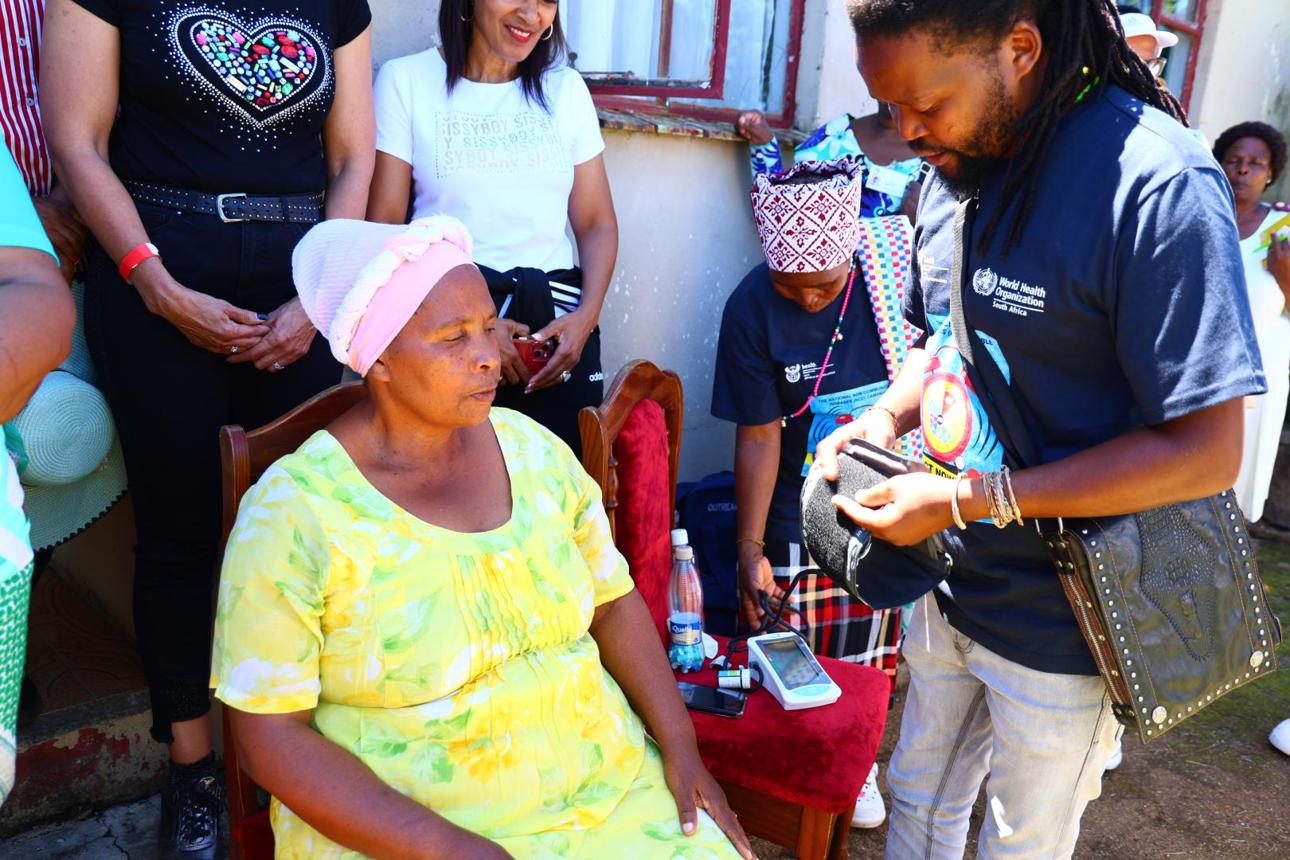
“South Africa’s latest mortality statistics show that diabetes mellitus was the leading underlying cause of death nationally in 2024, accounting for 6.1% of 474,366 recorded deaths, according to Statistics South Africa. The findings highlight a changing public-health landscape in which diabetes, hypertension and cerebrovascular diseases are placing an increasingly significant burden on communities and health services, even as infectious diseases such as tuberculosis and HIV remain major causes of death.”
South Africa is facing an important shift in its public health landscape, with diabetes emerging as the country’s leading underlying cause of death in the latest official mortality statistics. Data released by Statistics South Africa show that diabetes mellitus accounted for 6.1% of all deaths recorded in 2024, placing the chronic condition ahead of hypertensive diseases and cerebrovascular diseases. The statistics provide a detailed picture of changing mortality patterns and underline the growing importance of preventing and managing non-communicable diseases across the country.
Statistics South Africa recorded 474,366 deaths in 2024, with the latest mortality report examining causes of death according to age, sex and geographic location. The report was officially published on 22 September 2026, providing the most recent comprehensive national mortality data available.
The prominence of diabetes is particularly significant because the three leading causes of death in 2024 were all non-communicable diseases. Diabetes accounted for 6.1% of deaths, followed by hypertensive diseases at 5.5% and cerebrovascular diseases, including stroke-related conditions, at 5.4%. Together, these figures demonstrate how chronic diseases have become central to South Africa’s overall mortality burden.
Diabetes and South Africa’s Changing Health Burden
For many years, South Africa’s public health discussions have focused heavily on communicable diseases, particularly HIV and tuberculosis. Those conditions remain important. However, the latest mortality data show that chronic diseases are now playing an increasingly prominent role in deaths among South Africans.
The statistics reveal that the country is managing what can be described as a dual burden of disease. Infectious illnesses continue to affect large sections of the population, while conditions such as diabetes, high blood pressure and stroke are simultaneously contributing substantially to mortality.
The latest figures also show important differences between men and women. Diabetes mellitus was the leading cause of death among females in 2024, accounting for 7.9% of female deaths. Among males, tuberculosis remained the leading underlying cause, accounting for 4.8% of male deaths.
These differences are important for public-health planning because they demonstrate that health risks are not distributed uniformly across the population. Prevention, screening and treatment programmes therefore need to respond to differences in age, sex, location and underlying risk factors.
Diabetes Particularly Affects Middle-Aged and Older South Africans
Age is another important factor in the mortality statistics. Diabetes was the leading underlying cause of death among South Africans aged 45 to 64, accounting for 7.9% of deaths in that age group. Among people aged 65 and older, however, hypertensive diseases were the leading cause, responsible for 9.6% of deaths.
The figures demonstrate why early detection and long-term disease management are important components of public health. Diabetes can develop gradually, and some people may live with elevated blood glucose for years without knowing that they have the condition.
When diabetes remains undiagnosed or poorly controlled, it can contribute to serious complications affecting the heart, kidneys, eyes, nerves and blood vessels. This means that the public-health impact extends beyond the diabetes diagnosis itself and can involve additional pressure on hospitals, clinics and specialist services.
The Importance of Early Screening
The latest mortality figures have renewed attention on the importance of screening and early intervention.
Diabetes can often be detected through relatively straightforward blood-glucose testing. Identifying people at risk or diagnosing the disease earlier can provide an opportunity for healthcare workers to offer treatment, lifestyle guidance and monitoring before serious complications develop.
This is especially relevant in communities where people may not routinely seek medical attention until they become seriously ill. Strengthening primary healthcare services can therefore play an important role in identifying chronic diseases before they result in preventable complications.
South Africa’s public-health response also needs to consider the relationship between diabetes and other chronic conditions. Diabetes frequently exists alongside high blood pressure and cardiovascular risk factors. The fact that diabetes, hypertension and cerebrovascular diseases occupied the top three positions in the national mortality statistics reinforces the importance of integrated chronic-disease care.
The Role of Lifestyle and Prevention
Public-health experts have increasingly emphasized prevention alongside medical treatment in addressing South Africa’s diabetes burden. Healthy eating patterns, regular physical activity, maintaining a healthy weight, avoiding tobacco and limiting harmful alcohol use can form part of broader strategies for reducing the risk of chronic disease.
However, prevention should not be reduced to individual responsibility alone. Public health is also influenced by food environments, income, access to healthcare, urbanisation, education and the availability of safe spaces for physical activity.
For this reason, addressing diabetes requires cooperation between healthcare services, communities, schools, workplaces, food producers, local authorities and national policymakers.
Public awareness is equally important. People who understand the warning signs and risk factors associated with diabetes may be more likely to seek testing and treatment. Healthcare communication can also help reduce misconceptions about diabetes and encourage patients who have been diagnosed to remain engaged with long-term treatment.
Regional Differences Matter
The mortality data also show significant geographical differences. Gauteng accounted for the largest proportion of recorded deaths in 2024, at 21.2%, followed by KwaZulu-Natal at 18.8% and the Eastern Cape at 16.3%. The Northern Cape recorded the smallest proportion, at 3.1%.
These figures represent the geographic distribution of deaths rather than directly indicating that one province has a higher diabetes mortality rate than another. Nevertheless, they demonstrate the scale of healthcare demand across different regions and the importance of ensuring that chronic-disease services are accessible to populations in both urban and rural communities.
The location where people die also provides insight into the health system. Hospitals accounted for 40.6% of recorded deaths, while 23.3% occurred at home.
Diabetes Does Not Replace the Country’s Infectious-Disease Challenges
Although diabetes has emerged as the leading overall cause of death, South Africa’s infectious-disease burden remains substantial.
Tuberculosis was still the leading cause of death among men in 2024, while HIV was the leading underlying cause among people aged 15 to 44, accounting for 12% of deaths in that age group. Influenza and pneumonia were the leading causes among children aged one to 14.
This means South Africa cannot simply shift its public-health attention from infectious diseases to non-communicable diseases. Instead, the country needs an integrated approach capable of addressing both.
The challenge is particularly relevant for primary healthcare facilities, where patients may require services for HIV, TB, diabetes, hypertension and other conditions at the same time.
What the New Statistics Mean for Public Health
The latest mortality report provides an important reminder that South Africa’s health priorities are changing.
Diabetes accounting for 6.1% of all recorded deaths does not mean that every diabetes-related death was directly caused by lifestyle factors, nor does the statistic alone explain why diabetes mortality has reached this level. Instead, it provides evidence of the substantial role diabetes now plays in national mortality patterns.
For public-health authorities, the figures reinforce the importance of prevention, early diagnosis, accessible treatment and consistent follow-up.
They also highlight the need to strengthen health education and ensure that people can obtain essential chronic-disease services before complications become severe.
Ultimately, South Africa’s response to diabetes will need to operate at several levels: individuals need access to information and healthcare; clinics need the capacity to screen and manage chronic conditions; communities need supportive environments for healthier living; and policymakers need reliable evidence to guide resource allocation.
The latest Statistics South Africa report makes one point particularly clear: non-communicable diseases are now a major part of South Africa’s public-health reality. Diabetes, hypertension and cerebrovascular diseases together accounted for the three largest shares of deaths recorded in 2024.
As the country continues to address TB, HIV and other infectious diseases, the growing impact of diabetes means chronic-disease prevention and management will also need to remain a central part of the national health agenda.



