




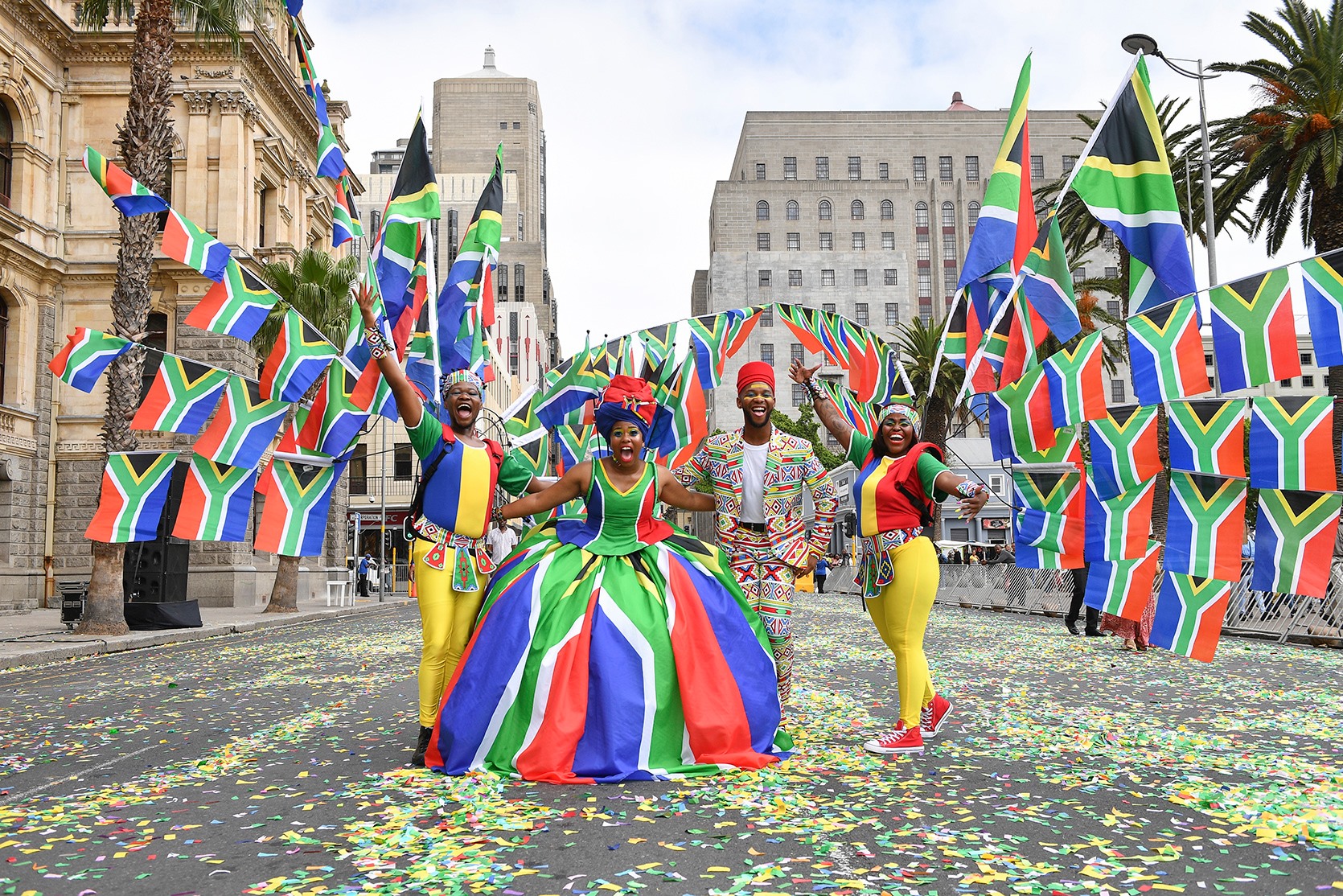
“The Cape Town Carnival 2026 has transformed the city into a vibrant hub of cultural tourism, attracting thousands of international visitors with its dazzling parades, traditional performances, and heritage exhibitions. This event is being celebrated as a cornerstone of South Africa’s cultural travel industry, highlighting the nation’s diversity and creativity.”
On July 1, 2026, Cape Town once again became the epicenter of South Africa’s cultural tourism as the Cape Town Carnival 2026 unfolded across the city’s streets. Known for its dazzling costumes, music, and dance, the carnival is more than just a celebration—it is a cultural showcase that positions South Africa as a premier destination for travelers seeking authentic cultural experiences.
Cultural Significance
The carnival is deeply rooted in South Africa’s diverse heritage. Performers from across the country represent different ethnic traditions, from Zulu drumming to Xhosa storytelling, and from Cape Malay cuisine to Afrikaans folk music. This diversity reflects the “Rainbow Nation” identity, making the carnival a living museum of South African culture.
Tourism Impact
- Visitor Numbers: The 2026 edition attracted over 50,000 international tourists, boosting Cape Town’s hospitality and travel sectors.
- Economic Contribution: Hotels reported occupancy rates above 90%, while restaurants and tour operators experienced record bookings.
- Global Recognition: Travel magazines ranked the carnival among the Top 10 cultural festivals worldwide, placing Cape Town alongside Rio de Janeiro and Venice.
Travel Experiences
Visitors to the carnival are not limited to parades. The event integrates cultural tourism with travel experiences:
- Heritage Tours: Guided visits to Robben Island, District Six Museum, and Bo-Kaap neighborhoods.
- Culinary Journeys: Food stalls offering Cape Malay curries, braai (barbecue), and indigenous delicacies.
- Art Exhibitions: Local artists displayed works inspired by South Africa’s landscapes and traditions.
Cultural Exchange
The carnival fosters international cultural exchange. Delegations from Europe, Asia, and the Americas participated, sharing their own traditions while learning from South Africa’s heritage. This exchange strengthens Cape Town’s reputation as a global cultural hub.
Sustainability and Inclusivity
Organizers emphasized sustainability by using recycled materials for costumes and promoting eco-friendly tourism. Inclusivity was also central, with community groups from underprivileged areas given platforms to perform, ensuring the carnival reflects all of South Africa’s voices.
Challenges
Despite its success, the carnival faces challenges:
- Security Concerns: Large crowds required heightened security measures.
- Infrastructure Strain: Cape Town’s transport system struggled to accommodate the influx of visitors.
- Cultural Authenticity: Critics warned against commercialization overshadowing authentic traditions.
Future Outlook
The Cape Town Carnival is expected to expand further, with plans to integrate virtual reality experiences for global audiences and partnerships with UNESCO to promote South African heritage internationally.



