




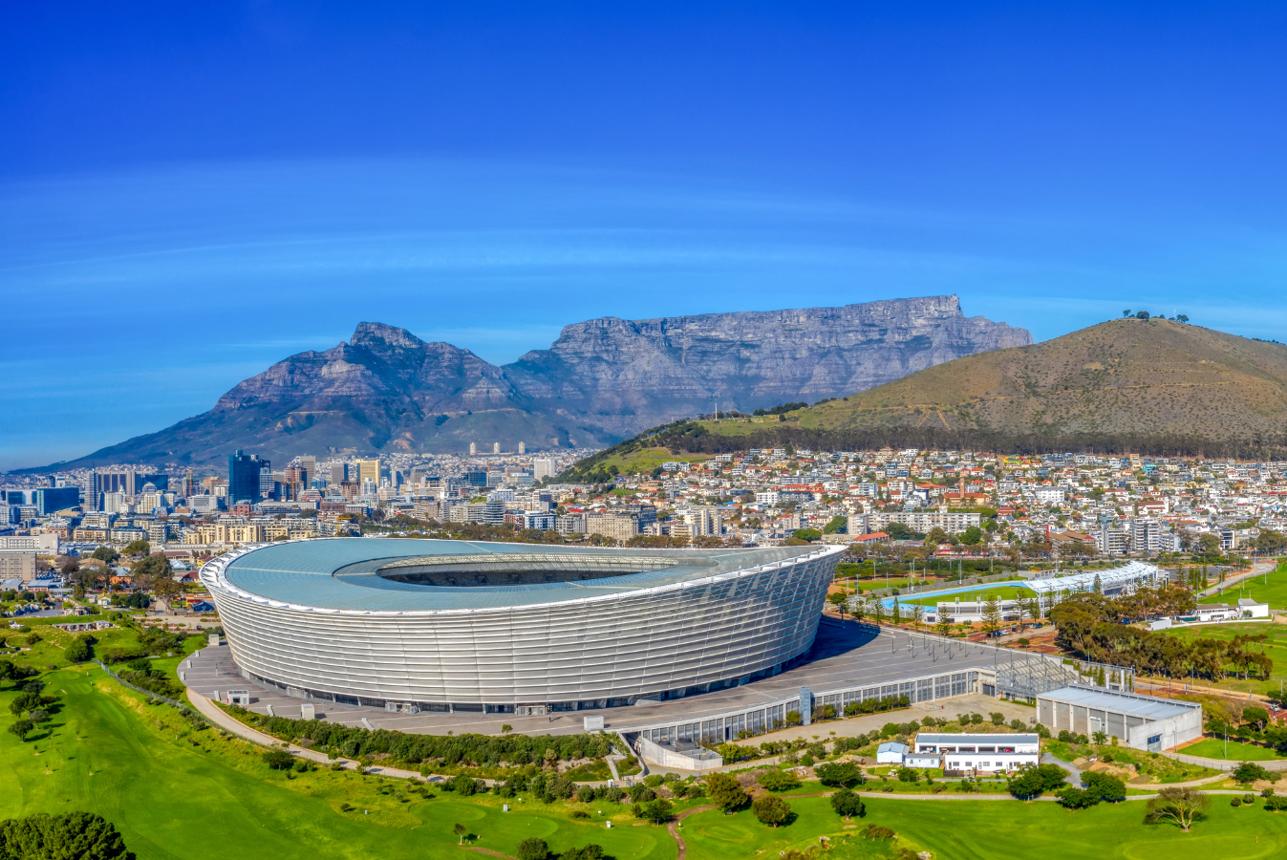
“Cape Town has submitted an initial R4.5 million bid to stage the Carling Knockout Cup final between Kaizer Chiefs and Orlando Pirates on 12 December 2026, with the Premier Soccer League yet to announce its chosen venue. The proposal has renewed debate about the cost and transparency of hosting major football events after a semifinal involving Stellenbosch FC was relocated from the Western Cape to Durban.”
Cape Town has put forward an initial R4.5 million bid to host the 2026 Carling Knockout Cup final between Kaizer Chiefs and Orlando Pirates, placing the city at the centre of a contest over where one of South African football’s most anticipated fixtures will be staged. The match is scheduled for 12 December, but the Premier Soccer League has not yet confirmed the venue.
Mayor Geordinus Hill-Lewis disclosed the proposed contribution during an interview with Robert Marawa on Marawa Sport Worldwide on Wednesday evening. He indicated that the city had followed the requirements for submitting a bid and regarded the financial commitment as substantial. His comments, reported on 26 November, also acknowledged that Cape Town might be competing against much larger offers from other municipalities.
The disclosure is important because the final brings together two clubs whose rivalry extends far beyond the ninety minutes on the pitch. Chiefs and Pirates supporters are spread across South Africa, and the choice of venue will influence how many fans can attend, what they must spend to travel and which city receives the commercial benefits associated with the event.
Cape Town’s interest is particularly significant following the relocation of the semifinal between Stellenbosch FC and Orlando Pirates to Durban. The fixture was moved to Moses Mabhida Stadium after the parties failed to reach agreement on the use of DHL Stadium and other Western Cape options were unavailable or considered unsuitable.
The city has now made clear that it wants the final, although its expression of interest does not amount to a confirmed award. Stadium management has communicated its availability to the PSL, and the municipality has publicly welcomed the possibility of bringing the Soweto derby to Cape Town supporters. Durban remains a potential alternative.
A derby final with national significance
The sporting context explains why the hosting decision has attracted so much attention. Pirates secured their place in the final by defeating Stellenbosch 2–0 in Durban on 21 November, with Evidence Makgopa scoring both goals in the second half. Chiefs followed a day later by overcoming Mamelodi Sundowns 2–1 after extra time at Loftus Versfeld in Pretoria.
SABC News+1
The Chiefs victory was shaped by substitute Elias Mokwana, who provided an assist for Pule Mmodi before scoring himself. Sundowns reduced the deficit through Mothobi Mvala late in extra time, but Chiefs held on to book their place in the final. The result created a derby showdown rather than a meeting between clubs from different regions.
The competition’s sporting importance is straightforward: both teams have earned the opportunity to compete for a domestic trophy. Yet the administrative questions surrounding the final demonstrate that a major football occasion is also a logistical undertaking. A suitable stadium must be available, contractual terms must be acceptable, and organisers must be able to plan security, ticketing, transport and broadcast arrangements.
For Cape Town, hosting the final would offer a chance to demonstrate that the city can accommodate a major national football event. It would also provide a prominent occasion for supporters in the Western Cape who might otherwise need to travel to another province. Those possibilities help explain the political and public interest in the bid, even though no final hosting decision has been announced.
The financial contest
Hill-Lewis has acknowledged that Cape Town does not know the precise value of competing bids. Reports of a possible R20 million offer elsewhere have circulated, but that figure has not been established as a confirmed competing proposal. The mayor’s concern is that cities are being asked to compete without necessarily knowing how their submissions compare.
He has therefore called for greater transparency if Cape Town is unsuccessful. In his view, understanding the winning proposal would help the city improve future bids for major PSL fixtures. He also indicated that Cape Town had received an encouraging unofficial response, although an official decision remained outstanding.
There are two distinct questions here. The first is whether R4.5 million represents a competitive financial offer. The second is whether the league and its partners consider the overall hosting proposal attractive. A cash contribution is important, but the practical value of a bid may also depend on venue readiness, operational arrangements and the ability to deliver a successful event.
A transparent explanation of the eventual decision would help supporters understand the outcome. It would also allow future bidders to distinguish between financial shortcomings and other considerations. That does not mean every commercial detail must necessarily be made public, but a clear account of the selection criteria would strengthen confidence in the process.
Why the semifinal dispute matters
The relocation of the Stellenbosch–Pirates semifinal is central to the current debate. Stellenbosch’s home ground, Danie Craven Stadium, was deemed unsuitable for the match, while Athlone Stadium was unavailable because of prior commitments. The PSL and DHL Stadium management were unable to agree on terms, leaving the Western Cape without an approved alternative for the fixture.
Hill-Lewis identified three issues that complicated the negotiations: the rental cost, a public liability provision and access to the presidential suite. He said the limited time available made it difficult to resolve those matters, while suggesting that an agreement might have been possible with a longer negotiating period.
The liability issue concerned responsibility for service providers. According to the mayor’s explanation, the stadium’s position was that each party should be accountable for its own actions, while alternative wording could be discussed. The presidential suite was technically assigned to the stadium’s anchor rugby tenant, although Hill-Lewis indicated that permission to use it was not expected to be a major obstacle.
These details matter because they show how a disagreement can extend beyond the headline rental price. Even when a stadium is physically available, a competition organiser must be satisfied with the contractual arrangements governing the event. The unresolved semifinal negotiations illustrate the importance of settling those matters before a high-profile fixture reaches the final planning stage.
Cape Town’s relationship with football
The mayor has rejected the suggestion that Cape Town is hostile to football. He argued that municipal facilities must serve different sports and events and that their allocation should be fair. He also pointed to the city’s support for Cape Town City FC while maintaining that clubs themselves remain responsible for results on the pitch.
The argument highlights a familiar challenge in managing multipurpose venues. A stadium may be capable of hosting football, rugby, concerts and other events, but its calendar cannot accommodate every request simultaneously. When different organisers seek access to the same facility, the terms of use and the order of bookings can become as important as the venue’s physical capacity.
Cape Town’s latest bid is therefore about more than a single final. It is an opportunity to establish a workable relationship between the city, stadium management and the PSL. Hill-Lewis has indicated that he wants to engage the league before next season to clarify the requirements for hosting major football fixtures.
That longer-term approach could prove valuable even if Cape Town does not win the December final. Establishing clearer procedures in advance may reduce the risk of future disputes and give clubs more certainty when planning important matches.
Supporters and the final decision
For supporters, the immediate concern is where the match will be played. A Cape Town final would create an opportunity for Western Cape fans to attend a major derby without travelling to Durban. A Durban final would place the event at a stadium that has already hosted the competition’s relocated semifinal and has experience staging a Soweto derby cup decider.
Neither possibility should be treated as confirmed until the PSL makes its announcement. Supporters should therefore avoid making non-refundable travel arrangements based solely on reports of a preferred venue or a city’s financial bid.
The final also offers an opportunity to rebuild confidence after the semifinal relocation. A timely decision would give the clubs, supporters and event organisers a clearer basis for planning. It would also allow attention to return to the football itself, including the tactical contest between Chiefs and Pirates and the significance of winning a domestic knockout trophy.
As of Thursday, 26 November, Cape Town has declared its willingness to host, disclosed its initial financial contribution and expressed hope that its proposal will be successful. The league’s decision remains the essential next development. Until that decision is announced, the 12 December final is confirmed as a sporting contest, but its location remains unresolved.



