




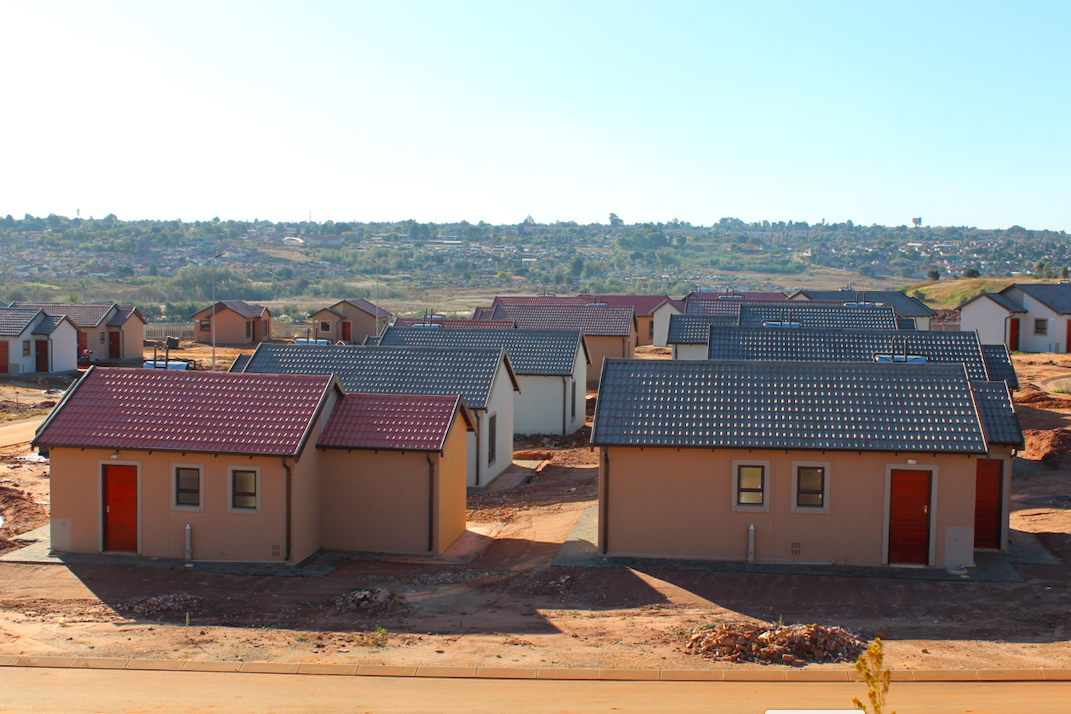
“South Africa’s Constitutional Court has ruled that public land sales must prioritize affordable housing and community participation, reshaping the framework for urban development. This landmark decision is expected to drive inclusive growth, reduce inequality, and alter the trajectory of real estate development projects nationwide.”
On July 3, 2026, South Africa’s Constitutional Court delivered a transformative ruling in the Tafelberg case, fundamentally altering the way public land is managed and sold. The judgment mandates that affordable housing, public participation, and balanced development must be prioritized before any disposal of state-owned land. This decision is poised to reshape the country’s real estate development landscape, particularly in urban centers like Cape Town, Johannesburg, and Durban, where housing inequality remains stark.
Background of the Case
The Tafelberg ruling stems from a long-standing dispute over the sale of prime public land in Cape Town’s inner city. Civil society organizations argued that the land should be used for affordable housing rather than sold to private developers. The Constitutional Court sided with these groups, emphasizing that the state has a constitutional obligation to address spatial inequality and ensure equitable access to housing.
Key Provisions of the Ruling
- Affordable Housing Priority: Any sale of public land must include provisions for affordable housing.
- Public Participation: Communities must be consulted before land disposal decisions are finalized.
- Balanced Development: Projects must balance economic growth with social equity, ensuring that development does not exacerbate inequality.
Implications for Real Estate Development
The ruling has immediate and long-term consequences for developers, municipalities, and investors:
- Developers will need to integrate affordable housing into projects, potentially reducing profit margins but increasing social impact.
- Municipalities must revise land disposal policies to comply with constitutional requirements.
- Investors may face new regulatory hurdles but also opportunities in socially responsible development.
Urban Renewal and Social Impact
The decision is expected to accelerate urban renewal initiatives that prioritize inclusivity. In Johannesburg, for example, developers working with Tuhf Capital are already focusing on affordable housing projects that deliver both financial returns and social benefits.
Market Reactions
Real estate analysts note that while the ruling may slow down certain high-end developments, it could stabilize the market by addressing long-term housing shortages. Affordable housing projects are likely to attract government incentives and international funding, creating new opportunities for developers willing to adapt.
Challenges Ahead
- Financing Models: Developers must find innovative financing solutions to balance affordability with profitability.
- Policy Alignment: Municipalities will need to harmonize local policies with constitutional mandates.
- Community Engagement: Genuine public participation requires transparent processes and accountability.
Broader Economic Context
South Africa’s real estate market in 2026 is recovering from years of sluggish growth, with average property prices rising by 4.3% over the past year. However, inequality in housing access remains a pressing issue. The Tafelberg ruling addresses this by embedding social equity into the very fabric of development policy.
Conclusion
The Constitutional Court’s Tafelberg ruling marks a turning point in South Africa’s real estate development sector. By mandating affordable housing and public participation, the judgment ensures that future urban growth will be more inclusive and equitable. For developers, investors, and policymakers, the challenge now lies in translating this legal mandate into practical, sustainable projects that balance profitability with social responsibility.



