




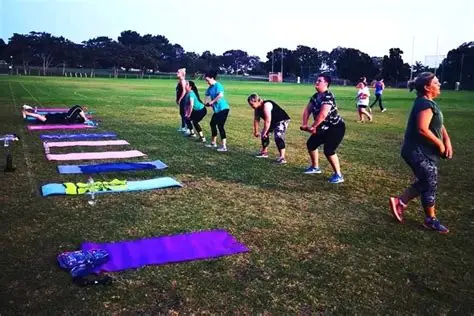
“South Africa’s escalating cost of living has made gym memberships unaffordable for many households, forcing families to prioritize essentials like food and school fees. Fitness experts caution that this trend could worsen obesity rates and mental health challenges, urging communities to adopt low-cost alternatives such as outdoor activities and grassroots fitness programs.”
South Africa’s fitness industry is facing an unprecedented crisis. As inflation, rising food prices, and increased school fees squeeze household budgets, gym memberships and personal training sessions are increasingly seen as luxuries rather than necessities. This shift has profound implications for public health, particularly in a country already grappling with high rates of obesity, diabetes, hypertension, and mental health disorders.
Economic Context
The cost of living in South Africa has surged dramatically in 2026. Families are redirecting funds toward groceries, school fees, and household bills, leaving little room for discretionary spending on fitness. For many, the monthly gym membership fee—once considered a worthwhile investment in health—has become unaffordable. Personal trainers across the country report sharp declines in clientele, with many struggling to sustain their businesses.
Fitness as a Health Imperative
Despite financial strain, experts emphasize that fitness is more critical than ever. South Africa faces a growing obesity epidemic, with sedentary lifestyles and poor diets fueling chronic diseases. Exercise is not merely about aesthetics; it is a proven tool for reducing stress, improving cardiovascular health, and enhancing overall well-being. Without structured fitness programs, citizens risk losing a vital coping mechanism for both physical and mental health.
Personal Stories
The human impact of this crisis is evident in stories like that of Vuks, a personal trainer from Nkowankowa near Tzaneen. After losing a close friend, he turned to exercise as a way to cope with grief and mental health struggles. His journey illustrates how fitness can provide purpose, healing, and resilience. Yet, with fewer clients able to afford his services, Vuks now organizes outdoor activities and awareness campaigns to keep communities active without incurring high costs.
Community-Based Alternatives
Grassroots initiatives are emerging as a lifeline. Hiking trips, aerobics classes, and community fitness events are gaining popularity as affordable alternatives to gyms. These activities not only promote physical health but also foster social cohesion, offering communities a sense of solidarity in the face of economic hardship. Outdoor fitness programs, often free or low-cost, democratize access to exercise and highlight the resilience of South Africans in adapting to challenges.
The Link Between Fitness and Mental Health
The decline in gym attendance has broader implications for mental health. Exercise is a proven intervention for managing anxiety, depression, and stress. Without access to structured fitness programs, many South Africans risk losing a critical coping mechanism. This could exacerbate the country’s already significant mental health burden, particularly among young people and working-class communities.
Substance Abuse Prevention Through Fitness
Fitness also plays a role in preventing substance abuse. Structured exercise programs provide discipline, purpose, and community support, reducing vulnerability to harmful coping mechanisms. As gyms close their doors to struggling households, the risk of increased substance abuse looms large, underscoring the need for affordable fitness alternatives.
Expert Perspectives
Health professionals warn that abandoning exercise could worsen the country’s public health crisis. They argue that fitness must be reframed as a necessity rather than a luxury. Critics, however, caution that without structural changes—such as subsidies for fitness programs or investment in community infrastructure—grassroots initiatives alone may not be sufficient to address the scale of the problem.
Challenges Ahead
The biggest challenge lies in economic inequality. Wealthier demographics may still afford gym memberships and wellness programs, while poorer communities face barriers to structured fitness. The fitness industry itself is under pressure, with gyms and trainers struggling to survive financially. Without intervention, South Africa risks deepening health disparities and worsening its obesity and mental health crises.
Conclusion
South Africa’s fitness crisis is a stark reminder of the intersection between economics and health. As families prioritize essentials over exercise, the country must find innovative ways to sustain healthy lifestyles. Grassroots initiatives, outdoor activities, and community fitness programs offer hope, but structural support is essential to ensure fitness remains accessible to all. Without urgent action, the abandonment of gyms could have long-term consequences for public health, deepening the nation’s struggle against obesity, chronic disease, and mental health challenges.



