




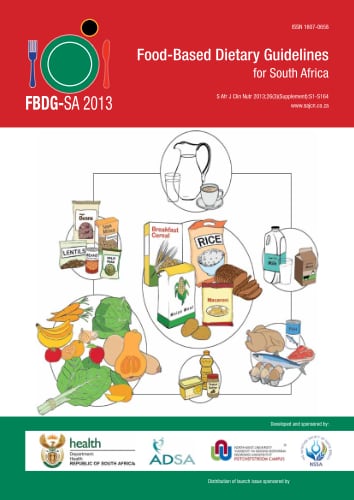
“South Africa has unveiled revised national dietary guidelines to combat rising obesity, diabetes, and hypertension, promoting indigenous foods, reduced salt and sugar intake, and hydration through clean water. The guidelines aim to reshape food environments in schools, hospitals, and communities while reconnecting citizens with traditional food practices.”
South Africa is facing a nutrition crisis of unprecedented scale, with obesity and chronic diseases surging across communities. In response, the Department of Health has released updated National Dietary Guidelines (August 2026), marking a decisive step toward reshaping the nation’s food environment. These guidelines are not merely advisory—they are designed to influence schools, hospitals, and community programs, while reconnecting citizens with traditional food practices.
Why New Guidelines Were Needed
- Obesity epidemic: Nearly 70% of women and 40% of men are overweight or obese. Urban diets dominated by ultra-processed foods and sugary drinks have displaced traditional staples.
- Chronic disease surge: Diabetes, hypertension, and cardiovascular illnesses are among the fastest-growing non-communicable diseases.
- Cultural disconnect: Modern dietary advice often fails when it does not resonate with lived experiences.
Key Recommendations
- Traditional foods: Promote indigenous staples like beans, maize, leafy greens, and legumes.
- Reduce salt and sugar: Limit processed foods and sugary drinks; encourage home cooking.
- Hydration with clean water: Position water as the primary beverage of choice.
- Balanced diets: Encourage variety, moderation, and portion control.
Implementation Strategy
- Schools: Feeding schemes will prioritize traditional staples over processed foods.
- Hospitals: Patient meal plans will align with the new standards.
- Community programs: Outreach campaigns will raise awareness and encourage adoption.
Broader Implications
The guidelines are expected to influence food policy, agricultural practices, and consumer behavior. By reconnecting communities with cultural eating practices, the government hopes to reduce reliance on imported processed foods and strengthen local food systems. Nutrition experts argue this approach not only improves health but also supports sustainability and food security.
Expert Perspectives
- Supportive voices: Health professionals welcome the guidelines as a blueprint for healthier living.
- Critical voices: Critics caution that guidelines alone are insufficient without structural changes to the food system, particularly in ensuring affordable access to nutritious food.
Challenges Ahead
- Economic inequality: Many households struggle to afford healthy food.
- Food industry resistance: Ultra-processed food companies may lobby against stricter regulations.
- Behavioral change: Shifting entrenched dietary habits will require sustained education and community engagement.
Conclusion
South Africa’s updated dietary guidelines represent a bold public health intervention at a time when obesity and chronic diseases threaten the nation’s future. While challenges remain, the emphasis on indigenous foods, reduced salt and sugar, and hydration through clean water provides a culturally resonant and scientifically sound framework for healthier living. If successfully implemented, these guidelines could reshape the nation’s food environment, reduce chronic disease burdens, and strengthen local food systems for generations to come.



