




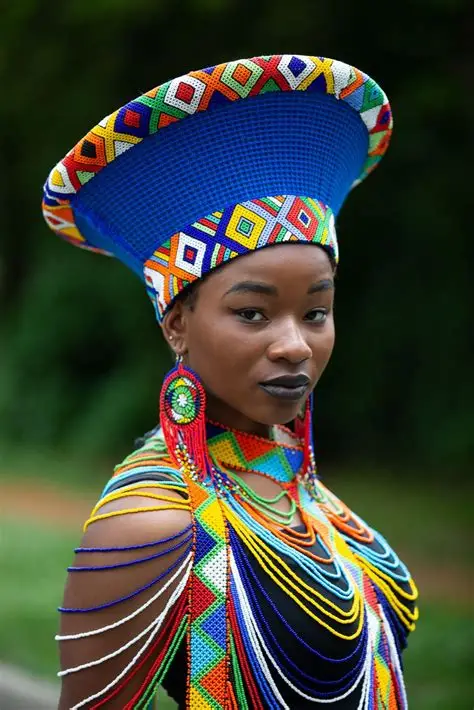
“At the Durban July 2026, accessories took center stage, transforming the “Country Allure” theme into a cultural narrative that fused rural heritage with digital futurism. Designers, influencers, and celebrities used hats, jewelry, handbags, and belts to redefine accessories as symbols of identity, tradition, and innovation.”
The Durban July 2026, South Africa’s premier fashion and horse-racing event, has once again proven to be more than a showcase of couture gowns and tailored suits. This year’s theme, “Country Allure”, placed accessories at the forefront of fashion storytelling, redefining their role from mere embellishments to cultural and futuristic statements.
Accessories as Cultural Storytelling
Designers drew inspiration from South Africa’s countryside landscapes — rolling hills, vineyards, and equestrian traditions. Accessories reflected this rural elegance:
- Wide-brim hats with woven textures symbolized agricultural heritage.
- Beaded jewelry incorporated Ndebele and Zulu motifs, grounding couture in cultural identity.
- Leather belts and boots echoed equestrian tailoring, reinforcing the horse-racing connection.
These accessories were not only functional but also symbolic, carrying the weight of tradition while adapting to modern aesthetics.
Futuristic Metallics and Digital Influence
While heritage dominated, futuristic metallic accessories — chrome handbags, rose-gold jewelry, and silver belts — added a digital edge. These pieces connected fashion to South Africa’s growing digital culture, reflecting how accessories can embody both tradition and innovation. Metallics became a metaphor for the country’s dual identity: rooted in heritage yet globally relevant.
Designer Highlights
- Gert-Johan Coetzee unveiled couture gowns accessorized with countryside motifs. His work for Kefilwe Mabote and Lerato Kganyago featured luxury handbags and jewelry that elevated rural themes into avant-garde precision.
- Emerging designers showcased neon-updated animal print accessories, such as clutches and earrings, blending wildlife inspiration with urban futurism.
- Metallic headpieces and digitally inspired jewelry reflected the fusion of fashion and technology.
Influencer Narratives
Influencers amplified the accessory-driven narrative:
- Somizi Mhlongo and Zola Mhlongo arrived via private jet, accessorized with luxury sunglasses and statement jewelry, embodying opulence.
- Thobeka “Thobi Rose” Mthembu and Juicy Jay Jwacu embraced authenticity, accessorizing their countryside road-trip looks with woven hats and rustic handbags.
These contrasting narratives highlighted the tension between authentic rural engagement and luxury spectacle, sparking debate about the balance between heritage and modernity.
Accessories as Identity and Innovation
The Durban July 2026 demonstrated how accessories are evolving into identity markers. They are no longer secondary to garments but are central to fashion’s cultural and technological storytelling. Accessories now embody:
- Heritage: Beaded jewelry and woven hats rooted in tradition.
- Innovation: Metallics and digital-inspired designs reflecting futurism.
- Luxury: Designer handbags and statement jewelry elevating rural motifs.
Market Implications
The prominence of accessories at Durban July 2026 signals a shift in South Africa’s fashion economy. Accessories are becoming key drivers of consumer engagement, offering both cultural resonance and commercial appeal. This aligns with global trends where accessories often dominate retail sales due to their accessibility and versatility.
Conclusion
The Durban July 2026 has redefined accessories as the heart of South African fashion storytelling. By blending rural heritage with futuristic aesthetics, designers and influencers have elevated accessories into cultural symbols that embody both tradition and innovation. As South Africa positions itself as a hub for fashion identity and sustainability, accessories will continue to lead the narrative, shaping the country’s global relevance in the fashion industry.



