




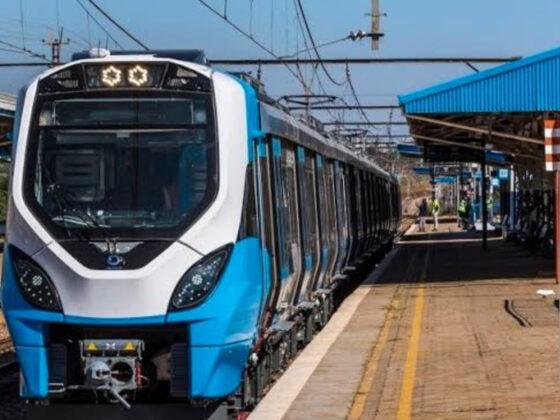
“Durban’s passenger rail network is set for a major infrastructure upgrade, with PRASA implementing an R11 billion signalling and telecommunications programme alongside a further R2 billion rehabilitation of the Umlazi Corridor. The programme is intended to improve safety, reliability and train frequency, with PRASA and eThekwini officials saying the upgraded system could eventually support trains operating every three to five minutes and substantially increase passenger numbers.”
Durban Rail Investment Could Reshape Travel Across KwaZulu-Natal
Durban’s passenger transport system is entering another significant phase of infrastructure development, with a major investment programme aimed at improving the city’s railway network and making rail a more frequent and reliable option for commuters and travellers. The Passenger Rail Agency of South Africa, or PRASA, is rolling out an R11 billion signalling and telecommunications programme across several corridors, supported by an additional R2 billion investment in rehabilitating the Umlazi Corridor. The developments are among the latest transport stories relevant to South Africa’s travel sector because the performance of public transport directly affects how residents, domestic travellers and visitors move around major cities.
According to reporting published by IOL, the programme is designed to improve railway safety, increase operational reliability and allow more trains to operate on the network. PRASA officials have indicated that upgraded signalling technology could eventually allow trains to operate at intervals of approximately three to five minutes. The proposed improvements therefore have implications extending beyond daily commuting, particularly for tourism, events, business travel and access to Durban’s attractions.
The scale of the planned investment is significant. The R11 billion signalling and telecommunications programme is being implemented across various rail corridors, while the separate R2 billion Umlazi Corridor rehabilitation is focused on one of KwaZulu-Natal’s important passenger routes. eThekwini Municipality has also highlighted the two programmes, confirming that they are at different stages of implementation.
Why Signalling Matters to Railway Travel
Railway signalling may not be as visible to passengers as new trains, renovated stations or improved platforms, but it is central to the safe and efficient operation of a railway network. Signalling systems help control train movements, manage distances between trains and coordinate traffic across different sections of railway infrastructure.
For Durban, improving this underlying technology is important because simply adding more trains does not automatically create a higher-capacity railway. The network also needs signalling and telecommunications infrastructure capable of managing additional services safely.
KwaZulu-Natal PRASA Regional Manager Thami Sithole said the upgraded signalling system could allow the agency to increase the number of trains operating on the network. He indicated that automated signalling could potentially enable PRASA to double the number of trains operating in some circumstances.
The proposed frequency of trains is particularly important for travellers. If services can eventually operate every three to five minutes on suitable corridors, passengers would potentially spend less time waiting at stations and have greater flexibility when planning journeys.
However, the stated frequency is a future operational target rather than a guarantee that every Durban route will immediately operate at that interval. The final service pattern will depend on infrastructure readiness, rolling stock, signalling capacity, operational planning and other factors.
Umlazi Corridor Remains Central to the Plan
The additional R2 billion investment in the Umlazi Corridor is another major component of the transport programme. The corridor carries a substantial share of KwaZulu-Natal’s rail passengers, making its rehabilitation important to the wider public transport network.
The investment comes at a time when Durban’s railway system has been working through the consequences of years of infrastructure damage, service disruptions and reduced passenger use. Recent reporting by GroundUp showed that average daily Metrorail passenger numbers in Durban fell from about 56,000 in the 2024/25 financial year to approximately 33,000 in 2025/26, a decline of about 41%. The report also noted that some lines remained closed or operated only partially.
That background provides important context for the new investment. Improving railway infrastructure is not simply about introducing faster or more frequent services. It is also about rebuilding passenger confidence and restoring routes and facilities that have experienced significant disruption.
The rehabilitation of infrastructure therefore forms part of a broader attempt to make rail once again an effective component of Durban’s transport system.
What Better Rail Could Mean for Durban Visitors
Transport is closely connected to tourism. Travellers arriving in Durban need practical ways to move between accommodation, attractions, shopping districts, sporting venues, entertainment areas and transport hubs.
Durban is one of South Africa’s major coastal tourism destinations, and the city hosts numerous cultural, sporting, business and entertainment events. The city’s tourism authorities have recently highlighted renewed tourism activity, with eThekwini recording approximately 28,000 international arrivals in July and an estimated R83.1 million in international visitor spending during that month.
A functioning passenger railway network can complement other transport modes by providing another option for people moving through the metropolitan area.
For domestic travellers, reliable rail can also make it easier to combine different parts of a trip. A visitor staying outside the central city could potentially use rail for part of a journey instead of relying entirely on private vehicles or taxis. Similarly, residents travelling to events could have another option when roads become congested.
The potential benefit is especially relevant during major events. PRASA has previously operated special train services connected to large events in KwaZulu-Natal. During the 2026 Comrades Marathon, for example, PRASA offered a special Durban-to-Cato Ridge spectator service to provide an alternative to road travel during a day when substantial road closures were expected.
Rail Could Help Address Road Congestion
One of the wider objectives associated with improved passenger rail is the potential to shift some journeys away from roads.
eThekwini Mayor Cyril Xaba said the investment could help reduce road congestion and encourage greater use of rail as a reliable and affordable transport mode. He also suggested that improved rail could allow people living farther from central Durban to remain in their communities rather than relocating closer to employment opportunities purely because of transport difficulties.
The relationship between rail and road transport is particularly important in a large metropolitan area. When more people can access dependable public transport, some journeys that would otherwise require private cars, taxis or other road-based services can potentially move onto the rail network.
That does not mean rail will replace road transport. Instead, an effective transport system generally relies on different modes working together. Rail can provide the high-capacity backbone for certain corridors, while buses, taxis, walking and other services provide connections to stations and final destinations.
A Long-Term Passenger Recovery Challenge
Although the investment represents a substantial commitment, rebuilding passenger rail demand will take more than infrastructure spending alone.
The recent fall in Durban’s rail passenger numbers demonstrates the challenge. GroundUp reported that passenger numbers had declined despite substantial expenditure on network rehabilitation. Its reporting also pointed to continued problems on some lines, including partial services and infrastructure constraints.
For the new investment to translate into sustained passenger growth, travellers will need to see improvements in several areas at the same time.
Frequency is one factor. Safety, station conditions, reliability, security, ticketing and connectivity with other modes of transport also influence whether passengers choose rail.
This is particularly important for tourists, who may be unfamiliar with local transport systems. Visitors are more likely to use public transport when services are predictable, information is clear and connections between transport modes are straightforward.
Infrastructure Development Extends Beyond Rail
The railway programme is also taking place alongside other major transport infrastructure projects in Durban and KwaZulu-Natal.
eThekwini Municipality recently reported that SANRAL was progressing with major N2 and N3 upgrades designed to address congestion and strengthen important transport corridors. The N2 programme includes 55 kilometres between the Lovu River and uMdloti, with 11 work packages valued at approximately R19 billion.
These investments illustrate the scale of the transport challenge facing the region. Durban depends on a combination of roads, rail, aviation and other forms of public transport to support residents and visitors.
Improving multiple transport modes can therefore strengthen the overall travel network rather than treating rail as an isolated project.
Durban’s Position as a Tourism Gateway
Transport improvements are particularly relevant during September’s Tourism Month, which South Africa is using to promote domestic travel and highlight the country’s tourism offering. The national Tourism Month campaign is being held under the theme “Growing South Africa’s Tourism Sector in the Digital Era”, with World Tourism Day scheduled for 27 September 2026.
For a tourism destination such as Durban, transport infrastructure forms part of the visitor experience. Attractions may be strong, accommodation may be available and events may attract large audiences, but visitors still need dependable ways to reach and move between those destinations.
The planned rail improvements therefore have relevance beyond commuting. If the upgraded network delivers the reliability and frequency targeted by PRASA, it could provide another layer of mobility for the city’s residents and visitors.
What Travellers Should Watch Next
For travellers and tourism businesses, the most important developments to monitor will be the actual rollout of the signalling upgrades, progress on the Umlazi Corridor rehabilitation and subsequent changes to train schedules.
The three-to-five-minute frequency target is an indication of the capacity that the upgraded system could eventually support, rather than an immediate timetable for all services. Travellers should therefore continue checking official PRASA and Metrorail information when planning journeys.
The investment also needs to be considered alongside existing network limitations. Previous reporting has documented significant passenger declines and continuing challenges on parts of the Durban rail system.
Nevertheless, the current programme represents a major effort to improve the infrastructure that underpins passenger rail.
What the Investment Means for South Africa’s Travel Sector
Durban’s R11 billion signalling and telecommunications programme, combined with the R2 billion Umlazi Corridor rehabilitation, places rail transport at the centre of the city’s ongoing mobility development.
For commuters, the objective is improved reliability, safety and frequency. For tourism, the implications could include easier movement around the metropolitan area, better access to events and attractions, and another alternative to congested roads.
PRASA’s ambition to increase rail capacity and potentially support much more frequent services is therefore an important development for Durban’s transport and travel landscape. The ultimate impact will depend on how successfully the infrastructure investment is completed and translated into dependable passenger services.
For now, the project marks another significant stage in Durban’s effort to rebuild and modernise passenger rail. With tourism activity continuing to be promoted during September’s Tourism Month, the performance of the city’s transport network will remain an important part of how residents and visitors experience Durban.
Sources reviewed: IOL, eThekwini Municipality, GroundUp, South African Tourism/Department of Tourism and related transport-sector reporting. The latest matching report located in the search was published on the current IOL feed as a recent story, although its URL carries 25 September 2026; I have therefore retained that date distinction rather than presenting it as definitively published on 26 September.



