




“South Africa’s Electoral Court has dismissed the uMkhonto weSizwe Party’s challenge to the 2024 national and provincial election results, finding that the party did not establish that the Electoral Commission’s results system lacked integrity. The ruling comes as the country prepares for the 4 November 2026 local government elections, with the IEC moving ahead with further audits and allowing political parties access to the election-results system for technical scrutiny.”
The Electoral Court’s dismissal of the uMkhonto weSizwe Party’s challenge to South Africa’s 2024 national and provincial election results has brought a significant legal dispute over the country’s electoral technology to a close, while placing renewed attention on preparations for the November 2026 local government elections. The judgment, delivered on 25 September 2026, rejected the MK Party’s attempt to set aside the 2024 results and accepted evidence that the Electoral Commission of South Africa’s results system continued operating during a roughly two-hour period when the public-facing dashboard and leaderboard stopped displaying results.
The case centred on the incident of 31 May 2024, when the public results dashboard went blank. The MK Party argued that the interruption created an opportunity for results to be manipulated and questioned the reliability of the IEC’s digital vote-capturing and reporting system. The party sought to challenge the declaration of the 2024 results, maintaining that the circumstances surrounding the dashboard incident undermined confidence in the election outcome.
The court’s ruling addressed both procedure and substance. The court found that the MK Party had not followed the prescribed process for lodging an objection with the IEC within the required period. As a result, the application was not competent in law. The court nevertheless considered the dashboard evidence and found that the MK Party had not established that the results system lacked integrity.
A central part of the evidence concerned the difference between the public display of results and the underlying vote-capturing system. The IEC’s explanation was that the broader results system remained operational and that a system setting had caused the information to be unavailable for public display during an optimisation process. The audit trail, as reported by several outlets, showed that results continued to be captured and edited during the period in question and that no election data was lost.
The court also accepted evidence that the incident did not affect the verification of results. This distinction is important because the public-facing dashboard was what voters and observers could see, while the technical processes used to capture, manage and verify results continued behind the scenes. The judgment therefore rejected the argument that the temporary absence of information from the public display, by itself, demonstrated that votes had been altered or that the final results were unreliable.
The ruling has immediate relevance beyond the 2024 election. South Africa is preparing for local government elections on 4 November 2026, making confidence in the electoral system a central issue. The IEC has welcomed the judgment and said it can proceed with the final stages of its audit of the results system.
The commission has also outlined measures intended to allow political parties to scrutinise the technology before voting day. Reporting following the judgment indicates that political parties will have direct access to the relevant system between 5 and 12 October, giving them an opportunity to identify and raise technical concerns before the election. The process is part of a wider effort to ensure that electoral technology is tested and subjected to oversight before results are processed.
The case also illustrates how electoral confidence is intertwined with legal procedure. Political parties can challenge election administration through established mechanisms, but election law sets deadlines and procedures for doing so. The decision shows that a challenge can fail because of both evidence and non-compliance with statutory requirements.
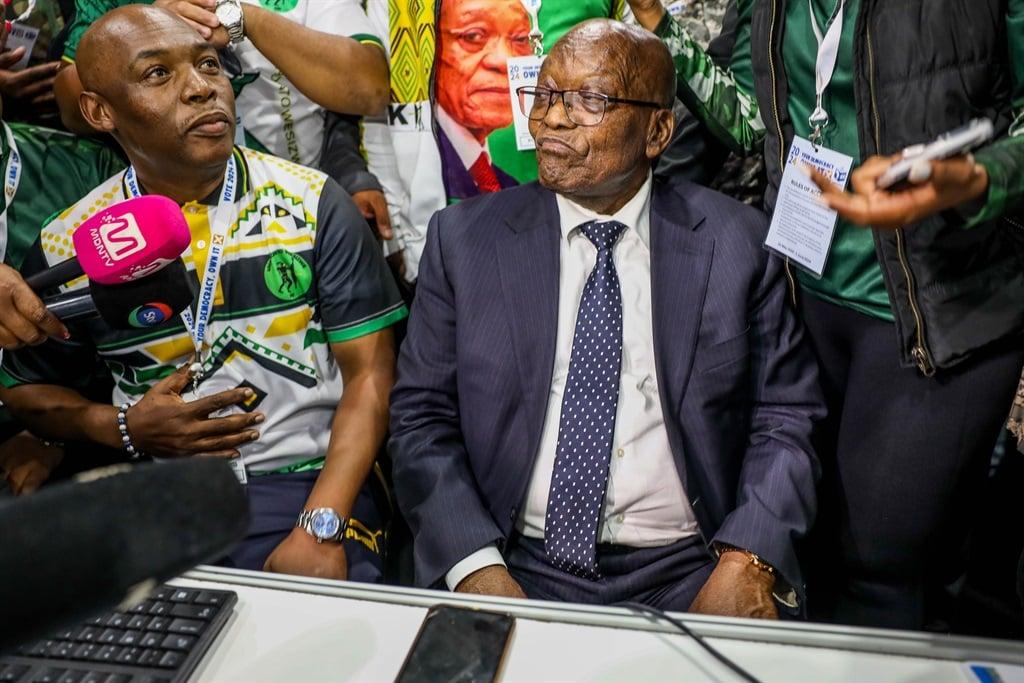
The MK Party has continued to dispute the conclusion reached by the electoral authorities and courts. Daily Maverick reported that party leader Jacob Zuma said the party still believed it had been deprived of votes in the 2024 election, while also saying the party would abide by the rules of the forthcoming local government elections. These statements illustrate the continuing political disagreement surrounding the 2024 result, even though the latest court decision has rejected the legal challenge before it.
For the IEC, the judgment provides a legal conclusion on the specific challenge while leaving practical work ahead of the November poll. The commission must still ensure that the technology is secure, tested and accessible to political parties and observers. It must also communicate clearly when technical problems occur, because even an incident that does not affect the underlying vote can create uncertainty if the public cannot see what is happening.
That communication issue is significant in modern elections. Results dashboards provide transparency by allowing the public to follow counting. When a dashboard stops displaying information, observers may not know whether the problem is limited to presentation or affects underlying data. The 2024 incident shows why administrators need resilient systems and clear explanations when disruptions occur.
The dispute also comes as political parties enter an increasingly active phase of the 2026 local government campaign. The IEC has been finalising candidates, issuing certificates and preparing ballots, while parties sign the Electoral Code of Conduct. In the Western Cape, the commission reported 106 political parties and 33 independent candidates contesting municipal elections.
The electoral environment therefore combines legal disputes, technical preparation and political campaigning. Parties are competing across the country, while the IEC applies common electoral rules. The commission has also warned parties against attacks on the media and emphasised responsibilities related to disinformation under the updated Electoral Code of Conduct.
The 2024 dispute is relevant to how South Africa’s electoral institutions will manage trust during the 2026 municipal contest. The judgment does not settle every future question about election technology, but it provides a judicial finding on the evidence presented in this case and a clearer legal position for the IEC as it prepares for November.
For voters, the immediate factual takeaway is that the Electoral Court did not find that the 2024 results had been manipulated because of the dashboard incident. Instead, the court accepted evidence that the underlying system continued functioning, that the audit trail showed ongoing results processing and that no data was lost. The court also found that the MK Party’s review application was procedurally defective.
For political parties, the decision reinforces the importance of using formal electoral dispute mechanisms within prescribed deadlines. For the IEC, it underlines the importance of technical safeguards, independent checks and transparent communication. For the public, the episode shows how quickly a technology problem can become a political and legal issue during an election count.
With the 4 November local government elections approaching, attention shifts from the 2024 dispute toward the administration of the next vote. The IEC’s planned audit and October access period for parties will provide opportunities for technical scrutiny. The effectiveness of those preparations will depend on the technology and on how clearly the commission communicates its processes and responds to concerns.
The Electoral Court’s ruling therefore closes one chapter in the dispute over South Africa’s 2024 election results, while the country moves into another election cycle. The legal findings are specific to the case, but the wider lesson is that electoral credibility depends on functioning systems, verifiable audit trails, lawful procedures and public transparency. Those elements will remain central as South Africans prepare to vote in the 2026 local government elections.



