




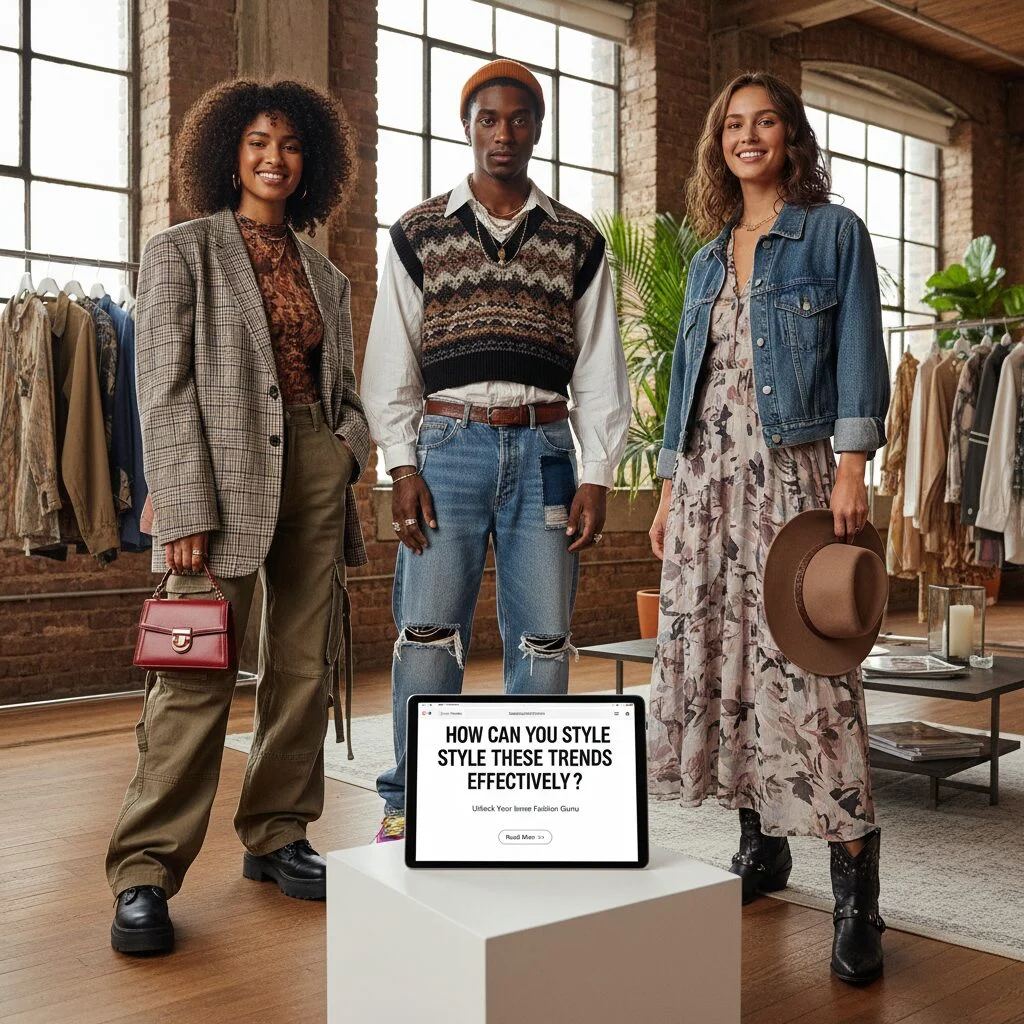
“Local designers are embracing eco‑friendly fabrics and circular fashion models, signaling a shift toward sustainability in the industry. The trend is gaining traction among younger consumers who demand ethical production.”
South Africa’s fashion scene is undergoing a transformation, with sustainability becoming the defining theme of 2026. Designers at Johannesburg and Cape Town Fashion Weeks showcased collections made from recycled textiles, organic cotton, and plant‑based dyes. This movement reflects global momentum toward eco‑conscious fashion but carries uniquely African elements, such as the use of indigenous prints and locally sourced materials. Consumer surveys show that Gen Z buyers are increasingly rejecting fast fashion, preferring brands that demonstrate transparency in supply chains. Retailers like Woolworths have pledged to expand sustainable lines, while startups are innovating with biodegradable fabrics. The economic implications are significant: sustainable fashion could reduce textile waste, create green jobs, and position South Africa as a leader in ethical design. Challenges remain, including higher production costs and limited infrastructure for recycling. However, collaborations between government, NGOs, and private firms are addressing these gaps. The cultural impact is equally profound, as fashion becomes a vehicle for environmental activism. In essence, South Africa’s fashion industry is not just following a trend but redefining it, merging aesthetics with responsibility.



