




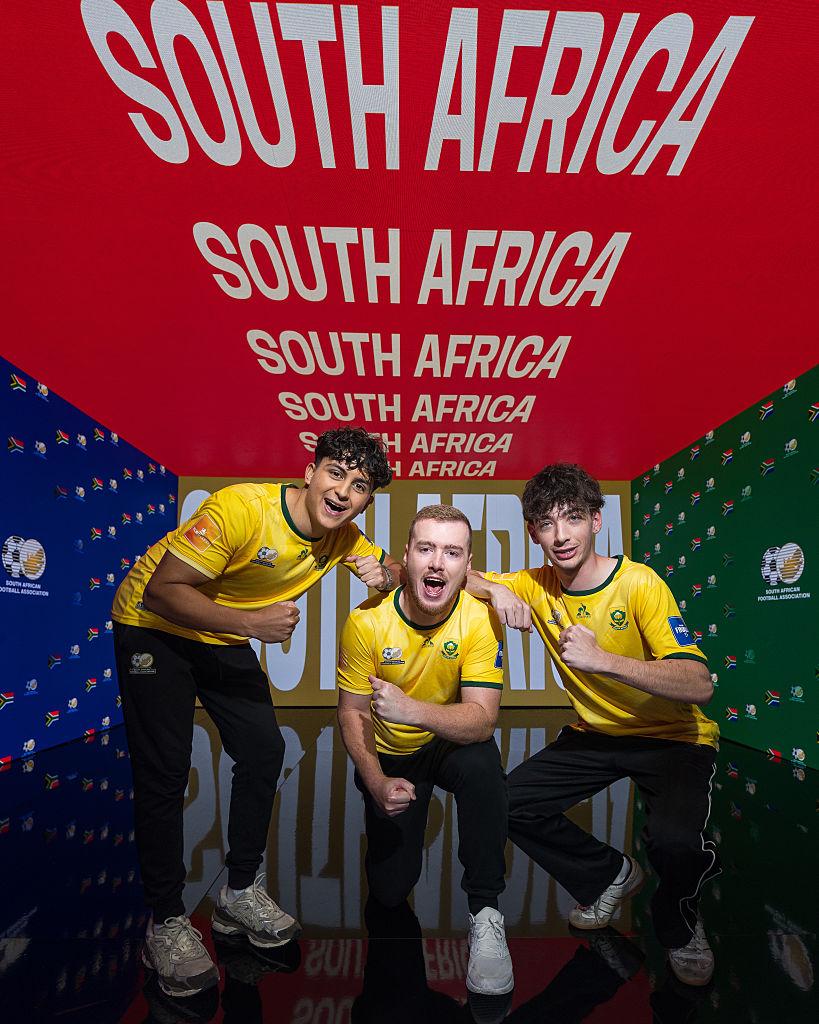
“South Africa’s Rocket League national team had qualified for the FIFAe World Cup 2026 after finishing second at the African Continental Championship, but the postponement of the FIFAe Finals disrupted its planned international campaign. FIFA and the Saudi Esports Federation postponed the event scheduled for 16–25 October, citing regional developments and their impact on the arrangements required to host the competition safely.”
FIFAe Finals Postponement Disrupts South Africa’s Rocket League World Championship Campaign
South Africa’s competitive gaming community has faced an unexpected change to one of its most significant international esports opportunities of 2026 after the FIFAe Finals were postponed. The decision affected the planned FIFAe World Cup competitions in Jeddah, Saudi Arabia, including the Rocket League tournament for which South Africa had successfully qualified. The postponement transformed what was expected to be a major international showcase into a period of uncertainty for national teams, players, coaches and supporters.
The development is particularly significant for South Africa because the country had earned its place through competitive results rather than receiving an automatic invitation. Its Rocket League representatives had progressed through the African qualification pathway, demonstrating that South African players could compete for continental honours and secure a place among the international contenders. The postponement means that this achievement must now be considered alongside unanswered questions about when the competition will resume and how the revised arrangements will affect participating nations.
FIFA postpones the international competition
The FIFAe Finals 2026 were originally scheduled to take place in Jeddah between 16 and 25 October. The programme included competitions in Rocket League, eFootball Console and eFootball Mobile, bringing together national representatives who had advanced through the international qualification process.
However, FIFA and the Saudi Esports Federation subsequently announced that the finals would be postponed following an assessment of regional developments and their implications for the logistical arrangements required to stage the event. Reuters reported on 15 October that security concerns had contributed to the uncertainty surrounding the tournament, with some national associations withdrawing their teams before the postponement was announced.
The announcement changed the immediate outlook for players who had spent months preparing for the finals. National esports teams typically build their schedules around confirmed tournament dates, coordinating practice sessions, coaching, travel, accommodation and competition preparation. When an international event is postponed close to its scheduled start, those plans may need to be reconsidered.
For South Africa, the central issue is therefore no longer simply how the team might perform against the world’s strongest opponents. The immediate priority is obtaining reliable information about the competition’s future and understanding what the postponement means for its qualification.
The official FIFAe website lists the finals as postponed. Until the organisers publish confirmed replacement arrangements, it would be premature to suggest a new tournament date, declare the competition cancelled permanently or claim that South Africa has lost its qualification place.
South Africa earned its place through African competition
South Africa’s qualification represented a substantial achievement in its own right. The country competed at the FIFAe Continental Championship 2026 Africa, where national teams battled for the limited places available at the international finals.
According to reporting by Sheep Esports, Morocco defeated South Africa 4–2 in the continental grand final. Both countries nevertheless secured qualification for the FIFAe World Cup, giving Africa two representatives in the Rocket League competition. South Africa’s route included an unbeaten group-stage campaign apart from a draw against Morocco, followed by a 4–0 semi-final victory over Tunisia.
These results demonstrated the competitive strength of the South African roster. Qualification was not merely a symbolic achievement; it followed performances against other national teams in a structured tournament.
The three named players were David “2Die4” Morgenrood, Gareth “Snowyy” Spiers and Brayden “gunz” Keith. Nicholas “cpZebra” Fourie was identified as the team’s coach in South African esports coverage. The roster brought together players with experience in the regional competitive Rocket League environment.
Their qualification offered an opportunity to represent South Africa on a global stage and measure their performance against national teams from other regions. It also provided a visible example of the pathway connecting local competitive gaming with international esports.
For players and supporters, that pathway matters because international opportunities can help establish the credibility of South African esports. Strong performances can attract attention from fans, prospective sponsors, tournament organisers and aspiring players looking for a route into competitive gaming.
The postponement does not erase the results that earned the team its place. Nevertheless, the practical value of that qualification will depend partly on the organisers’ next decisions.
Why Rocket League matters to esports
Rocket League combines football-inspired objectives with vehicle-based gameplay. Players control rocket-powered cars, using movement, aerial manoeuvres, positioning and teamwork to send a large ball into the opposing team’s goal.
Although the rules are relatively easy for new viewers to understand, high-level competition requires considerable technical ability. Successful teams must coordinate attacks, maintain defensive coverage, manage boost resources and recognise when to challenge an opponent or retreat into a supporting position.
At national level, these requirements become even more demanding. Teams face opponents with different tactical preferences, communication habits and competitive experience. Players must adapt quickly while maintaining consistency under pressure.
South Africa’s qualification therefore demonstrated an ability to navigate a demanding international pathway. The planned finals would have offered the team an opportunity to test that ability against a broader field of opponents.
The postponement has interrupted the expected timetable, but it has not changed the underlying competitive challenge. If and when the event is rescheduled, preparation will remain essential, particularly if the new dates require changes to training plans or other commitments.
Security concerns and the wider sporting environment
The postponement also highlights how international esports events depend on circumstances beyond the control of individual players. Although matches take place in virtual arenas, major tournaments still require physical venues, travel arrangements, technical infrastructure, production teams and coordination between national associations.
Reuters reported that regional security developments affected the arrangements for the FIFAe Finals. Its coverage described withdrawals by national teams amid concerns about the situation in Saudi Arabia, followed by the organisers’ decision to postpone the event.
Such developments can create uncertainty for everyone involved. Players may need to adjust training schedules, while coaches and national associations must communicate with organisers and determine how to manage their teams’ commitments.
For supporters, postponement can also create confusion about schedules, broadcasts and whether matches will take place as initially advertised. Official announcements become especially important when information is changing quickly.
In these circumstances, the responsible approach is to distinguish confirmed decisions from speculation. The tournament’s postponement is documented, but the final timetable and any revised participation arrangements should be taken from official updates rather than unverified social media claims.
Implications for South African esports development
The situation carries broader lessons for South Africa’s esports ecosystem. National teams need more than talented players to succeed internationally. They also depend on effective administration, reliable communication, structured coaching and planning that can accommodate unexpected changes.
Qualification campaigns can require months of competition and preparation. Players must balance practice with education, employment or other responsibilities, while coaches coordinate strategies and help individuals work effectively as a team.
National representation also has potential value beyond a single tournament. It can encourage younger gamers to pursue structured competition, introduce new audiences to esports and demonstrate that local talent can progress through recognised international pathways.
South Africa’s participation in the African Continental Championship and its subsequent qualification for the FIFAe World Cup provided an example of that progression. The postponement makes the next administrative steps particularly important.
Organisers will need to communicate any replacement dates, eligibility requirements and qualification arrangements clearly. South African representatives will then need to evaluate those details and prepare accordingly.
There is also a potential lesson for sponsors and esports partners. Competitive gaming events rely on dependable schedules to support marketing commitments, audience development and player preparation. Clear contingency communication helps protect confidence in the competition, even when external circumstances force a change.
What happens next?
As of 25 October 2026, the official FIFAe Finals page identifies the event as postponed. The original competition window has passed, but that fact should not be interpreted as proof that the finals have been permanently cancelled or that South Africa’s place has been withdrawn.
The next meaningful development will be an official announcement explaining the future of the competition. South African supporters should look for updates from FIFAe, the South African Football Association and recognised esports news outlets.
The team will also need clarity about whether its original qualification remains valid and what preparations may be required if a new date is announced. Until the organisers provide that information, specific claims about the team’s next match, revised schedule or eventual finishing position would be premature.
For now, the most important facts are clear: South Africa qualified through the African competition, the FIFAe Finals were postponed, and the future arrangements require official confirmation.
Conclusion
The postponement of the FIFAe Finals has disrupted South Africa’s planned Rocket League World Championship campaign at a critical moment in the international esports calendar. The national team earned its opportunity through competitive performances in Africa, but the event’s future schedule remains dependent on decisions by the organisers.
For South African esports, the episode demonstrates both the progress local players have made and the importance of dependable international competition structures. Qualification provides recognition and opportunity, but players also need clear communication and workable schedules to turn that achievement into an appearance on the world stage.
South Africa’s qualification remains an important sporting milestone. The next chapter will depend on the official response from FIFAe and the arrangements eventually established for the postponed finals.
The importance of continued player development
While the international schedule remains uncertain, South African players can continue developing the skills required for high-level competition. Structured practice, reviewing previous matches and strengthening communication are valuable regardless of when the next international opportunity arrives.
Rocket League is particularly demanding because a team’s performance depends on how well its players combine individual mechanics with collective decision-making. An effective attack requires players to recognise opportunities, support teammates and avoid leaving their defence exposed. Similarly, defending successfully requires anticipation, disciplined positioning and the ability to recover quickly after losing possession.
These areas provide useful preparation opportunities while the organisers determine the next steps. However, any specific training arrangements or commitments by the South African roster should be confirmed by the team rather than assumed.
South African esports organisations can also use this period to encourage participation at grassroots level. School competitions, community tournaments and accessible online events help aspiring players gain experience and discover the standards required for more advanced competition.
The postponement is an interruption, but it does not diminish the achievement of qualifying for an international championship. For South Africa’s Rocket League community, the priority is to preserve that momentum, support the players and await clear information about the tournament’s future.



