




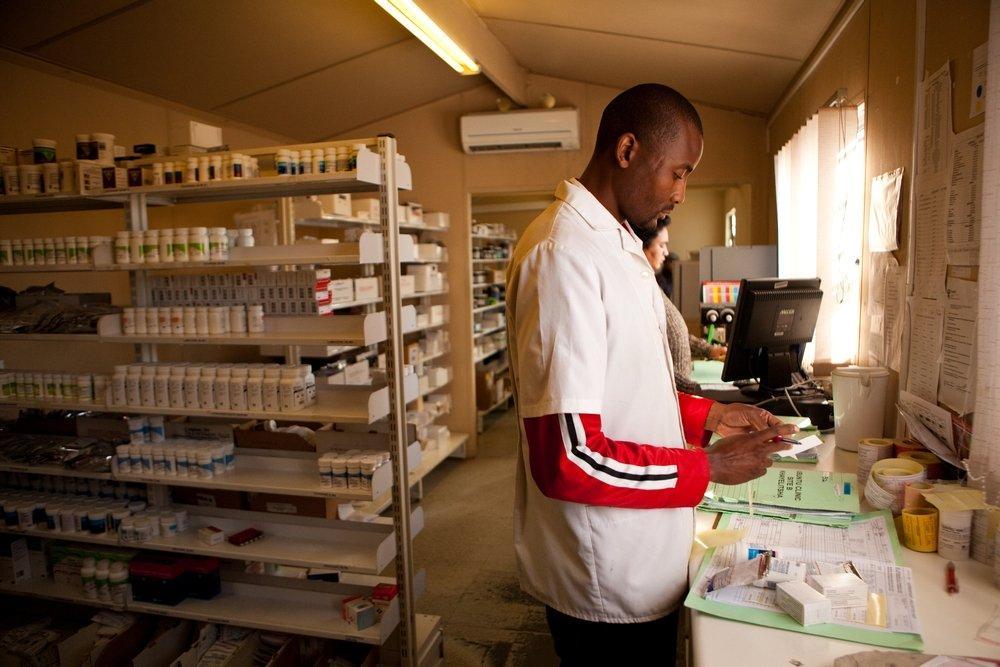
“The Gauteng Department of Health has acknowledged continuing medicine supply challenges at public healthcare facilities, with shortages linked to supplier delays, procurement lead times, changes in medicine contracts and wider pharmaceutical supply-chain pressures. Officials say measures including distributing available stock between facilities, using approved alternative medicines and working with suppliers are being implemented to reduce treatment interruptions, particularly for patients dependent on chronic medication.”
Gauteng medicine shortages put pressure on public healthcare
The availability of essential medicines has become one of the most important health concerns in Gauteng, after the provincial Department of Health acknowledged ongoing supply challenges affecting public hospitals and clinics. The development is particularly significant for patients who depend on medicines every day to control chronic conditions, prevent complications and maintain their quality of life.
A report published by Sowetan on 8 October 2026 says Gauteng health authorities are responding to medicine shortages by attempting to minimise treatment interruptions and distribute available supplies as fairly as possible. The department says shortages are being monitored across healthcare facilities and that several factors are contributing to the problem, including supplier delays, changes in medicine contracts, procurement lead times, supplier participation and broader pharmaceutical supply-chain pressures.
The issue is not limited to one individual hospital or one particular medicine. Recent reporting has indicated that shortages are affecting different categories of medicines, while some patients have reported difficulty obtaining chronic medication. The Citizen reported on 7 October that patients had raised concerns about shortages involving epilepsy, blood-clotting and mental-health medicines, although the Gauteng department did not publicly specify the full list of medicines affected or the number of patients experiencing shortages.
The distinction between a particular product being unavailable and an entire treatment being unavailable is important. Gauteng health spokesperson Steve Mabona said patients may sometimes receive a different brand, manufacturer or pack size while still receiving the same active ingredient, strength and therapeutic benefit. Where appropriate, healthcare facilities can also use clinically approved therapeutic alternatives under established treatment guidelines.
Why medicine availability matters
Medicine availability is fundamental to the functioning of any healthcare system. For patients with epilepsy, hypertension, diabetes, cardiovascular disease, mental-health conditions, HIV, tuberculosis and other chronic illnesses, treatment cannot simply stop whenever a particular product becomes difficult to obtain.
Interruptions can have consequences ranging from worsening symptoms to emergency hospitalisation. In some cases, inconsistent access can also make it more difficult for healthcare workers to maintain stable treatment plans.
This makes supply-chain management just as important as the clinical decision about which medicine a patient should receive. Medicines have to be forecast, purchased, manufactured, transported, stored and distributed before reaching a clinic or hospital pharmacy.
South Africa’s National Department of Health already operates mechanisms designed to manage shortages. Its medicine-availability system includes a “Hot List” for essential medicines where stock availability falls below defined thresholds, while the department’s Contract Management Unit works with manufacturers, suppliers and provinces to address shortages.
The national department’s published information also shows that alternative sourcing and redistribution can be used when contracted suppliers cannot provide sufficient quantities. This demonstrates that medicine shortages can result from several points of failure rather than from a single problem inside a hospital pharmacy.
Supply-chain pressures remain a major concern
Gauteng’s latest explanation points directly to pharmaceutical supply-chain pressures. Supplier delays can occur when manufacturers experience production problems, raw-material constraints, transportation difficulties or unexpected demand. Procurement can also become complicated when contracts change or when suppliers cannot meet the quantities required by the public health system.
The national medicine system has also faced shortages affecting specific products throughout 2026. The National Department of Health’s Essential Drugs Programme has issued several circulars dealing with supply constraints and recommended therapeutic alternatives, including updates concerning medicines such as phenobarbital, lorazepam, zidovudine, rifabutin and other essential medicines.
These developments underline the importance of having contingency plans. When a particular medicine becomes unavailable, health authorities need to identify whether another approved manufacturer can supply the same product, whether stock can be moved from another facility or whether an alternative treatment is clinically appropriate.
Gauteng says it is using several of these approaches. Available stock can be rotated between facilities and, where necessary, across districts. Facilities and districts can also engage suppliers to accelerate outstanding orders.
Patients may see different medicine packaging
One issue that can create confusion is the appearance of medicines. Patients who normally receive a familiar box, tablet colour or manufacturer may become concerned when their medicine suddenly looks different.
The National Department of Health previously explained that an approved medicine can change appearance, packaging or manufacturer without changing its active ingredient, strength or therapeutic benefit. Where multiple approved suppliers are available, public facilities can receive products from different manufacturers.
Therefore, patients should not automatically assume that a different-looking medicine is unsafe or incorrect. However, they should always ask a pharmacist, doctor or nurse to confirm what they have received, particularly when the packaging or appearance has changed.
This is especially important for people taking multiple medicines, elderly patients and those managing complex chronic conditions.
Local pharmaceutical production could strengthen medicine security
The immediate Gauteng shortages also highlight a broader national debate about South Africa’s dependence on international pharmaceutical supply chains.
On 7 October, the CSIR launched its FuturePHARMA facility in Tshwane, with the aim of strengthening the country’s ability to take scientific discoveries through development, testing and manufacturing. The initiative is intended to help build local pharmaceutical capacity and reduce vulnerabilities associated with imported pharmaceutical inputs.
South Africa currently depends heavily on imported active pharmaceutical ingredients. SAnews reported that about 98% of the active pharmaceutical ingredients used to manufacture medicines locally are imported. Such dependence can expose manufacturers and the healthcare system to international disruptions, currency fluctuations and changes in global supply.
The World Health Organisation has consequently urged South Africa to strengthen its ability to convert scientific research into safe, effective and affordable medicines. Greater local manufacturing capacity could ultimately contribute to supply security, although building pharmaceutical production capacity is a long-term process rather than an immediate solution to current shortages.
What the situation means for patients
For patients, the immediate priority is continuity of treatment. Anyone who arrives at a public facility and discovers that a usual medicine is unavailable should speak to a healthcare professional rather than stopping treatment independently.
A pharmacist or clinician can determine whether another approved manufacturer supplies the same medicine, whether a different pack size is available or whether an alternative treatment is appropriate. Gauteng’s department says these alternatives are managed through its Medicine Availability and Escalation Protocol and relevant treatment guidelines.
Patients should also avoid buying prescription medicines from unverified sources simply because their normal public-sector supply is unavailable. Counterfeit, incorrectly stored or inappropriate medicines can create additional health risks.
Ultimately, Gauteng’s medicine-supply challenge illustrates how closely patient care depends on procurement, manufacturing, logistics and financial management. A doctor may prescribe an effective medicine, but that treatment only works if the medicine reaches the patient at the right time.
The provincial department says it is working with the national Department of Health, suppliers, districts and healthcare facilities to improve availability. Its measures include redistributing existing stock, expediting supplier orders and using clinically appropriate alternatives where necessary.
For South Africa, however, the longer-term solution will require more than emergency redistribution. Stronger procurement systems, reliable supplier contracts, better forecasting, improved financial management, greater transparency and increased domestic pharmaceutical manufacturing will all be important.
The current Gauteng shortages therefore represent both an immediate patient-care challenge and a wider warning about medicine security. Ensuring that essential medicines remain available should remain a central priority for South Africa’s health system, particularly for vulnerable patients whose health depends on uninterrupted treatment.



