




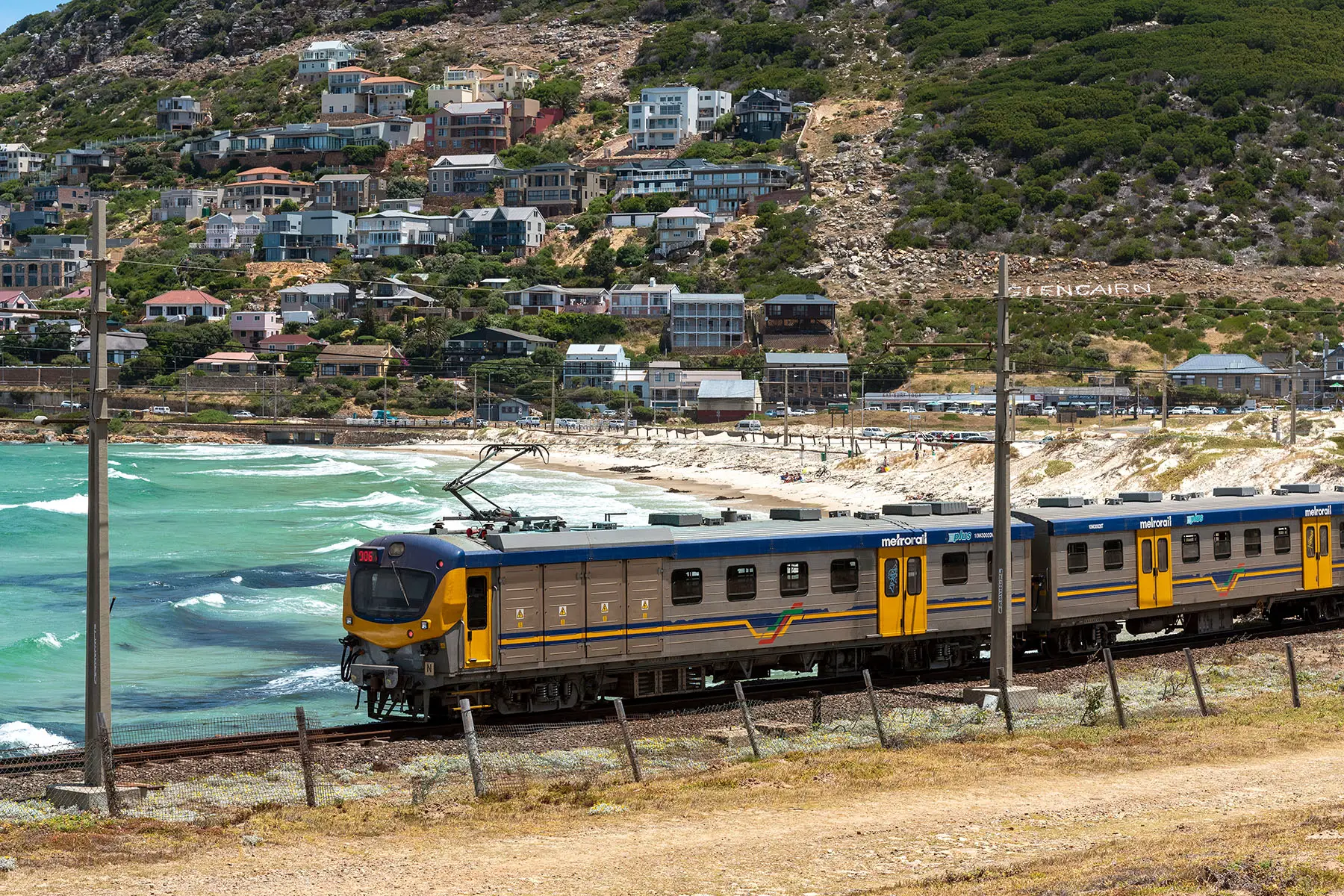
“The Department of Transport has inaugurated a new LNG terminal at the Port of Ngqura, marking a major step toward cleaner energy and modernized logistics in South Africa. The project is expected to reduce reliance on coal, improve freight efficiency, and strengthen the country’s role in global maritime trade.”
On June 25, 2026, South Africa’s transport and travel sector witnessed a transformative milestone with the official launch of a Liquefied Natural Gas (LNG) terminal at the Port of Ngqura. Spearheaded by Minister Barbara Creecy, this initiative is not only a transport infrastructure upgrade but also a strategic pivot toward sustainable energy and economic resilience. The LNG terminal is expected to serve as a hub for cleaner fuel distribution, maritime logistics, and regional trade, positioning South Africa as a leader in green transport innovation.
Background and Context
South Africa’s transport system has long been challenged by reliance on coal and petroleum-based fuels. With increasing global pressure to decarbonize, the government has prioritized LNG as a transitional energy source. LNG offers lower emissions compared to coal and oil, making it a viable option for powering ships, trucks, and even rail systems. The Port of Ngqura, located near Gqeberha in the Eastern Cape, was chosen due to its strategic location and existing maritime infrastructure.
Strategic Importance
- Energy Security: LNG imports diversify South Africa’s energy mix, reducing dependence on coal.
- Economic Growth: The terminal is expected to attract foreign investment and create jobs in logistics, engineering, and energy sectors.
- Travel and Transport Efficiency: LNG-powered ships and trucks will lower costs and emissions, improving both freight and passenger travel.
- Regional Integration: The terminal strengthens South Africa’s role as a gateway for Southern African trade routes.
Impact on Travel and Transport
The LNG terminal is directly tied to the travel sector in several ways:
- Maritime Transport: LNG-powered vessels will dock at Ngqura, reducing emissions from shipping.
- Road Freight: Trucking companies are expected to adopt LNG-powered fleets, cutting transport costs and pollution.
- Rail Transport: Future plans include LNG-powered locomotives, which could revolutionize long-distance passenger and freight travel.
- Tourism: Cleaner transport systems enhance South Africa’s appeal as a sustainable travel destination.
Government Vision
At the launch, President Cyril Ramaphosa emphasized that transport is “the heartbeat of economic growth and social development.” The LNG terminal aligns with the National Rail Master Plan and broader transport modernization strategies.
Challenges and Risks
- Infrastructure Costs: LNG terminals require significant investment in storage, pipelines, and distribution.
- Global Market Volatility: LNG prices fluctuate, which could affect affordability.
- Transition Period: While LNG is cleaner than coal, it is still a fossil fuel, raising questions about long-term sustainability.
- Community Concerns: Local communities near Ngqura have raised concerns about environmental impacts and land use.
Expert Perspectives
Transport economists argue that LNG is a pragmatic step toward decarbonization, while environmental activists caution that renewable energy should remain the ultimate goal. Shipping companies, however, welcome the move, citing lower operational costs and compliance with international emissions standards.
Future Outlook
The LNG terminal is expected to be fully operational by late 2027, with phased integration into road, rail, and maritime transport systems. The government has also hinted at partnerships with private logistics firms to accelerate adoption. If successful, South Africa could become a regional hub for LNG distribution, serving neighboring countries such as Namibia, Botswana, and Mozambique.
Conclusion
The launch of the LNG terminal at the Port of Ngqura represents a turning point for South Africa’s transport and travel industries. By embracing LNG, the country is not only modernizing its logistics infrastructure but also signaling its commitment to sustainable growth. While challenges remain, the project sets the stage for a cleaner, more efficient, and globally competitive transport system.



