




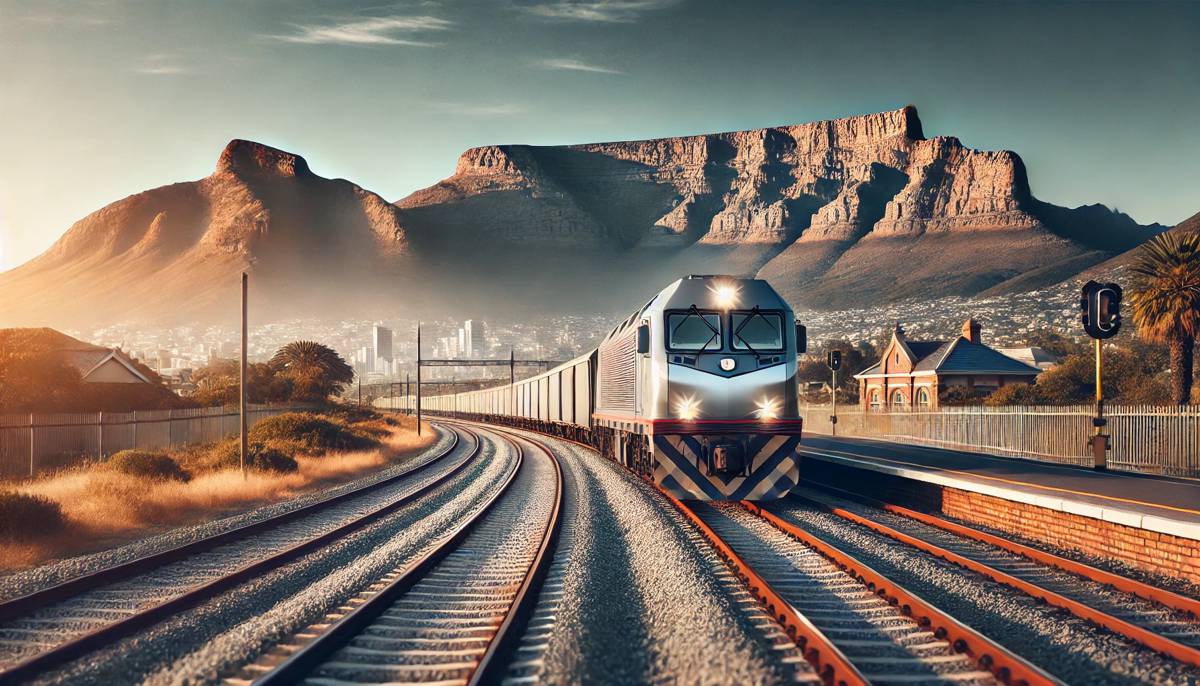
“The Department of Transport has inaugurated a new LNG terminal at the Port of Ngqura, marking a major step in modernizing South Africa’s freight and maritime infrastructure. This project is expected to boost energy security, reduce transport costs, and position South Africa as a regional hub for sustainable logistics.”
On July 2, 2026, South Africa’s transport sector witnessed a milestone with the official launch of a Liquefied Natural Gas (LNG) terminal at the Port of Ngqura. The initiative, spearheaded by Minister Barbara Creecy, represents a strategic investment in energy diversification, freight efficiency, and maritime competitiveness. It aligns with the government’s broader vision of positioning transport as the “heartbeat of economic growth and social development.”
Background and Strategic Importance
The Port of Ngqura, located near Gqeberha in the Eastern Cape, has long been recognized as a critical node in South Africa’s maritime network. Traditionally handling containerized cargo, bulk commodities, and automotive exports, the port now adds LNG infrastructure to its portfolio. This development is significant because:
- Energy diversification: LNG provides a cleaner alternative to coal and oil, reducing carbon emissions in line with South Africa’s climate commitments.
- Freight modernization: LNG-powered ships and trucks promise lower operating costs and improved efficiency.
- Regional hub potential: The terminal positions South Africa as a supplier and distributor of LNG to neighboring countries, enhancing regional trade integration.
Economic Impact
The LNG terminal is expected to generate thousands of jobs during construction and operation phases. It will also stimulate local industries, particularly in logistics, engineering, and energy. Analysts project that the facility could reduce freight costs by up to 15%, making South African exports more competitive globally.
Environmental Benefits
South Africa’s transport sector has faced criticism for its reliance on fossil fuels. LNG offers a lower-carbon alternative, cutting greenhouse gas emissions by approximately 25% compared to diesel. The terminal’s design incorporates state-of-the-art safety and environmental safeguards, ensuring compliance with international maritime standards.
Government Vision
At the National Transport Conference, President Cyril Ramaphosa emphasized that infrastructure projects like Ngqura’s LNG terminal are central to South Africa’s economic recovery plan. The government’s Draft National Rail Master Plan and road modernization projects complement this maritime investment, creating an integrated transport ecosystem.
Challenges and Risks
Despite its promise, the LNG terminal faces challenges:
- Global LNG price volatility could affect affordability.
- Community concerns about environmental risks must be addressed through transparent engagement.
- Operational readiness requires skilled labor and advanced technology, which may strain local capacity.
Regional and Global Context
Globally, LNG terminals are becoming standard in major ports. South Africa’s investment aligns with trends in Asia and Europe, where LNG is increasingly used in shipping and heavy transport. Regionally, the Ngqura terminal could supply Botswana, Namibia, and Zimbabwe, strengthening South Africa’s role as a logistics leader.
Conclusion
The launch of the LNG terminal at the Port of Ngqura is more than a transport project — it is a symbol of South Africa’s commitment to sustainable growth, energy security, and regional leadership. By integrating LNG into its transport system, South Africa takes a bold step toward modernizing its economy and reducing its carbon footprint.



