




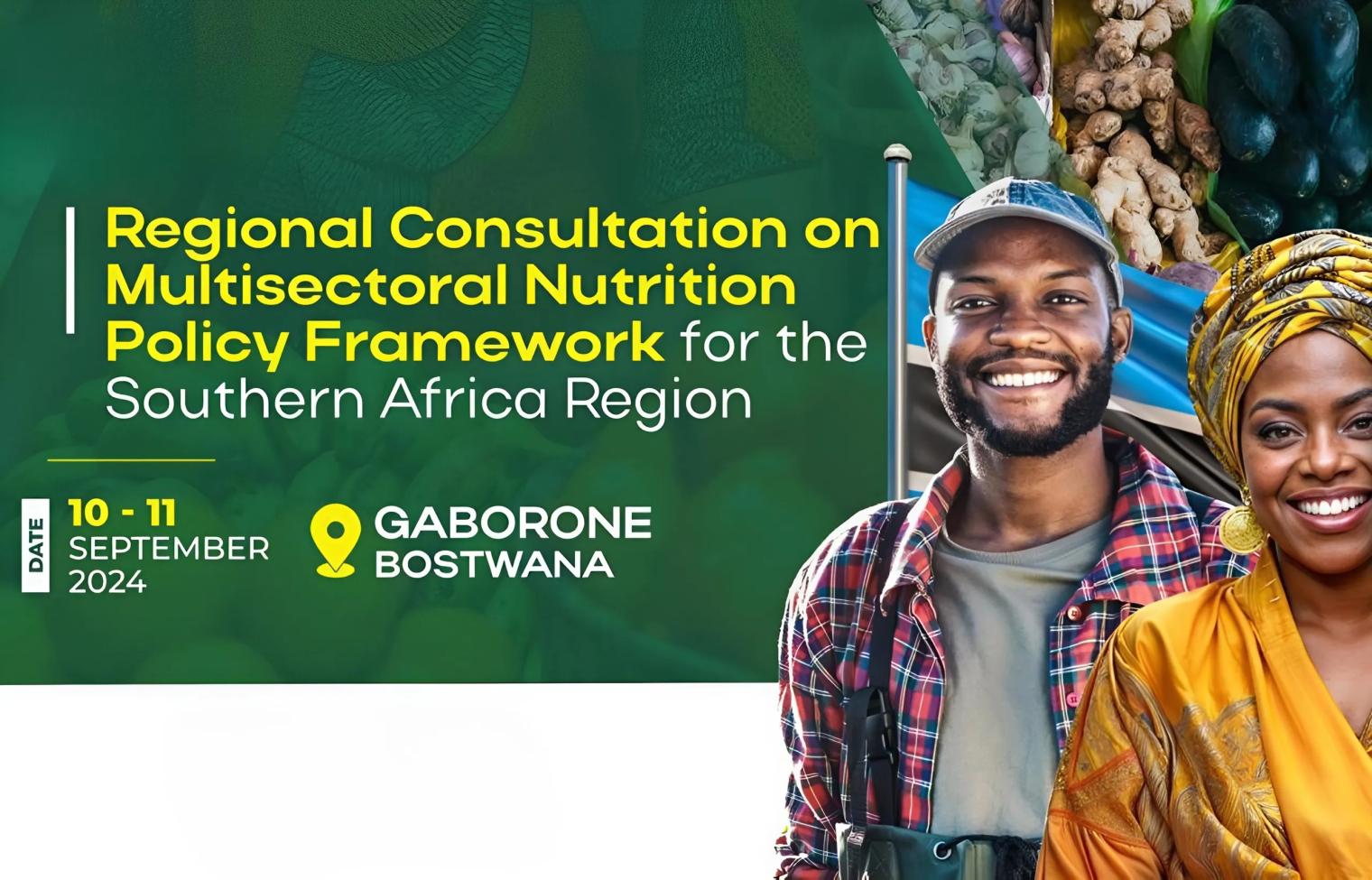
“South Africa has launched a nationwide consultation process to design its National Food and Nutrition Security Plan (2025–2033), bringing together farmers, policymakers, researchers, and civil society. The plan aims to strengthen food systems, improve access to nutritious meals, and address regional disparities in production and supply chains.”
South Africa is entering a decisive phase in its fight against hunger and malnutrition. On September 1, 2026, the Department of Agriculture launched nationwide consultations to shape the National Food and Nutrition Security Plan (2025–2033). This framework is expected to redefine how food is produced, distributed, and consumed, ensuring that every citizen has access to sufficient, safe, and nutritious food.
Why the Plan Matters
- Food insecurity remains widespread: Millions of households struggle to afford balanced meals.
- Nutrition-related diseases are rising: Malnutrition coexists with obesity and diabetes, creating a double burden.
- Agricultural disparities: Provinces differ in climate, water resources, and infrastructure, requiring localized solutions.
The plan seeks to bridge these gaps by coordinating efforts across the food value chain—from farms to markets to households.
Key Objectives
- Strengthen food production systems by supporting farmers with inputs, finance, and infrastructure.
- Improve distribution networks to reduce food loss during storage and transport.
- Enhance affordability and access by stabilizing food prices and expanding community feeding schemes.
- Promote nutrition education to encourage healthier diets and reduce reliance on ultra-processed foods.
Stakeholder Engagement
Consultations will be held in all nine provinces, ensuring that local voices shape national policy. Stakeholders include:
- Farmers and agricultural cooperatives
- Government departments (Health, Agriculture, Education)
- Civil society organizations
- Research institutions and universities
- Food industry representatives
This inclusive approach ensures that the plan reflects real-world challenges and opportunities.
Regional Challenges
- Limpopo & Mpumalanga: Water scarcity affects crop yields.
- Free State: Infrastructure gaps hinder market access.
- Western Cape: Climate change threatens fruit and wine industries.
- KwaZulu-Natal: Flood risks disrupt food supply chains.
By tailoring strategies to each province, the plan aims to build resilience against climate and economic shocks.
Expert Perspectives
- Supportive voices: Nutritionists and public health experts welcome the plan as a long-term solution to hunger.
- Critical voices: Some argue that without addressing economic inequality, households will still struggle to afford healthy food.
Implementation Strategy
- Policy alignment: Integrating agriculture, health, and education policies.
- Community programs: Expanding school feeding schemes and local nutrition campaigns.
- Monitoring & evaluation: Establishing clear metrics to track progress.
Broader Implications
The plan is not just about food—it is about economic development, social equity, and sustainability. By strengthening local food systems, South Africa can reduce dependence on imports, support smallholder farmers, and improve public health outcomes.
Conclusion
The National Food and Nutrition Security Plan (2025–2033) represents a bold step toward a healthier, more resilient South Africa. Its success will depend on collaboration across sectors, sustained investment, and the active participation of communities nationwide.



