




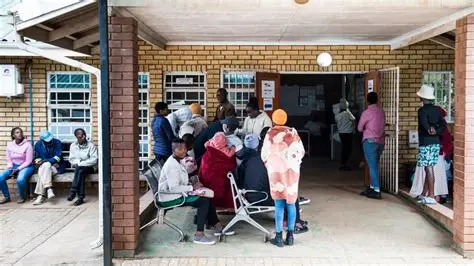
“South Africa’s quiet elimination of mandatory psychiatric nursing training from undergraduate curricula has created a crisis in frontline mental health care. Advocacy groups warn that without urgent policy revision, community clinics will be unable to safely manage psychiatric emergencies, undermining national health goals.”
Mental health care in South Africa faces a looming crisis as a quiet but consequential policy shift has restructured the country’s nursing curriculum. For decades, Regulation 425 ensured that every general nurse graduated with mandatory psychiatric nursing training, equipping them to recognize and manage acute psychiatric conditions in community clinics. The recent decision to reclassify psychiatric nursing as a postgraduate specialization has dismantled this safety net, leaving frontline nurses underprepared.
Historical Context
- Regulation 425: Introduced decades ago, it mandated psychiatric nursing science as part of the core undergraduate curriculum.
- Impact: This ensured that every nurse entering the workforce had hands-on experience in mental health triage, de-escalation, and crisis management.
- Life Esidimeni Tragedy: The systemic vulnerabilities exposed during this tragedy highlighted the importance of psychiatric training in preventing catastrophic outcomes.
The Policy Shift
- New Framework: Psychiatric nursing is now a postgraduate specialization, not a compulsory undergraduate component.
- Consequences: Thousands of new nurses entering community clinics lack the skills to identify or manage psychiatric emergencies.
- Contradiction: This undermines the National Department of Health’s universal health coverage goals, which emphasize primary care expansion.
Advocacy Response
- South African Federation for Mental Health (SAFMH): Launched a campaign demanding the reintroduction of psychiatric training in undergraduate curricula.
- Focus Areas: Workforce advocacy, accountability for commitments in the Mental Health Policy Framework, and systemic reform.
- Union Perspective: The Democratic Nursing Organisation of South Africa (DENOSA) argues that frontline workers cannot be blamed for systemic failures when deprived of essential training.
Current Challenges
- Nursing Shortage: South Africa already faces a shortage of nurses, and the removal of psychiatric training exacerbates the strain.
- Clinic Pressure: Remaining personnel must manage psychiatric crises without adequate preparation.
- Community Impact: Patients with acute psychiatric conditions risk misdiagnosis, delayed treatment, or harmful escalation.
Broader Implications
- Public Health Risk: Without psychiatric training, community clinics may fail to provide safe, holistic care.
- Equity Concerns: Vulnerable populations—especially in rural areas—will be disproportionately affected.
- Policy Contradictions: The government’s emphasis on expanding primary care clashes with the diminished capacity of its workforce.
Expert Opinions
- Thomas Chauke (Sefako Makgatho University): Warned student nurses about the dangers of entering clinics without psychiatric training.
- Mental Health Advocates: Stress that mental health is inseparable from overall health, and neglecting psychiatric training undermines national health objectives.
Path Forward
- Policy Revision: Reintroducing psychiatric nursing into undergraduate curricula is the most urgent solution.
- Capacity Building: Expanding specialized training places to address shortages.
- Systemic Accountability: Holding the Department of Health accountable for aligning workforce training with universal health coverage goals.
Conclusion
South Africa’s mental health system stands at a crossroads. The elimination of psychiatric nursing training from undergraduate curricula has created a dangerous gap in frontline care. Advocacy groups, unions, and experts are united in demanding reform. Without immediate action, the country risks repeating past tragedies and undermining its broader health objectives.



