




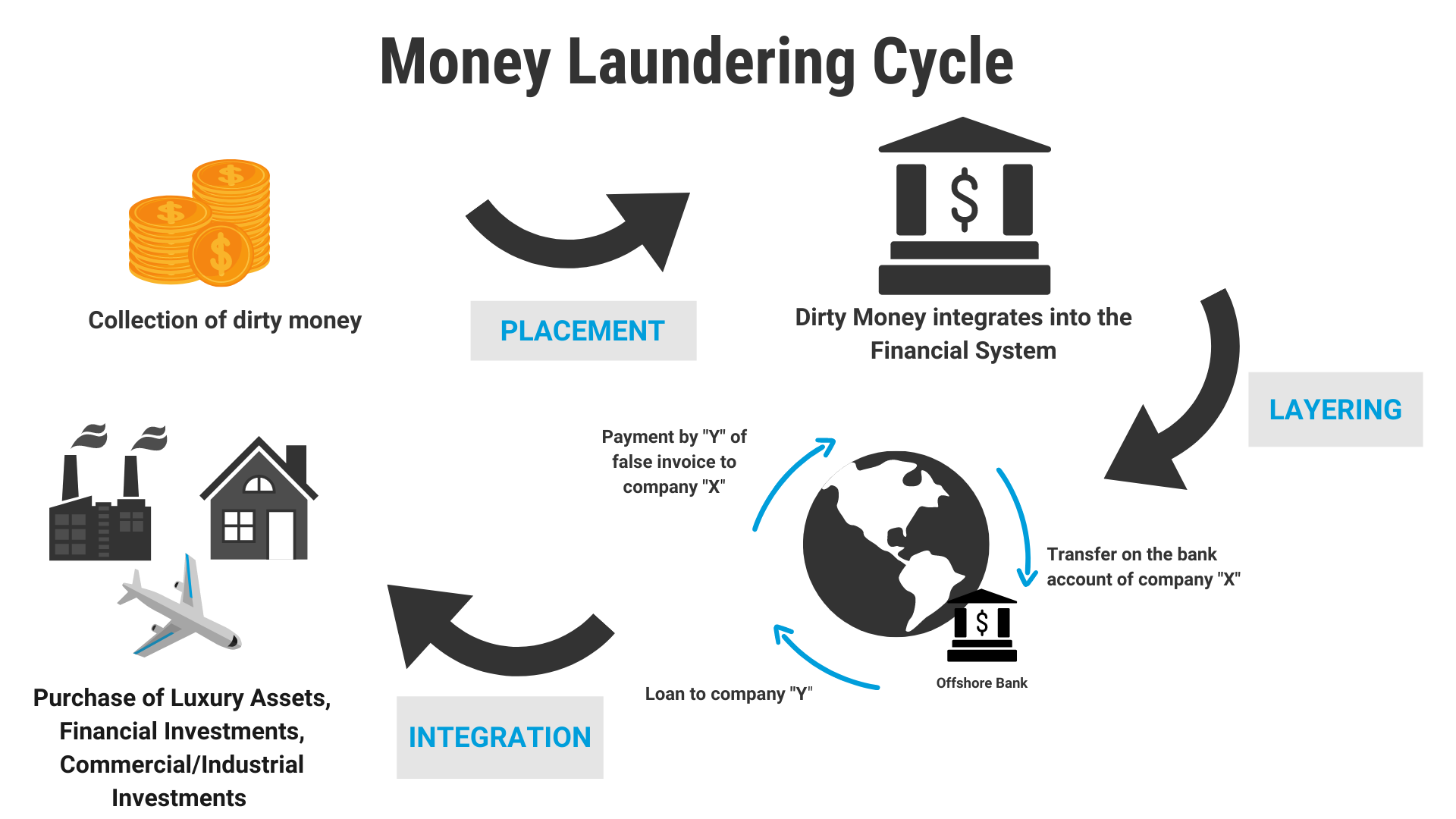
“The South African Reserve Bank has announced stricter regulations on offshore payment transactions to curb money laundering risks. This move signals a decisive policy intervention aimed at strengthening financial integrity and aligning South Africa with global anti-money laundering standards.”
On June 24, 2026, the South African Reserve Bank (SARB) unveiled a sweeping policy initiative targeting money laundering risks in offshore payment transactions. This development marks one of the most significant regulatory interventions in recent years, reflecting growing concerns about illicit financial flows undermining economic stability and investor trust.
Background
South Africa has long grappled with challenges related to financial crime, including illicit capital outflows, tax evasion, and corruption. International watchdogs such as the Financial Action Task Force (FATF) have repeatedly flagged deficiencies in the country’s anti-money laundering (AML) framework. The SARB’s latest crackdown is designed to close loopholes that have allowed suspicious transactions to escape scrutiny.
Key Policy Measures
- Enhanced Due Diligence: Financial institutions must now conduct deeper background checks on clients engaging in offshore payments.
- Transaction Reporting: Banks are required to flag and report all high-value or unusual cross-border transactions.
- Stricter Licensing: Payment service providers must demonstrate compliance with AML standards before receiving approval for offshore operations.
- Penalties: Non-compliance could result in heavy fines, license revocations, or criminal charges.
Implications for Businesses
- Compliance Costs: Corporates engaged in international trade will face higher compliance costs due to stricter reporting and auditing requirements.
- Operational Delays: Offshore payments may take longer to process as banks conduct additional checks.
- Investor Confidence: While burdensome in the short term, the crackdown is expected to boost investor confidence by signaling South Africa’s commitment to financial integrity.
Broader Economic Impact
The SARB’s move comes at a time when South Africa is battling sluggish growth, high inflation, and fiscal pressures. By tightening financial oversight, the central bank aims to safeguard the economy against destabilizing illicit flows. Analysts argue that this could improve South Africa’s standing in global markets, potentially attracting foreign investment.
Stakeholder Reactions
- Business Sector: Mixed reactions have emerged. While some corporates welcome the policy as a step toward transparency, others worry about increased costs and administrative burdens.
- Civil Society: Anti-corruption organizations have praised the SARB’s initiative, calling it a necessary step to restore public trust in financial institutions.
- International Partners: Global financial watchdogs have lauded the move, noting that it aligns South Africa with international AML standards.
Challenges Ahead
Despite its promise, the policy faces several hurdles:
- Capacity Constraints: Many banks and regulators lack the technical capacity to implement enhanced monitoring effectively.
- Resistance from Businesses: Corporates may lobby against the measures, citing competitiveness concerns.
- Global Coordination: Effective enforcement requires cooperation with international regulators and financial institutions.
Conclusion
The SARB’s crackdown on offshore payment transactions represents a landmark moment in South Africa’s business policy landscape. By prioritizing financial integrity, the central bank is not only addressing domestic vulnerabilities but also positioning the country as a credible player in global finance. The success of this initiative will depend on robust enforcement, stakeholder cooperation, and sustained political will.



