




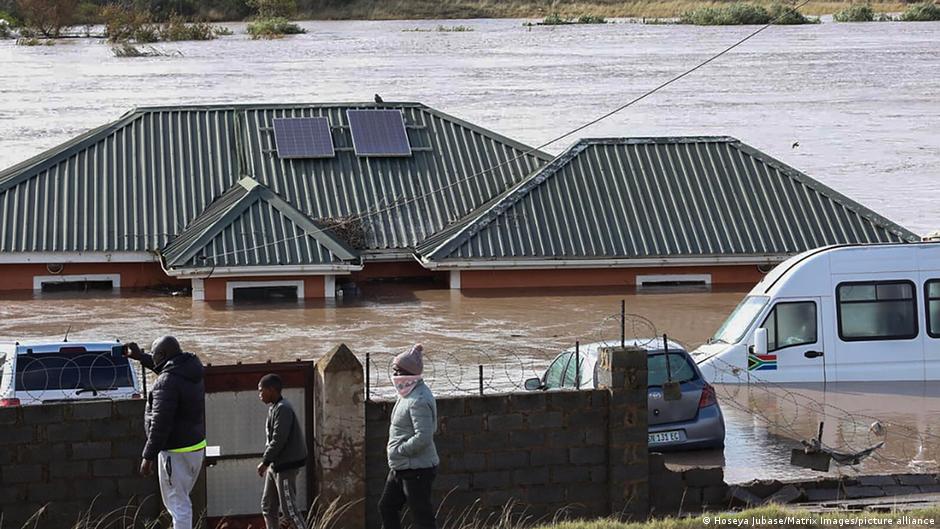
“A powerful winter storm has brought Orange Level 6 snow warnings to the Eastern Cape and Yellow Level 4 marine hazards to KwaZulu-Natal, crippling transport networks and isolating rural communities. Heavy rainfall has triggered flooding in coastal hubs, forcing closures of bridges and regional roads, while aviation and harbor operations face significant delays.”
South Africa is grappling with one of its most severe winter weather events in recent years. On August 13, 2026, a complex storm system combining a cold front and a cut-off low-pressure system swept across the country, leaving transport networks in disarray. The South African Weather Service (SAWS) has issued multiple high-impact warnings, underscoring the gravity of the situation for both domestic and international travelers.
Regional Breakdown
- Eastern Cape (Orange Level 6 Snow Warning): Districts such as Chris Hani, Senqu, Elundini, and Matatiele are experiencing disruptive snowfall. Mountain passes are blocked, visibility is reduced, and rural communities at high elevations face temporary isolation. Transport delays are widespread, with scenic routes and inter-provincial connections severely impacted.
- KwaZulu-Natal (Yellow Level 4 Marine Hazard): Severe winds and rough seas have created dangerous conditions along the coastline. Boat tours, fishing excursions, and harbor operations are disrupted. Flying debris and hazardous shorelines pose risks to both residents and tourists.
- Flooding Zones: Heavy rainfall has triggered localized flooding in Nyandeni, Port St Johns, Ingquza Hill, and Bizana. Bridges and regional roads in low-lying areas are closed, cutting off access to several communities.
Transport Impact
- Road Travel: Major highways and rural routes are blocked by snow and flooding. Mountain passes are impassable, and authorities have urged motorists to avoid unnecessary travel. Emergency services are working to clear routes, but progress is slow due to ongoing precipitation.
- Air Travel: While major international hubs remain operational, regional flights are facing cancellations and delays. Airlines are required to provide refreshments and communication under duty-of-care policies, but rebooking remains a challenge due to widespread disruptions.
- Maritime Transport: Ports in KwaZulu-Natal are experiencing delays, with fishing and tourism operations suspended. Rough seas have made navigation hazardous, and authorities are monitoring conditions closely.
Government Response
President Cyril Ramaphosa has been briefed on the situation, and provincial disaster management teams are coordinating relief efforts. The Department of Transport has deployed emergency crews to clear blocked routes, while the Border Management Authority is monitoring international travel disruptions. The government has urged travelers to remain patient and prioritize safety.
Economic and Tourism Impact
The storm has significant implications for South Africa’s tourism sector. August is typically a busy period for cultural and adventure tourism, but cancellations and delays are expected to affect revenue streams. Local businesses reliant on tourism are bracing for losses, while airlines and hospitality providers face logistical challenges.
Passenger Advisory
Travelers are advised to:
- Check flight status regularly.
- Allow extra travel time for road journeys.
- Avoid mountain passes and flooded areas.
- Follow SAWS updates and heed official warnings.
Long-Term Considerations
This storm highlights vulnerabilities in South Africa’s transport infrastructure. Experts argue for greater investment in climate-resilient systems, including improved drainage, snow-clearing capacity, and digital monitoring tools. The event also underscores the importance of integrating weather forecasting into transport planning.



