




“South Africa is advancing a revised local government policy framework intended to improve municipal financial sustainability, strengthen accountability and address persistent weaknesses in service delivery. The proposed reforms place renewed emphasis on how municipalities are funded, governed and supported, with their effectiveness ultimately depending on implementation, oversight and measurable improvements in residents’ daily lives.”
South Africa Advances Local Government Policy Reforms to Improve Municipal Accountability and Service Delivery
Revised White Paper puts municipal finances, governance and essential services at the centre of reform
JOHANNESBURG, South Africa — 25 October 2026
South Africa is advancing a major local government policy reform agenda aimed at addressing persistent municipal weaknesses, improving financial sustainability and strengthening the delivery of essential public services. The revised White Paper on Local Government has emerged as a significant policy development, with Parliament’s Portfolio Committee on Cooperative Governance and Traditional Affairs welcoming the framework as an opportunity to address structural problems affecting municipalities across the country.
The announcement, reported by Parliament on 23 October 2026, highlights the government’s intention to reconsider how municipalities are structured, financed, governed and supported. These issues are central to the country’s broader governance debate because local authorities are responsible for providing many of the services that directly affect residents, households and businesses.
Municipal reform becomes a national policy priority
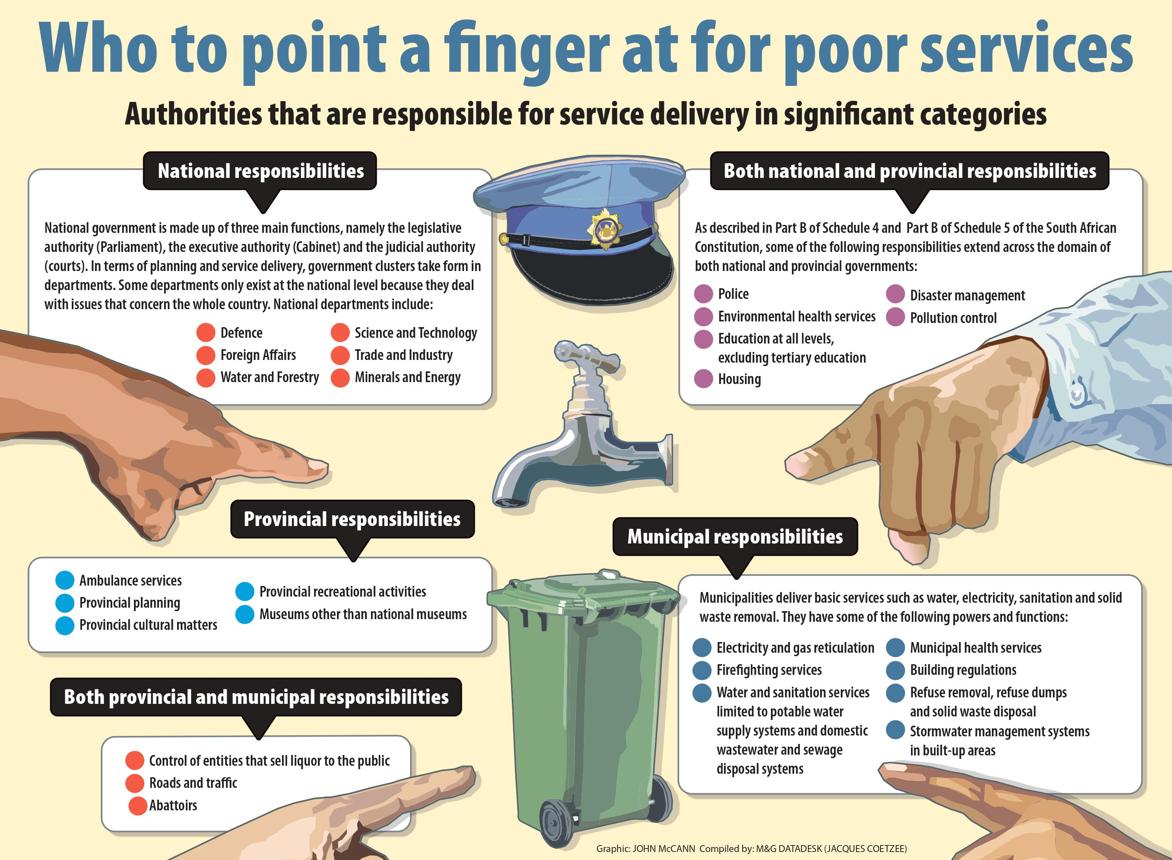
Municipalities occupy a critical position in South Africa’s constitutional system. They are responsible for local services and development functions that influence public health, economic activity, housing conditions and the everyday experience of government.
However, persistent problems involving municipal finances, infrastructure maintenance, administrative capacity and accountability have undermined public confidence in local government. In communities where water supplies are unreliable, electricity infrastructure requires maintenance or refuse collection is inconsistent, residents frequently experience the consequences of weaknesses in municipal administration.
The revised White Paper seeks to address these challenges through a broader policy framework rather than treating every municipal difficulty as an isolated problem. Parliament’s committee has emphasised the gap between the developmental ambitions of local government and the actual services experienced by residents.
This gap is important because adopting a policy does not automatically improve conditions on the ground. Municipalities must have capable officials, reliable financial systems, credible budgets and the institutional resources required to implement decisions effectively.
The reform agenda therefore raises a fundamental question: how can government ensure that municipalities have both the resources and the administrative capacity to meet their constitutional responsibilities?
Rethinking municipal funding and financial sustainability
One of the central issues in local government reform is municipal finance. Local authorities need predictable revenue to maintain infrastructure, pay service providers, employ qualified personnel and deliver basic services.
Where revenue collection is weak or expenditure is poorly controlled, municipalities may struggle to meet these obligations. Financial difficulties can also affect maintenance programmes, leaving infrastructure vulnerable to deterioration and increasing the cost of future repairs.
The revised policy framework seeks to strengthen the financial sustainability of municipalities and reconsider how local government is funded. According to the government’s reporting, a differentiated funding approach is among the proposed reforms.
A differentiated approach could allow policymakers to consider the different circumstances facing municipalities rather than assuming that one administrative or funding model will work equally well everywhere.
Municipalities differ in population size, economic activity, geographical conditions, infrastructure requirements and their ability to generate revenue. Large urban centres face different pressures from smaller rural municipalities, particularly regarding transport networks, population growth, service demand and the maintenance of extensive infrastructure.
Nevertheless, differentiation must be accompanied by transparent criteria. Funding decisions should be understandable, evidence-based and consistent with the objective of improving services. Otherwise, changes to funding arrangements could create uncertainty or perceptions of unfairness.
Financial sustainability also requires municipalities to demonstrate that public money is being used appropriately. Better revenue collection alone cannot solve problems if spending remains inefficient or infrastructure projects are poorly managed.
Strengthening governance and accountability
Governance is another important pillar of the reform programme. Municipal performance depends not only on the amount of money available but also on the quality of leadership, the competence of officials and the effectiveness of oversight mechanisms.
The revised White Paper seeks to strengthen municipal accountability and support institutions capable of responding to community needs. The policy discussion includes the need for stronger governance and merit-based appointments, according to official government reporting.
Merit-based appointments are significant because senior municipal officials influence financial management, procurement, infrastructure planning and the implementation of council decisions.
Recruiting people with the necessary qualifications and experience can help municipalities improve operational performance. However, recruitment standards must be supported by transparent procedures, consistent performance assessments and consequences for misconduct.
Political leaders also have a responsibility to respect administrative processes and ensure that municipal institutions operate in accordance with the law. Public administration becomes less effective when appointments, contracts or operational decisions are influenced by interests that conflict with the public good.
At the same time, accountability should apply to all relevant decision-makers. Councillors, municipal managers, finance officials and service providers should have clearly defined responsibilities, with appropriate oversight and reporting arrangements.
Effective accountability is not simply about identifying wrongdoing after problems arise. It also involves preventing financial mismanagement, detecting failures early and correcting administrative weaknesses before they disrupt services.
Improving basic services for communities
The ultimate test of local government reform will be whether it improves the services residents receive.
Water, sanitation, electricity distribution, waste management and local infrastructure are essential to household welfare and economic development. Businesses depend on reliable municipal services to operate efficiently, while households need safe and dependable infrastructure to maintain acceptable living conditions.
When municipal systems fail, the consequences can extend beyond individual neighbourhoods. Businesses may face higher operating costs, communities may experience public health risks, and investors may become reluctant to establish or expand operations in affected areas.
For this reason, local government reform must connect administrative changes with measurable improvements in service delivery.
Municipalities need accurate records of infrastructure conditions, realistic maintenance plans and systems for responding to service interruptions. They also need to communicate clearly with residents about project timelines, planned disruptions and the steps being taken to resolve complaints.
Performance reporting should distinguish between money allocated, money spent, infrastructure completed and services actually delivered. These measures are related, but they are not interchangeable.
A municipality might spend its allocated infrastructure budget without completing a project on time. Similarly, a newly constructed facility may fail to provide lasting benefits if it is not properly maintained or staffed.
The revised policy framework offers an opportunity to place these practical outcomes at the centre of municipal performance assessments.
Addressing differences between municipalities
South Africa’s municipalities operate in widely differing social and economic environments. Some have substantial commercial activity and established revenue systems, while others face limited economic opportunities, high service needs and shortages of specialist personnel.
Consequently, national policy needs to recognise that municipal challenges cannot always be solved through identical interventions.
Smaller municipalities may need assistance with engineering expertise, financial planning, procurement and infrastructure project management. Larger municipalities may require stronger systems for coordinating complex networks, managing rapid urban growth and maintaining extensive public assets.
The proposed differentiated approach could help policymakers better align support with these circumstances. However, the details of implementation will matter considerably.
A credible system would need clear eligibility requirements, transparent funding formulas and reliable assessments of municipal capacity. It should also avoid allowing persistent administrative failure to become a reason for indefinite dependence without improvement.
Support should strengthen municipal institutions over time. This may include professional training, shared technical services, improved financial systems and closer cooperation between national, provincial and local government.
The goal should be to ensure that residents receive reliable services regardless of where they live, while recognising that different municipalities may require different routes to achieve that standard.
Implementation will determine the success of the reforms
Although the revised White Paper establishes an important policy direction, the next stage will involve translating proposals into practical measures.
This requires coordination between national departments, provincial authorities, municipal councils and administrative leadership. It also requires clear responsibilities, appropriate resources and realistic implementation schedules.
Government will need to communicate which recommendations will be implemented first, what legislative or regulatory changes may be necessary, and how progress will be assessed.
Public participation will remain important because residents, community organisations, businesses and civil society groups can identify service-delivery problems that may not be fully captured by administrative reports.
Consultation can also improve the legitimacy of reform by allowing affected communities to understand proposed changes and contribute their experiences.
However, consultation should lead to visible action. If policy discussions are repeatedly followed by delays without practical improvements, public confidence may weaken further.
Monitoring systems should therefore track outcomes over time. Useful indicators could include the reliability of water and electricity services, the completion of infrastructure projects, the payment of municipal creditors, the accuracy of financial reporting and the resolution of outstanding audit findings.
Such measures would help the public distinguish between policy commitments and demonstrable progress.
Implications for the economy and public confidence
Local government reform has implications beyond municipal administration. Reliable public infrastructure supports investment, employment, local commerce and the delivery of social services.
Businesses require functioning roads, dependable utilities and predictable municipal processes. Where these conditions are absent, operating costs can increase and economic opportunities may be lost.
Improving municipal governance could therefore contribute to a more supportive environment for economic activity, although the scale of any benefit will depend on implementation and wider economic conditions.
Public confidence is equally important. Residents are more likely to trust institutions when they can see that public funds are being managed responsibly and that complaints receive meaningful responses.
Transparent budgeting, accessible performance reports and credible mechanisms for investigating misconduct can help strengthen that relationship.
Nevertheless, reform will require sustained effort. Municipal challenges often develop over many years, and improvements to staffing, financial management and infrastructure cannot always be achieved immediately.
The government will need to balance urgent service-delivery needs with longer-term institutional changes.
Conclusion: From policy commitments to measurable results
South Africa’s revised White Paper on Local Government represents an important opportunity to reconsider how municipalities are funded, governed and supported. Parliament’s positive response reflects the significance of addressing structural weaknesses that have contributed to the gap between local government’s developmental ambitions and residents’ experiences.
The proposed focus on financial sustainability, differentiated funding, stronger accountability and improved institutional capacity could provide a foundation for better municipal performance.
However, the policy’s success will ultimately depend on execution. Municipalities need competent leadership, transparent financial systems, effective oversight and practical support that enables them to fulfil their responsibilities.
Residents will judge the reforms by what changes in their communities: whether water supplies become more dependable, infrastructure is maintained, waste is collected consistently and municipal finances are managed responsibly.
The central challenge is therefore to turn the revised policy framework into measurable improvements in public services. If the reforms are implemented effectively, they could strengthen municipal institutions, support economic activity and rebuild confidence in local government. If implementation falters, the gap between policy promises and everyday experience may persist.
For South Africa, the coming phase of local government reform will be an important test of whether policy commitments can produce tangible results for the people municipalities are meant to serve.



