




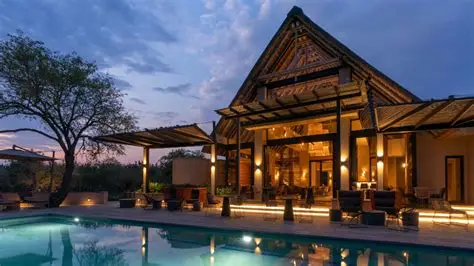
“South Africa’s hospitality industry is witnessing unprecedented demand in August 2026 as seasonal natural events align to attract record visitors. This surge is reshaping the country’s travel narrative, boosting local economies, and strengthening its position as a premier global destination.”
August 2026 has emerged as a landmark month for South Africa’s tourism and hospitality industry. A rare alignment of natural phenomena—the Namaqualand wildflower bloom, the southern right whale migration in Hermanus, and the peak safari season in Kruger National Park—has created a tourism boom that is filling hotels, energizing local economies, and reshaping South Africa’s global travel narrative.
Namaqualand Wildflower Bloom
- Location: Northern Cape
- Season: August–September
- Highlights: Vast carpets of daisies, lilies, and succulents transform arid landscapes into vibrant fields.
- Hospitality Impact: Lodges and guesthouses are reporting near-full occupancy. Eco-tourists and photographers are flocking to capture the ephemeral beauty, with tour operators expanding offerings to include self-drive routes, eco-lodges, and photography workshops. Favorable winter rains have made this year’s bloom particularly vibrant, positioning Namaqualand as a hub for sustainable tourism.
Whale Watching in Hermanus
- Species: Southern right whales
- Peak Season: August–October
- Adventure Appeal: Shore-based whale watching, boat tours, and kayaking excursions.
- Hospitality Impact: Hermanus, globally recognized as one of the best land-based whale-watching destinations, has seen a surge in bookings. Hotels along the coast are reporting record occupancy rates, while restaurants and tour operators benefit from the influx of visitors. Adventure travelers are combining whale watching with shark cage diving in nearby Gansbaai, creating a marine adventure hub that strengthens the hospitality ecosystem.
Safari in Kruger National Park
- Conditions: Dry season, concentrated wildlife at waterholes.
- Appeal: Exceptional predator sightings, impala lambing, and golden hours for photography.
- Hospitality Impact: Safari lodges and camps are reporting full bookings, with international visitors drawn by reduced malaria risk and unparalleled wildlife experiences. Kruger remains South Africa’s flagship safari destination, and August offers some of the best game-viewing conditions of the year.
Economic Impact
According to the Department of Tourism, international arrivals surged by 12.3% in the first half of 2026, with 5.58 million visitors recorded between January and June. This influx is driving significant economic growth across communities, restaurants, and tour operators. Hospitality businesses are reporting record revenues, while local artisans and small-scale entrepreneurs benefit from increased tourist spending.
Hospitality Sector Response
Hotels, lodges, and guesthouses across these destinations have adapted quickly to meet demand:
- Dynamic pricing strategies have been implemented to maximize revenue.
- Eco-lodges and sustainable tourism initiatives are gaining traction, appealing to environmentally conscious travelers.
- Local restaurants and culinary experiences are thriving, with chefs incorporating indigenous ingredients to attract tourists seeking authentic South African flavors.
Challenges and Opportunities
While the boom is positive, challenges remain:
- Infrastructure strain: Roads, airports, and public facilities are under pressure.
- Environmental sustainability: Managing tourist numbers to protect fragile ecosystems is critical.
- Workforce demand: Hospitality businesses are hiring seasonal staff to meet surging demand.
Opportunities include leveraging this momentum to position South Africa as a year-round destination, expanding digital marketing campaigns, and strengthening partnerships between government and private operators.
Conclusion
August 2026 will be remembered as a turning point for South Africa’s hospitality industry. The convergence of natural wonders has not only boosted tourism but also highlighted the resilience and adaptability of the sector. With strategic planning, South Africa can transform this seasonal boom into sustained growth, reinforcing its reputation as one of the world’s most diverse and exciting travel destinations.



