




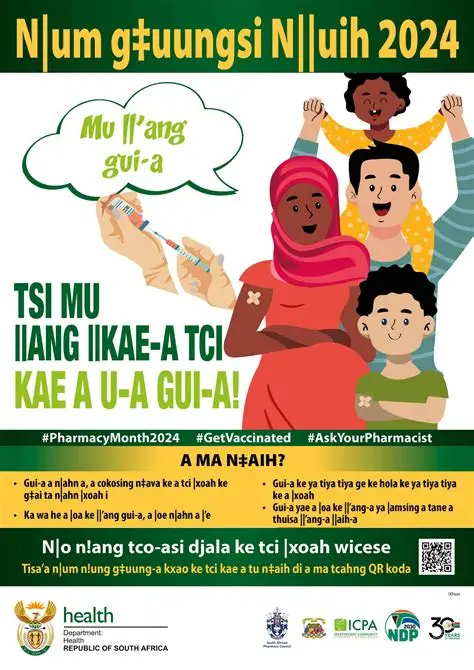
“South Africa has confirmed thousands of measles and rubella cases in 2026, with outbreaks intensifying in provinces like the Western Cape and Free State. Authorities are rolling out mass vaccination campaigns and strengthening surveillance to prevent further spread and protect vulnerable populations.”
South Africa is grappling with a resurgence of measles and rubella, two highly contagious viral diseases that were once close to elimination. The outbreak, which began in late 2025, has escalated significantly in 2026, raising alarms across the public health sector. According to the National Institute for Communicable Diseases (NICD), more than 3,462 laboratory-confirmed measles cases and 398 rubella cases have been reported nationwide by the end of July 2026.
Regional Hotspots
- Western Cape: 171 new measles cases in two weeks.
- Free State: 155 new cases.
- Mpumalanga, Gauteng, and Limpopo: Significant increases reported. Hospitals in these regions are experiencing increased admissions of children with fever-rash illnesses, straining resources and heightening parental anxiety about school safety.
Public Health Risks
- Measles: Can lead to pneumonia, encephalitis, and death.
- Rubella: Mild in most cases but dangerous in pregnancy, potentially causing Congenital Rubella Syndrome (CRS). The outbreak threatens to divert resources from other pressing health challenges such as tuberculosis and HIV, both of which remain major burdens in South Africa.
Government Response
Authorities have launched a multi-pronged strategy:
- Vaccination campaigns targeting children and vulnerable groups.
- Community engagement to counter vaccine hesitancy and misinformation.
- Enhanced surveillance through the Notifiable Medical Conditions Surveillance System (NMCSS).
- Healthcare worker training to improve case detection and reporting.
Challenges
- Vaccine hesitancy driven by misinformation and distrust in health systems.
- Logistical barriers in rural areas hindering vaccine distribution.
- Coverage gaps: WHO recommends 95% coverage for herd immunity, but South Africa is falling short.
International Context
South Africa’s outbreak mirrors global trends:
- Europe & Asia: Similar resurgences due to declining vaccination rates.
- WHO warning: Measles elimination goals are at risk worldwide. This situates South Africa’s crisis within a broader global struggle against vaccine-preventable diseases.
Expert Opinions
- NICD officials stress rapid case detection and reporting.
- Public health experts warn that without stronger community trust, vaccination campaigns will falter.
- Healthcare workers call for more resources to manage rising admissions and laboratory testing demands.
Impact on Healthcare System
- Laboratory capacity: NICD processing thousands of specimens weekly.
- Resource diversion: Outbreak risks pulling attention away from tuberculosis and HIV.
- Public anxiety: Parents increasingly concerned about school safety and child health.
Conclusion
The measles and rubella outbreak in South Africa underscores the fragility of public health systems when vaccination coverage declines. Urgent interventions, including mass immunisation, community engagement, and strengthened surveillance, are critical to reversing the trend. Without decisive action, the outbreak could undermine progress in other health areas and pose long-term risks to child health and maternal safety.



