




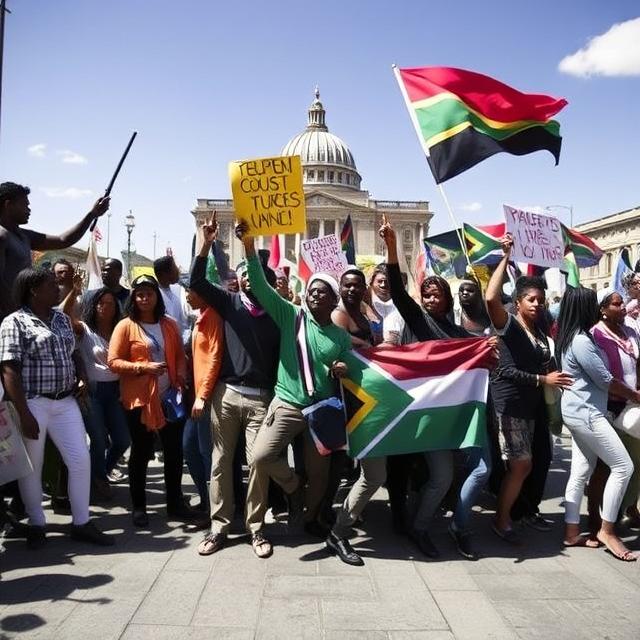
“South Africa faces heightened anxiety as anti-immigrant groups enforce a self-imposed June 30 deadline for undocumented migrants to leave, despite government assurances that the day will proceed normally. Experts warn that xenophobic rhetoric and misinformation could trigger violence, destabilize communities, and undermine public health systems.”
On 30 June 2026, South Africa finds itself at the center of a volatile political and policy debate. Anti-immigrant movements, particularly the March and March group, have declared today as a “deadline” for undocumented migrants to leave the country. While the government has dismissed these claims, civil society, academics, and public health experts warn that the rhetoric surrounding this date could ignite violence and destabilize communities.
Background of the Deadline
The roots of this crisis lie in growing frustration over unemployment, failing public services, and insecurity. Protesters argue that migrants are responsible for these challenges, demanding mass deportations. Yet research shows that foreign nationals hold less than 4% of formal jobs in South Africa, undermining claims that they are the primary cause of economic hardship.
Government Position
The South African government has officially declared 30 June a normal working day, rejecting the notion of a shutdown. President Cyril Ramaphosa has emphasized that immigration enforcement is the responsibility of the state, not vigilante groups. Security forces remain on high alert, but skepticism persists among analysts who fear the situation could spiral out of control, similar to the July 2021 riots.
Migrant Communities in Fear
For migrants, particularly Malawians in Johannesburg, the deadline has become a source of terror. Many have gathered outside consulates, fearing attacks. Reports of stabbings and intimidation highlight the precarious position of foreign nationals, who feel targeted regardless of their legal status.
Expert Warnings
Public health professionals, academics, and civil society groups have issued strong warnings. They argue that xenophobic rhetoric is driven by misinformation and risks destabilizing healthcare systems. Violence and intimidation could prevent migrants from accessing medical services, undermining disease prevention and treatment programs.
Economic and Social Context
South Africa’s unemployment rate remains among the highest globally, with more than 40% of working-age adults unable to find work. This economic crisis has fueled resentment, but experts stress that migrants are not the root cause. Instead, systemic issues such as corruption, inequality, and weak governance drive the country’s challenges.
Civil Society Concerns
Civil society organizations warn that the conditions leading up to 30 June resemble those before the July 2021 unrest, which left over 350 people dead. Analysts highlight the role of social media in amplifying anti-immigrant sentiment, raising questions about funding and organization behind the protests.
Policy Implications
The crisis underscores the need for coherent immigration policy. South Africa must balance enforcement of immigration laws with protection of human rights. Experts argue that scapegoating migrants distracts from addressing structural problems such as unemployment, service delivery failures, and inequality.
Conclusion
As South Africa navigates this tense day, the stakes are high. The government’s ability to maintain order, protect vulnerable communities, and address the root causes of discontent will shape the country’s political trajectory. The June 30 “deadline” is not legally recognized, but its symbolic power has already exposed deep divisions in South African society.



